Travel
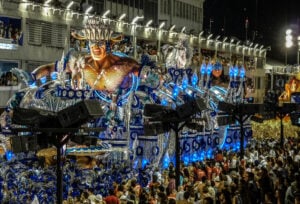
The cultural spectacle of Carnival in Rio de Janeiro
Experiencing the world’s largest carnival during a week of celebration, social unity, parades, colourful fashion and of course, partying
- 1063 words
- 5 minutes
Travel
Beyond Copacabana and Carnival parades, Rio de Janeiro unfolds in neighbourhoods, vistas, and cultural experiences that reveal the city’s true character — and it’s great with kids

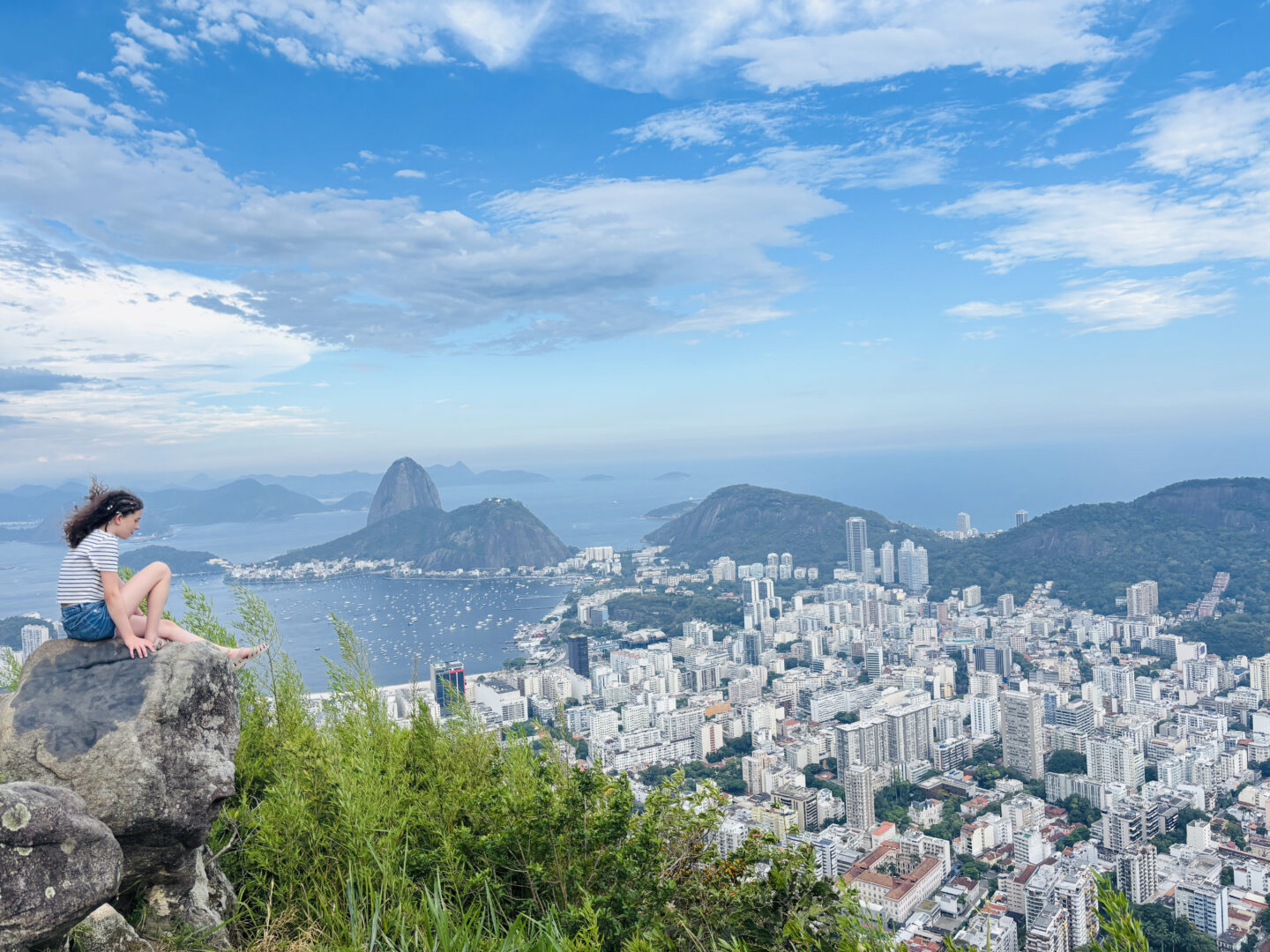
Blessed with mountains, ocean, sandy beaches and dense forests, the planet’s most beautiful cities share a rare, dramatic natural setting. Cape Town is stunning, and Vancouver dazzles, yet Rio de Janeiro is livelier than either. My wife is a carioca (the nickname for Rio locals), and I’ve visited often, staying with my in-laws who live a block away from the famous curved beachfront of Copacabana. Having previously reported on Rio’s world-famous February carnival, it’s time to flip-flop to a different side of the city that visitors of all ages will appreciate.
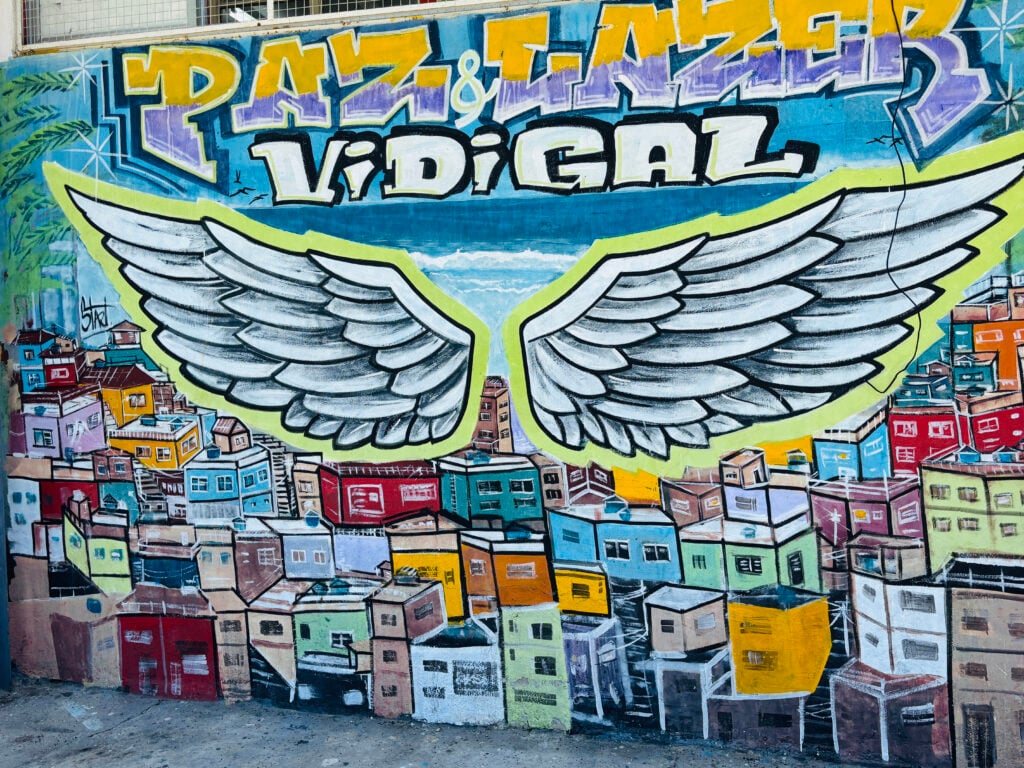
Along with its natural beauty, Rio is also known for its striking favelas — informal settlements built atop one another in the surrounding mountains. Favelas make the news for all the wrong reasons, often linked to drug wars and entrenched poverty. Yet these vibrant communities define Rio as much as the city’s famous beaches, samba festivals, and air-conditioned shopping malls. With the help of Mèrola, a Rio-based travel concierge, we arranged a tour of Vidigal, one of the city’s best-known favelas.
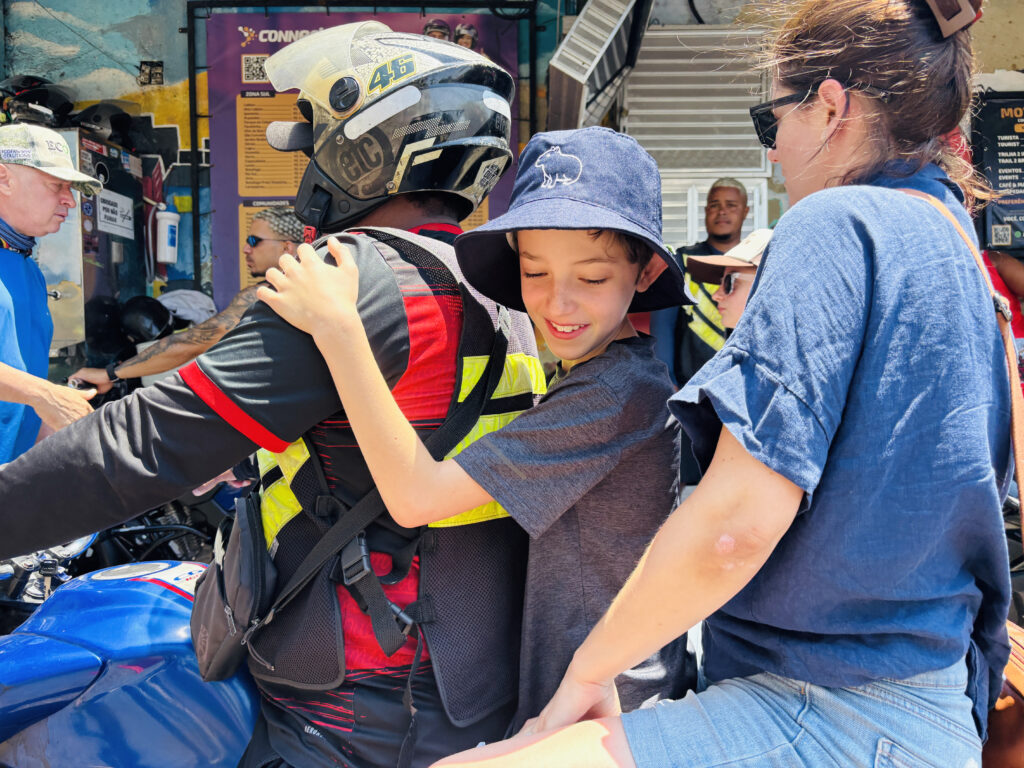
Favela tours are perfectly safe, but they do require a certain amount of trust. Trust that your local guide is well-known and respected within their community, and trust you’ll all survive a moto-taxi thrill ride as you speed along a bumpy, narrow road, high into the hills.
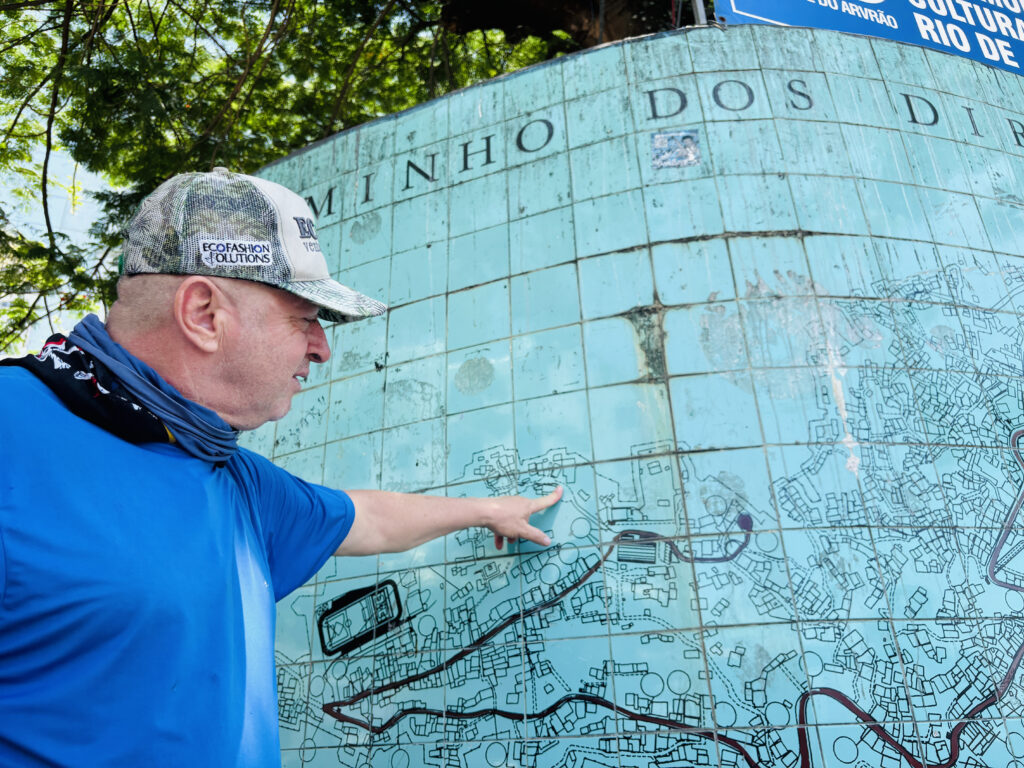
Having driven past Ipanema and the ritzy neighbourhood of Leblon, Mèrola’s driver brakes at the main access point to Vidigal. Greeting us is a guide named Russo, who proudly grew up in Vidigal and continues to call it home. A busy gathering spot for a community of 30,000 people, the intersection is a vibrant scene of motorbikes, kids, dogs, street vendors, and shirtless men enjoying the shade of a leafy tree. Russo orientates us with a map of painted tiles depicting a maze of dwellings and pathways, explaining that the favela was founded in the 1940s and formally recognized as a neighbourhood in 1981.
Ushering us towards the moto taxis, Russo asks if we’d prefer to take a minivan, but where’s the fun in that? After negotiating a fair price with each biker, we hop up, hang on, and shoot off at high speed up a narrow, steep and winding concrete artery. If millions of Brazilians can navigate this wild transportation experience every day, we can certainly handle it for 10 minutes.
We dismount at the top of the hill and find ourselves opposite a school and a football field. Russo points out the small shack nearby where he grew up, and explains that the field was built to protect the community from landslides. We’re at the base of a mountain next to Tijuca National Park, the largest protected urban forest in the world. Vidigal locals still make the trek to collect water from a natural spring, carrying plastic jugs and buckets. We begin our walk past striking graffiti and colourful murals, a doggy day care, and a bike repair shop. Russo tells us to put away our cameras when we’re in the presence of gang leaders who don’t want to be seen. There’s clearly an arrangement in place to ensure tourists remain safe, and privacy is respected.
Vidigal experienced a form of gentrification following the 2014 World Cup and the 2016 Olympics. That said, state police won’t enter Rio’s favela communities unless they expect a war. As a result, ruling gangs tend to fulfil many civic duties, sometimes with benevolence, and sometimes with violence. At no point do we see weapons or sense menace or danger. On the contrary, the locals we do encounter greet us warmly.
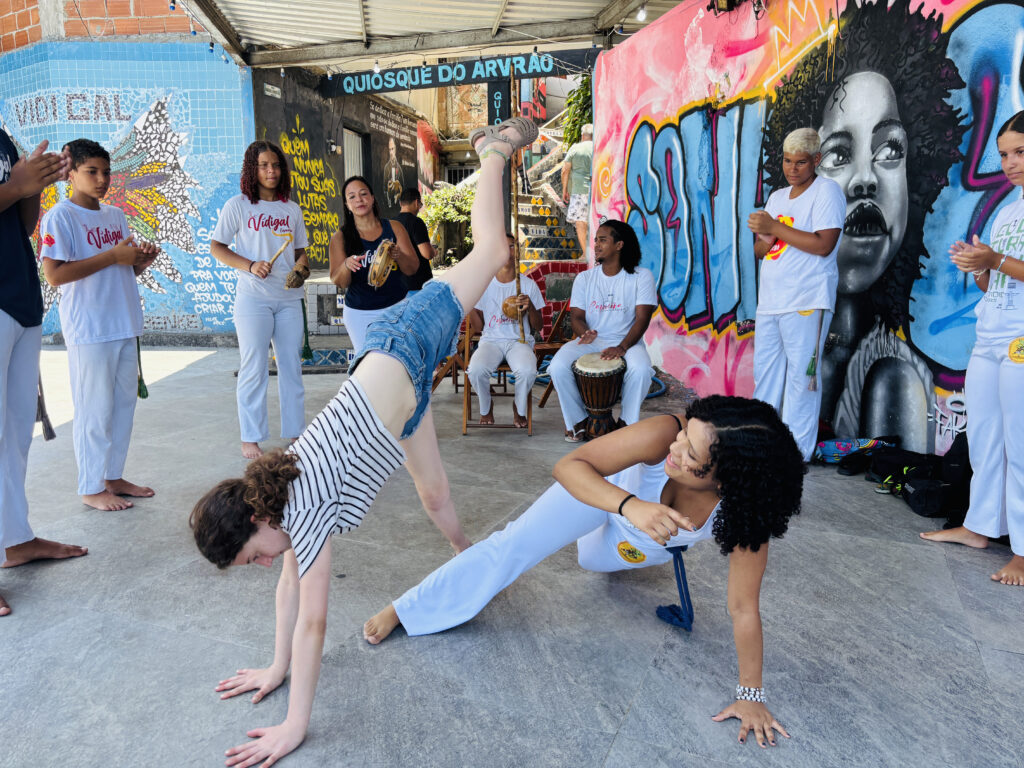
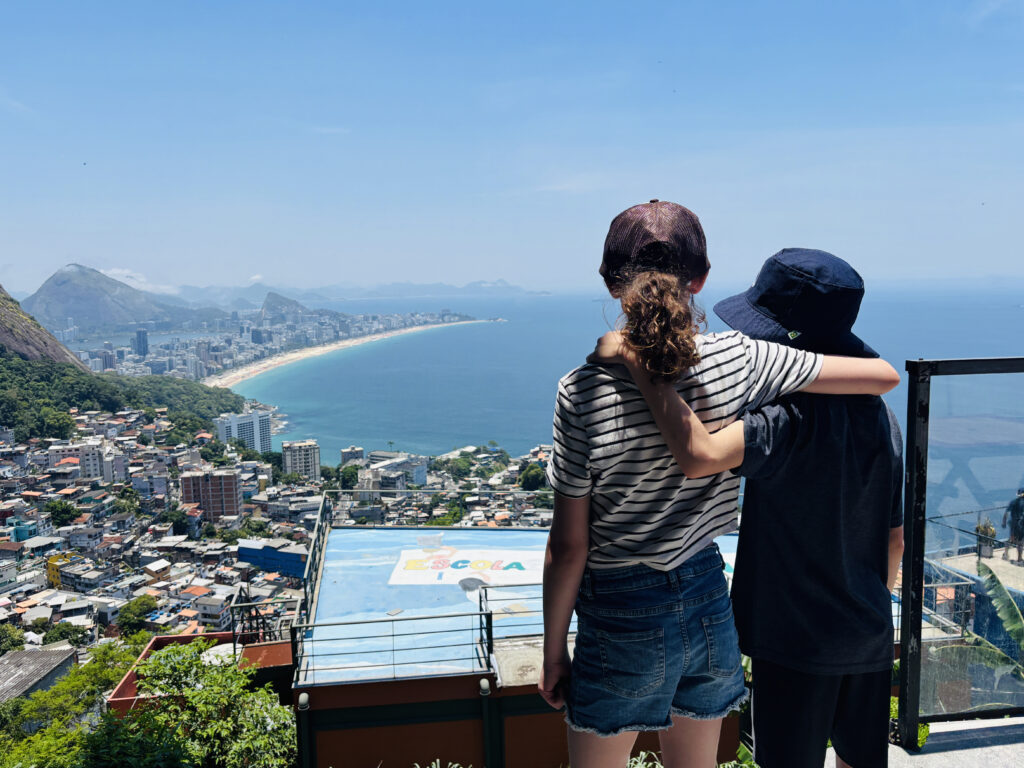
Russo guides us to a bar with one of the best views of the city below. Residents of the city’s favelas might not have much, but their views over Rio de Janeiro are priceless. Awaiting us in a small square is a youth capoeira class, eager to demonstrate Brazil’s energetic hybrid of dance and martial art. Their instructor explains that the school was established to provide meaning, community, and opportunities for favela kids, steering them away from crime and life on the streets.
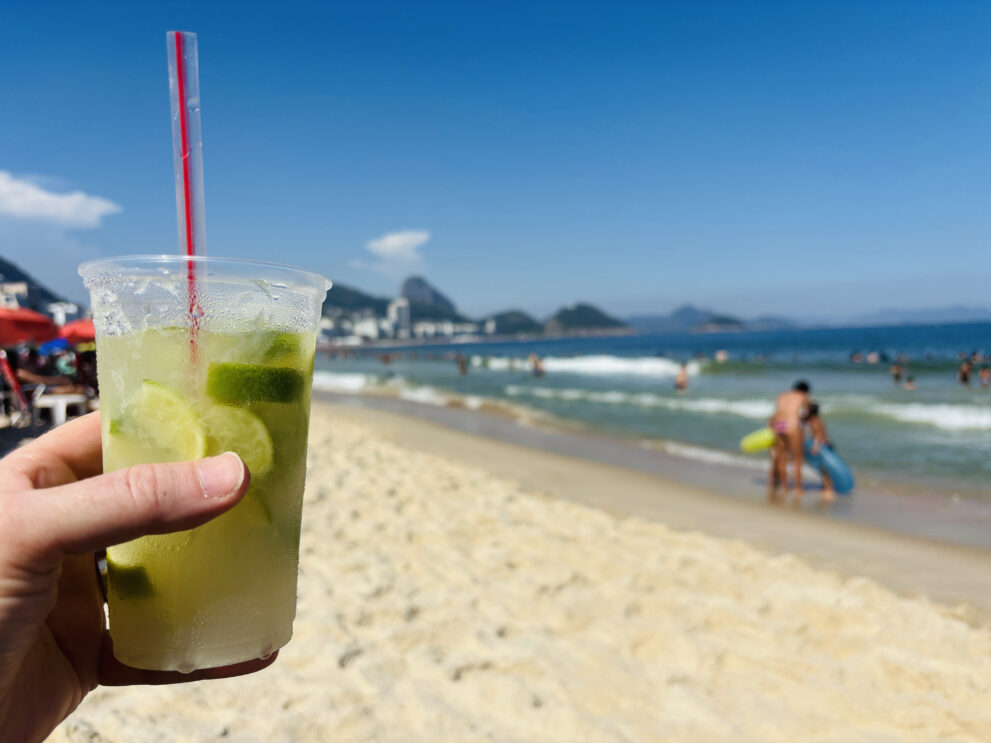
We shake tambourines and are invited to join the roda, a circle where two dancers square off with each other. My kids cartwheel over their kids, all with big smiles. Connecting through the language of drums and dance, it’s an authentic moment of cross-cultural connection. We take a group photo with the class, say “tchau!” and begin our steep descent. Along the snaking, narrow alleyways, we learn about Vidigal’s art and community projects, pick wild herbs, and greet curious residents leaning out their windows. We peer into tiny homes among tangled electric wires, jackfruit and mango trees, exposed plumbing, litter and street art. Russo invites us into a local’s home for a traditional lunch of feijoada, rice, meat, kale salad, fried tapioca and banana. And caipirinhas, of course, because Brazil’s national lime cocktail is never far from a tourist’s hand.
Russo proudly tells us his son studies graphic design and lives in the popular neighbourhood of Copacabana. Vidigal might be a humble start, but it is by no means a dead end. It’s a half-hour walk down the hill before we reach the same intersection where we started. My kids are disappointed there won’t be another moto taxi ride; we parents are less so. Not all favelas invite tourists to visit and interact, and some are dangerous no-go zones for both tourists and locals. Yet Vidigal presents an ideal opportunity to break out of the tourist bubble and get an authentic carioca experience. Cultural encounters in poorer neighbourhoods range from meaningful to exploitative. When it’s done right, as it was today, everyone benefits.
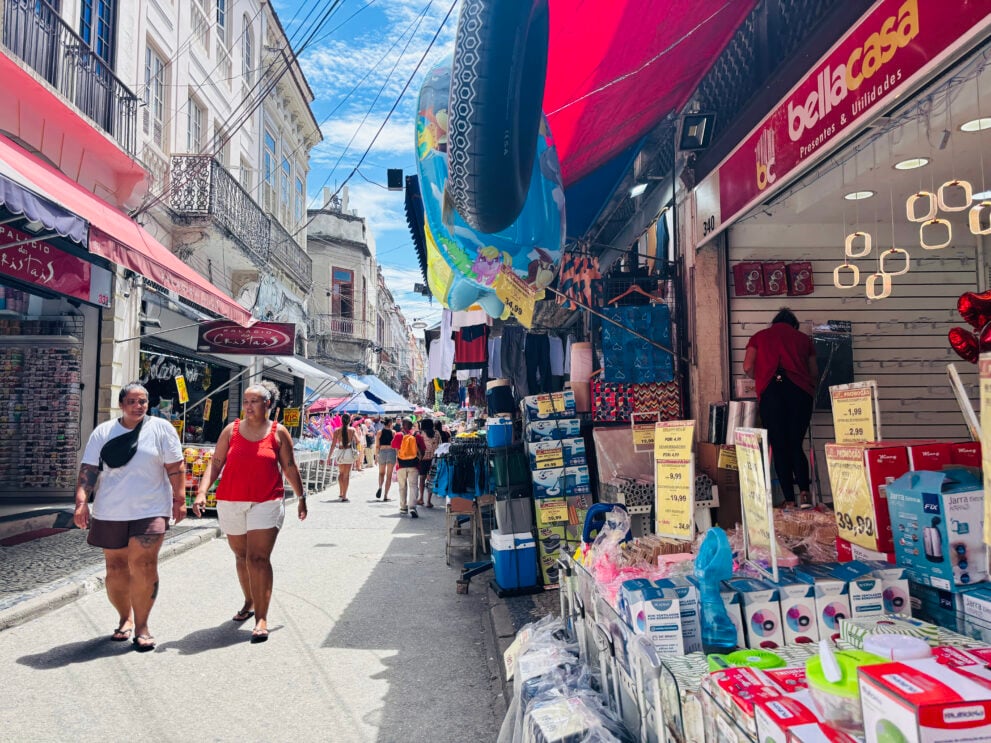
There is so much more to Rio than the tourist hotspots of Copacabana and Ipanema. Consider taking the efficient, safe metro from Copacabana to the Saara Shopping District downtown, where you can browse hundreds of eclectic stores. Havaianas (the iconic Brazilian sandal worn by low-class workers before becoming an international fashion icon) are well-priced and ubiquitous. Nearby is the grand Royal Portuguese Cabinet of Reading, a library with 350,000 volumes and rare manuscripts, many of which were shipped over from Europe when Rio served as the capital of Portugal from 1808 to 1821. Music and art permeate the summer heat.
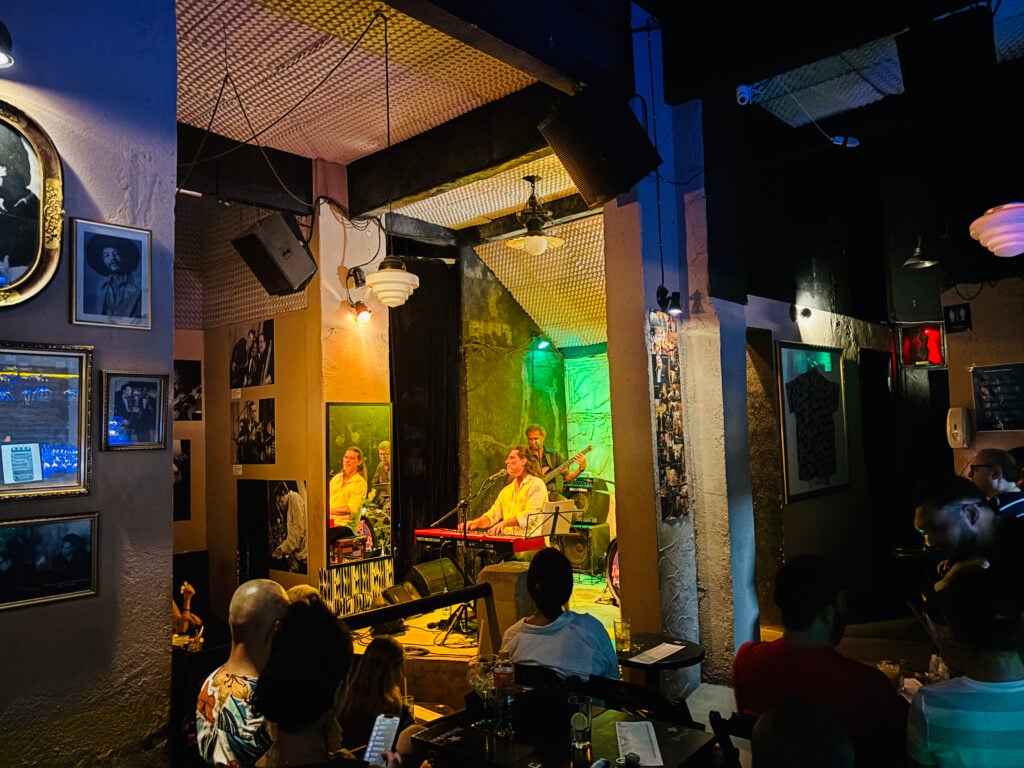
That evening, we head to the legendary Bottle’s Bar in Copacabana, where the Leandro Freixo Trio deliver an entertaining lesson in Bossa Nova, Samba Jazz, Tropicália, and other classic Brazilian genres. Some of the greatest names in Brazilian music have played on this modest yet storied stage. As Leandro explains to the audience in English, it inspires every performer who gets the opportunity to join them. The trio perform every Monday night, and it’s a must-see for visiting music buffs.
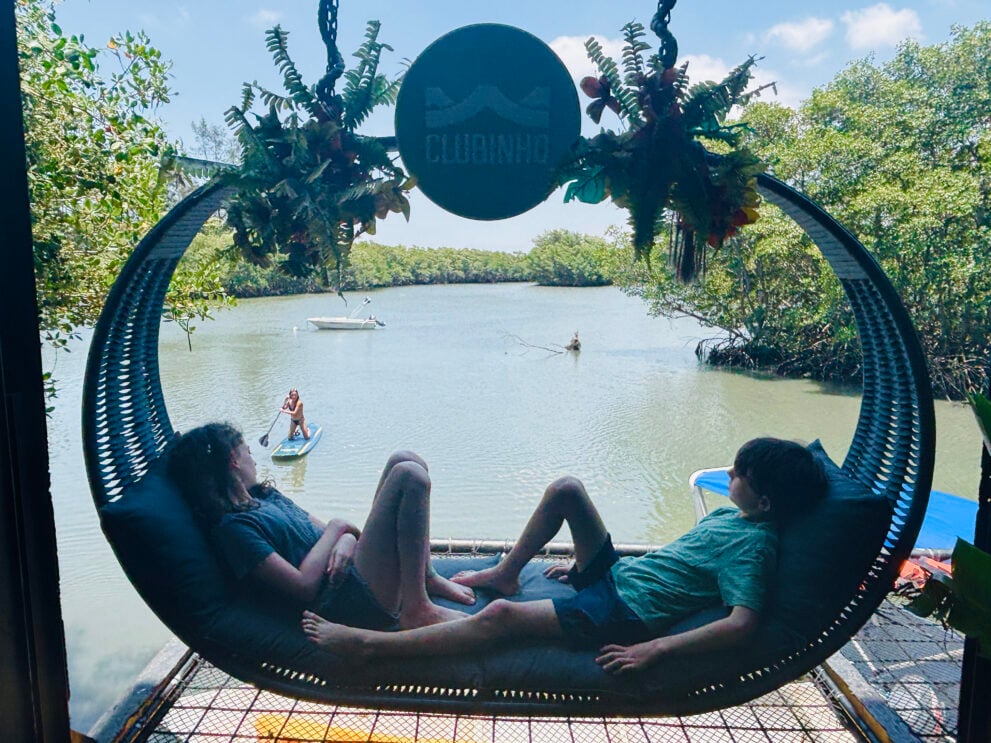
Eduardo Peluzo, who started Mèrola in 2019, goes out of his way to ensure his guests experience something different, and somewhere different too. This is how we find ourselves driving past the modern, Miami-like suburb of Barra, heading to the dense Guaratiba mangroves. We’re still in Rio’s city limits, but it feels like we’ve been transported to the Pantanal wetlands.
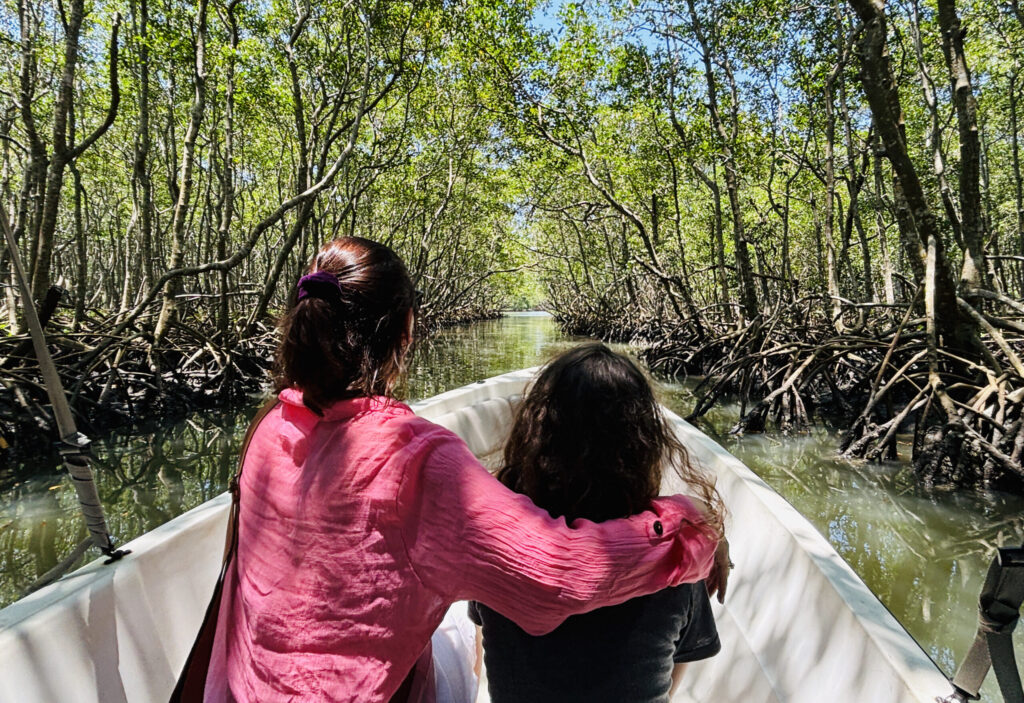
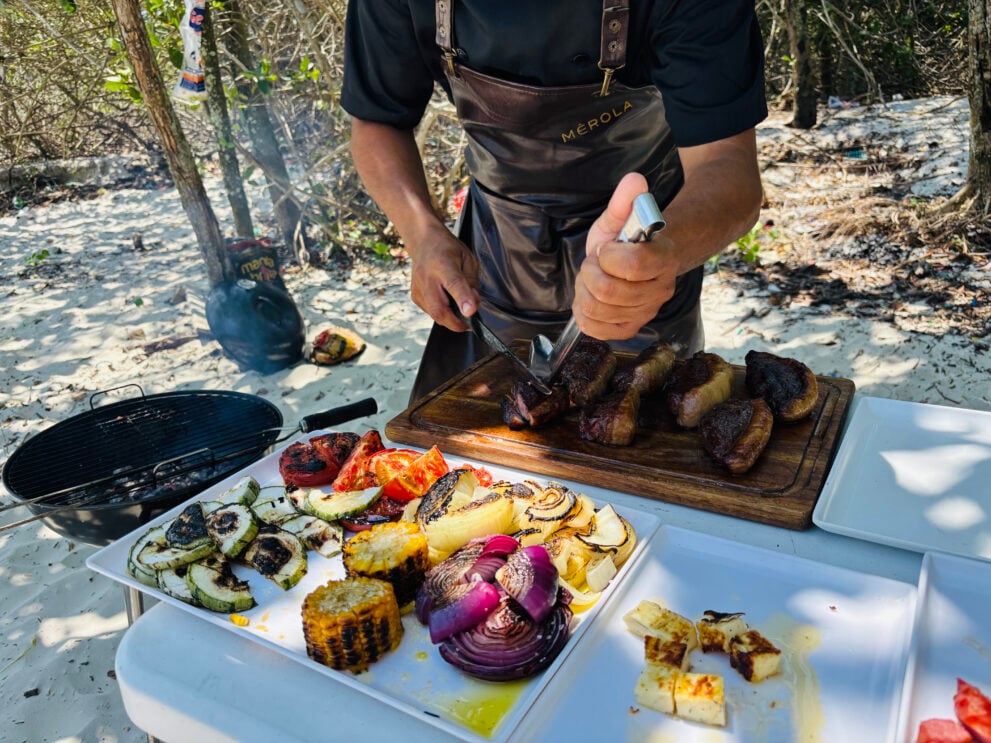
As we transfer to a boat, we spot a wide variety of birds and bright-red crabs, keeping an eye out for capybara. We exit the shallow mangrove opposite the fishing community of Guaratiba and berth on a white sandy beach opposite an inlet. Greeting us with fresh caipirinhas (and fresh juice for the kids) is Jardel, a master steakhouse chef preparing the beach BBQ of a lifetime.
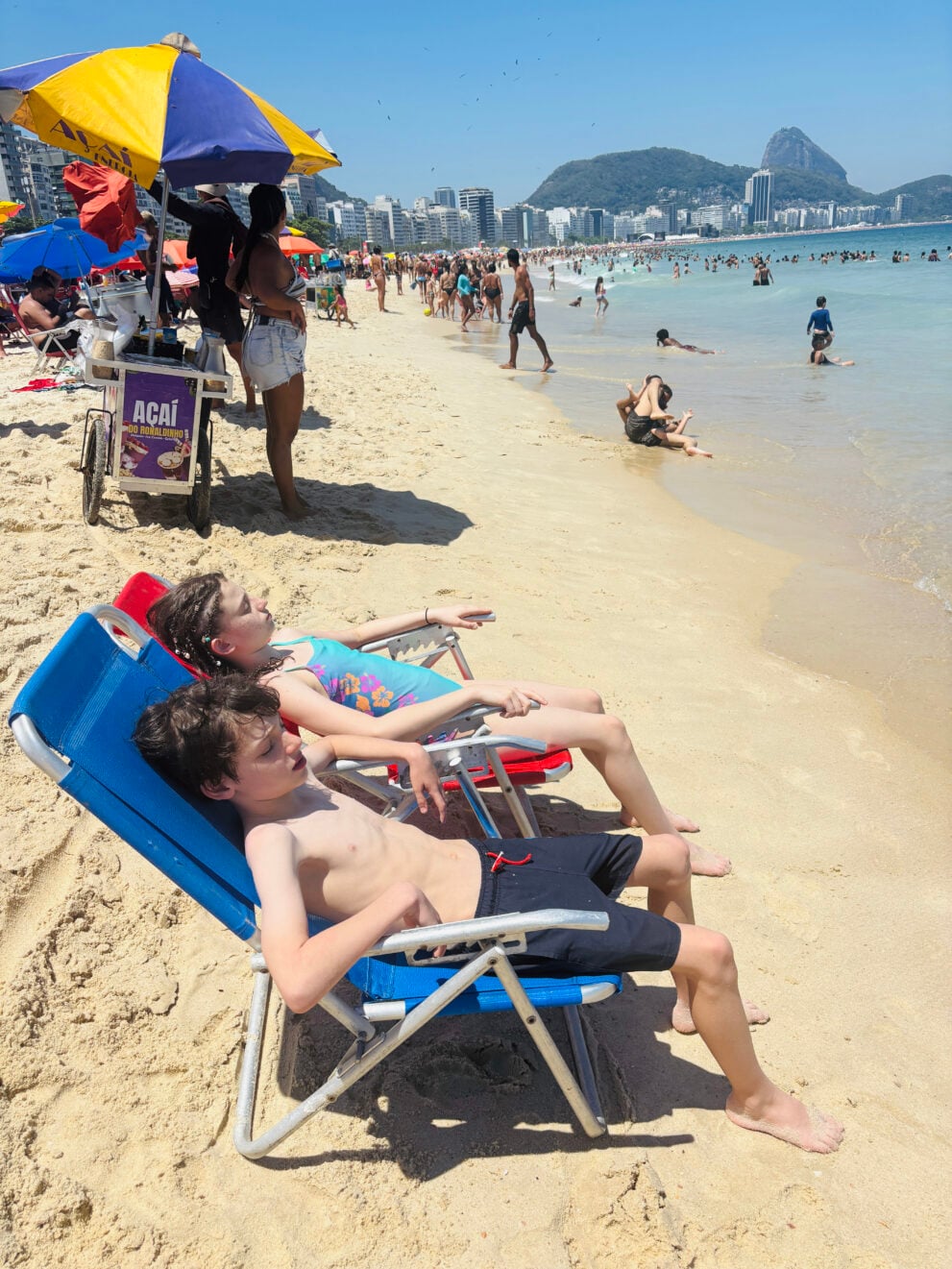
Over a charcoal grill, Jardel prepares mouthwatering picanha (Brazil’s famous grilled rump steak) with the care of an artist, along with grilled queijo (cheese), bread, and vegetables. Soaking in the warm, shallow seawater, this delicious scene is a world away from the crowded beaches we know in Copacabana.
Few activities expand a kid’s mind and tastebuds like a local cooking class. It’s an opportunity to get their hands dirty, learn where food comes from, and add fun to any recipe. Inside the outdoor kitchen at Cook in Rio, a Copacabana-based cooking school, Chef Alex Xaman invites my son to grate cheese for fresh-baked pão de queijoand my daughter to mix condensed milk and cocoa for brigadeiro, a calorie-bomb dessert.
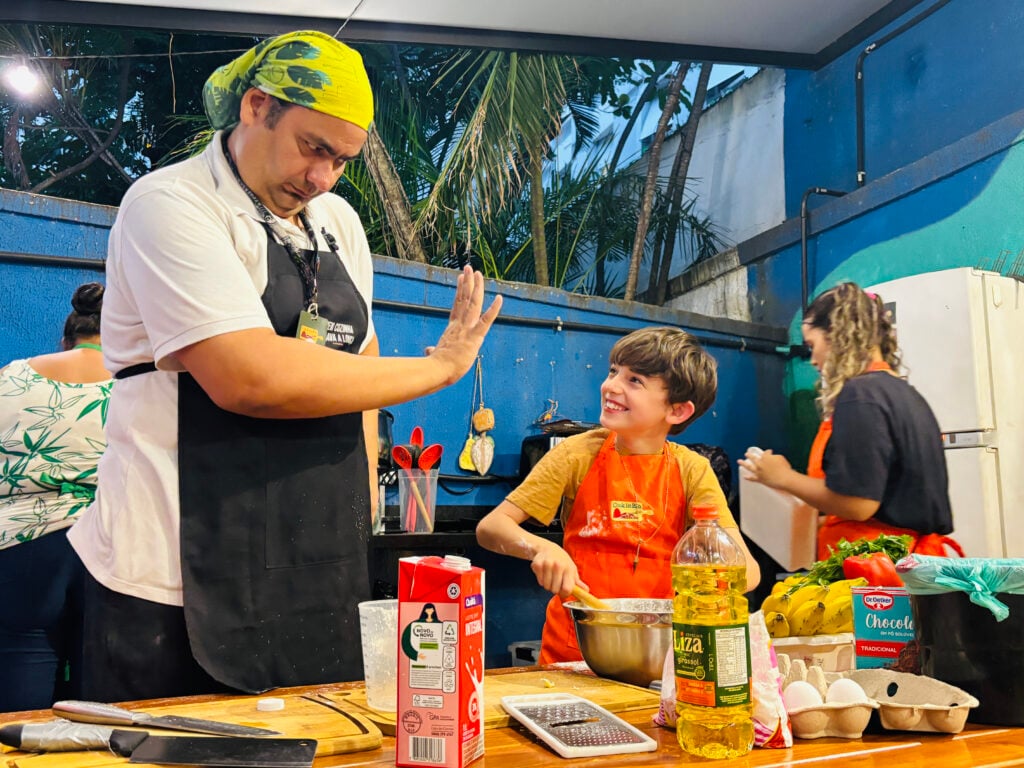
My wife mixes tapioca flour, onions, banana, and spices on the stove to make farofa, and everyone peels shrimp for the main course of a traditional moqueca stew. It takes several hours for everything to come together, with self-made caipirinhas and lemonade flowing. Chef Alex does a fantastic, no-nonsense job keeping everyone busy in the kitchen, and all devour the well-earned feast.
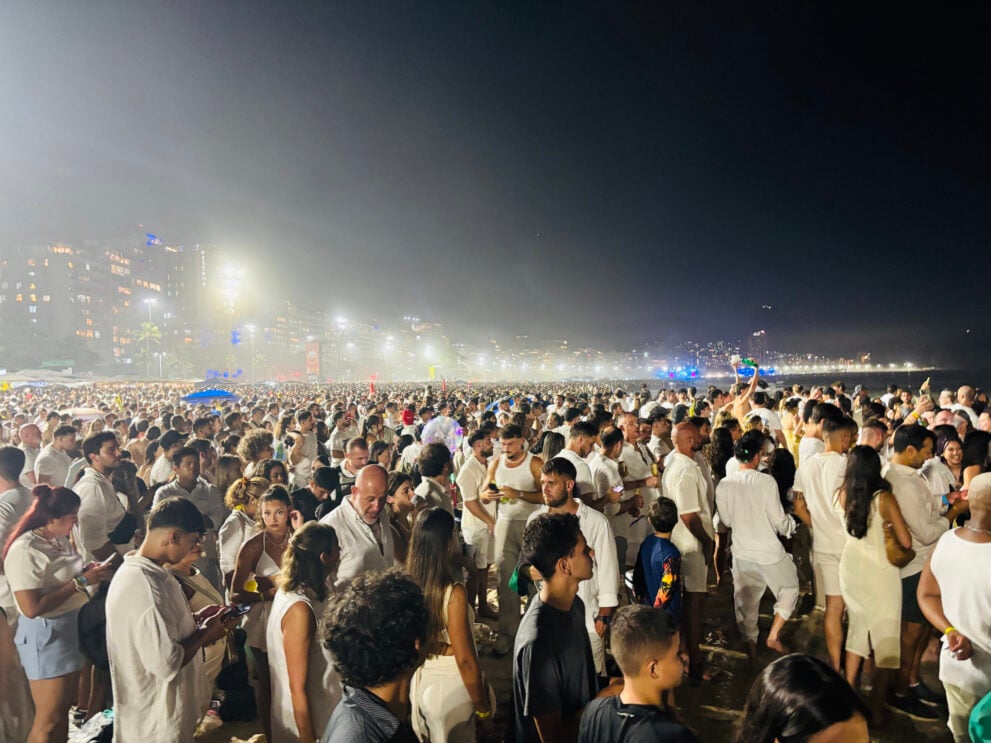
Two and a half million people pack into the four-kilometre-long Copacabana beach to break the world-record attendance for a New Year’s Eve Party. While we celebrate beneath a massive fireworks display at midnight, it’s not the climax of our visit. On New Year’s Day, I take the kids to the arty neighbourhood of Santa Teresa and head up Corcovado Mountain, veering left as high-season crowds turn right to visit the iconic Christ the Redeemer Statue.
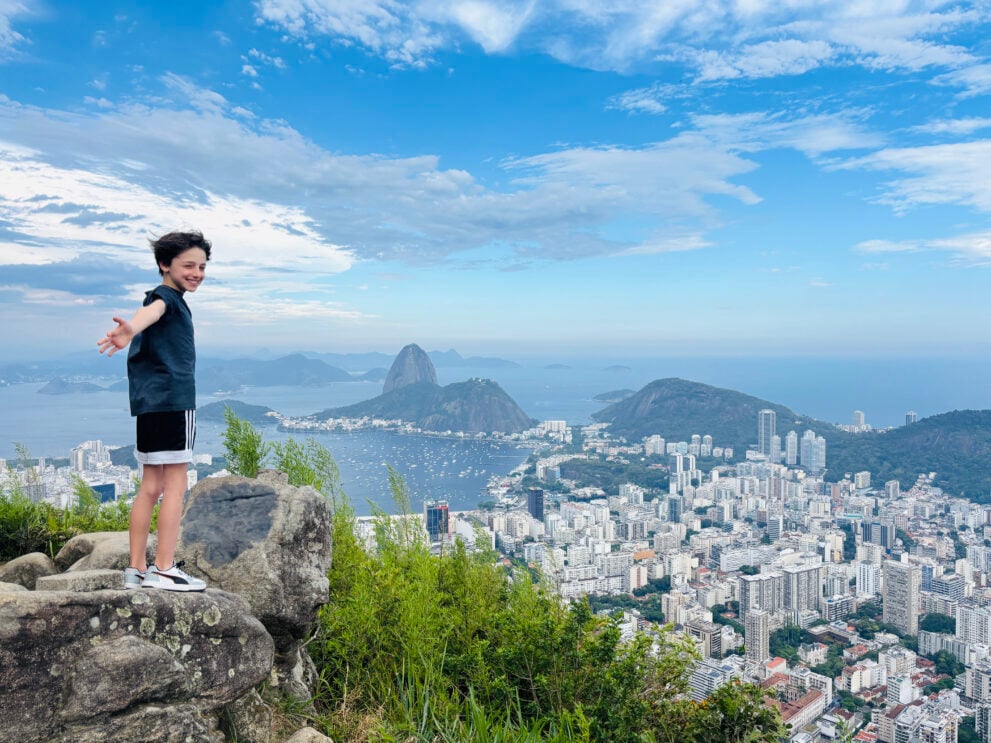
Under a blue sky and with few people about, the 360-degree viewpoint from Mirante Dona Marta is simply extraordinary. Towering granite monoliths, lush jungle, a deep harbour, white beaches and hilly islands all meld into an intense urban cityscape. There are beaches, favelas, condos, jungles, street malls, parties, smiles and so much skin, all glistening in the sultry heat of summer. If there is ever a race for the World’s Most Beautiful City, odds are Rio de Janeiro will leave Cape Town and Vancouver in the dust.
Travel
Experiencing the world’s largest carnival during a week of celebration, social unity, parades, colourful fashion and of course, partying

Environment
Vancouver might just be home to the greenest building in the world. Meet the geography professor who brought it to life.

Science & Tech
The Vice-President of Global Business Environment and head of the Shell Scenarios team discusses the Future Cities project and how Canadian cities can be more sustainable
Travel
Two award-winning travel journalists discuss why family travel, even the kind that pushes us outside our comfort zones, is one of the most powerful investments we can make