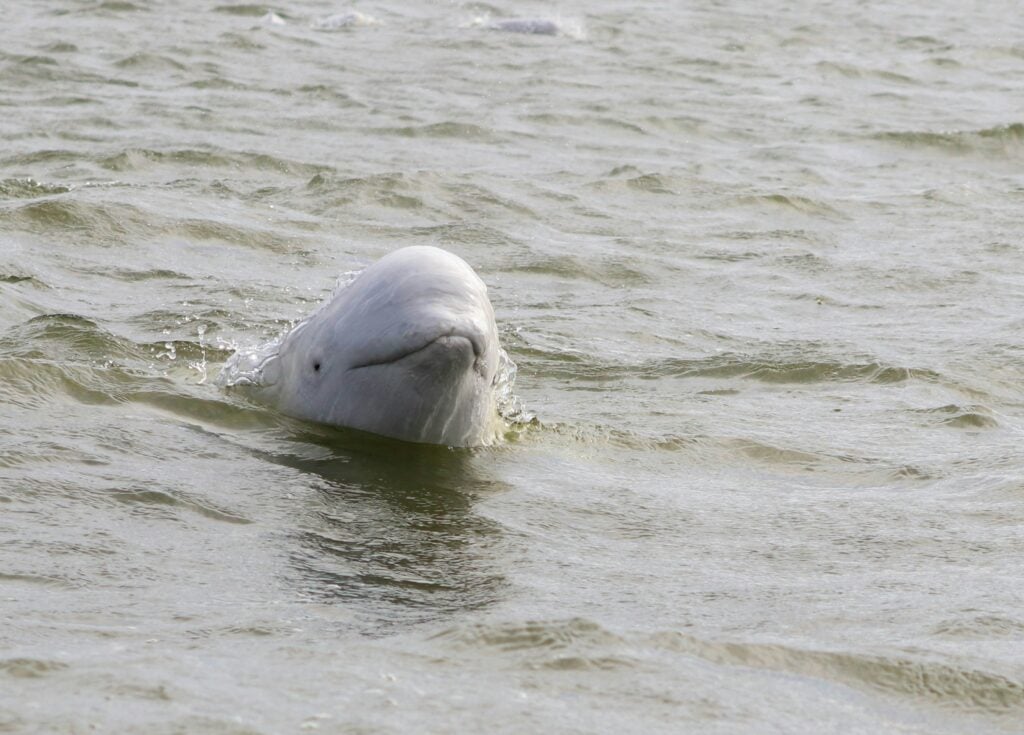
For many, the Whale Sanctuary Project offers hope. A proposed 40-hectare netted enclosure in the ocean bay by Port Hilford, N.S., could home some whales, with CEO Charles Vinick aiming for “dignity in their retirement” and an end to living in small concrete tanks “where the science has proven that they suffer.
First proposed in 2020, the sanctuary faces approvals and environmental tests. Aimed to mimic the natural world but with human caretakers and close monitoring of the whales, the sanctuary has a “doable” construction timeline of eight or nine months, allowing up to 10 healthy whales to potentially be re-homed by early summer. Whales that are too sick for transport would likely either remain at Marineland or be euthanized.
Andrew Fenton, a bioethicist at Dalhousie University, points to chimpanzee sanctuaries as evidence that animals bred for captivity can thrive in enriched environments. But with a growing acknowledgement that the Nova Scotia sanctuary wouldn’t be able to house all the whales and that facilities in the U.S. might be the best fit, Fenton worries the prospect of shipping the whales to other aquariums undercuts the spirit of a law passed to bar captivity on ethical grounds.
Fenton says the solution must remain Canadian: “We can’t export our duties to these animals. We can’t rely on other customers, other patrons of aquariums around the world, to do what we should be doing here.
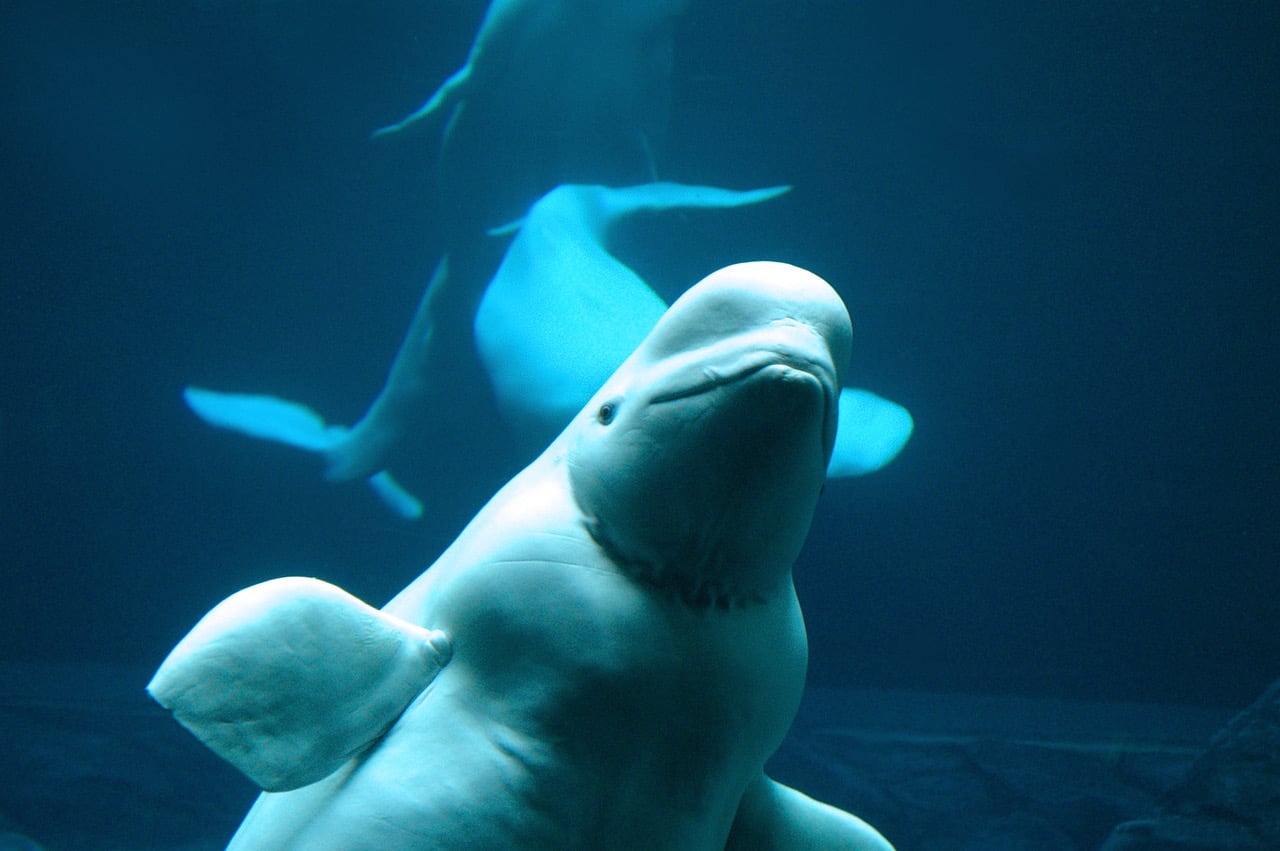
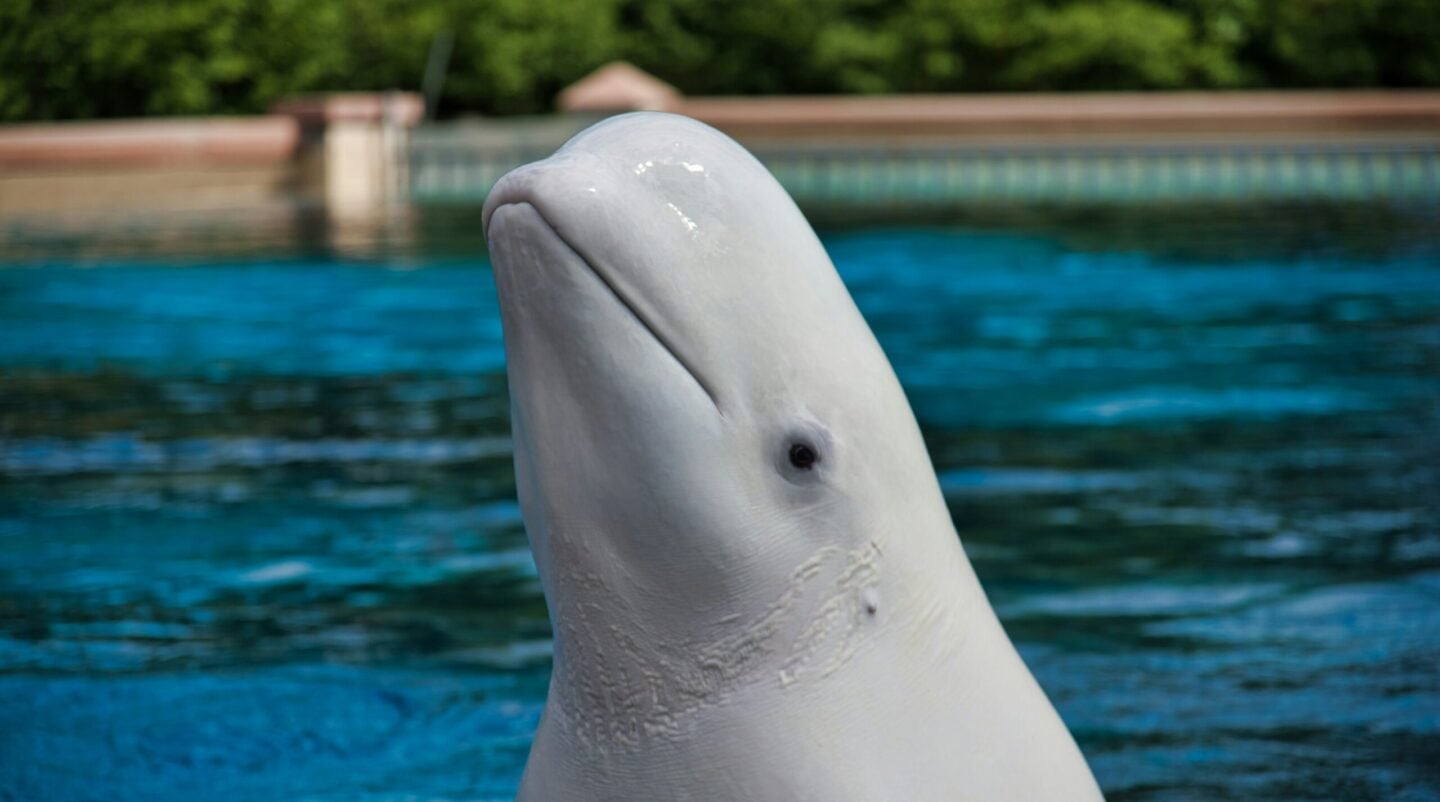
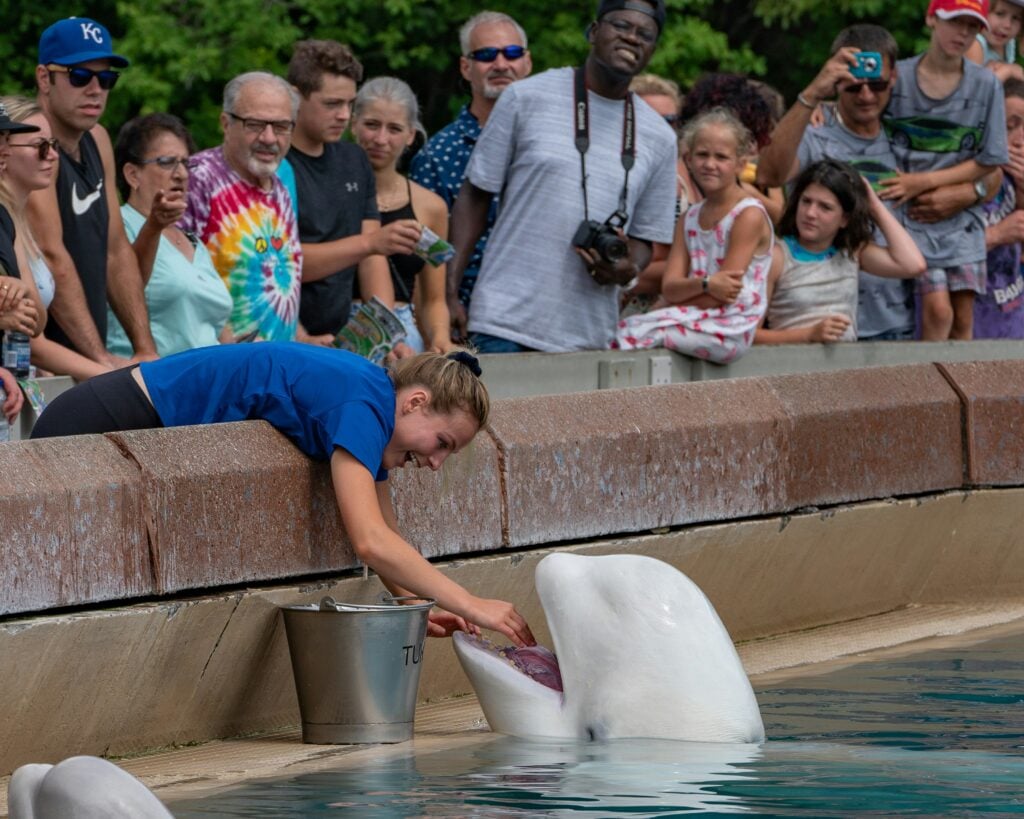
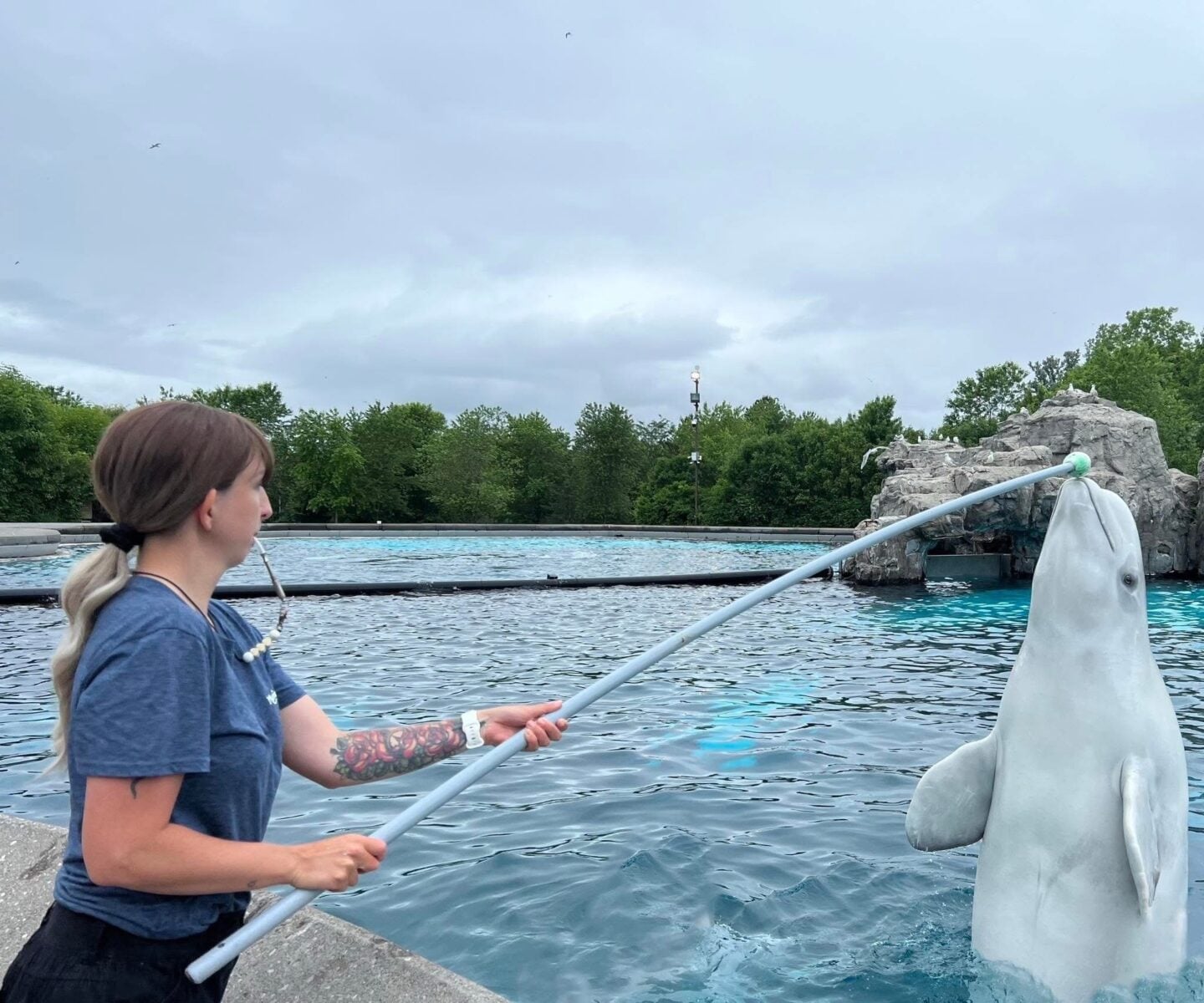
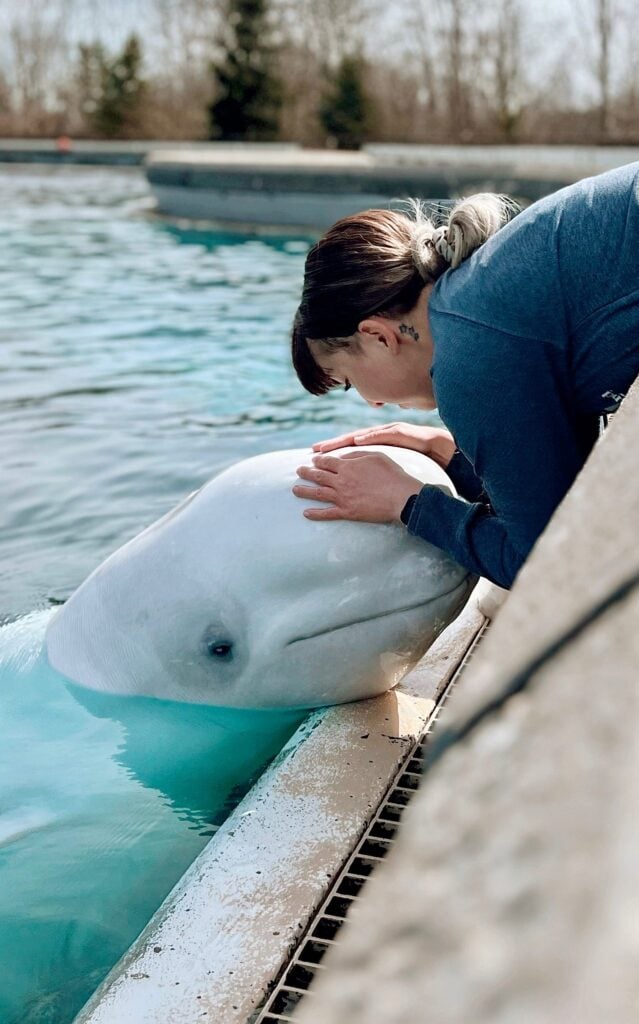
The debate over Canada’s last captive whales often overlooks the belugas’ reality: bred for public display and trained to perform. But as society moved away from marine parks, the whales stayed put.
Burgess, the trainer, also wants people to remember the whales matter — that they have both value and distinct personalities. Sierra leaves a “big imprint” in people’s hearts, Calypso is the life of the party with her “cheeky smirk,” Tofino is the “poster child of a perfect whale,” Meeka is instantly recognizable with her “milk moustache,” and Gemini is “absolutely squishy” with an “adorable ‘meep’ vocalization.
Captivity ethics frames this as a “duty of repair” ⎯ the idea that a person or society is obliged to make whole those who are wronged. In the case of the whales, for the province and the country, says Fenton, there is a clear debt incurred by a society that permitted aquariums to keep whales captive. Everyone loved Marineland.
“We owe [the whales], and that debt can arguably only be repaid by making sure that they have the best lives possible,” he said. “We’ve denied them a life we shouldn’t have denied them.”