Environment
Inside the fight to protect the Arctic’s “Water Heart”
How the Sahtuto’ine Dene of Délı̨nę created the Tsá Tué Biosphere Reserve, the world’s first such UNESCO site managed by an Indigenous community
- 1663 words
- 7 minutes
Wildlife
When scientists started documenting alarming declines in the Thechàl Dhâl herd of Dall sheep, it sparked a vital conversation between biologists and First Nations communities. What was causing the drop in numbers — and how could they work together to find a path forward?
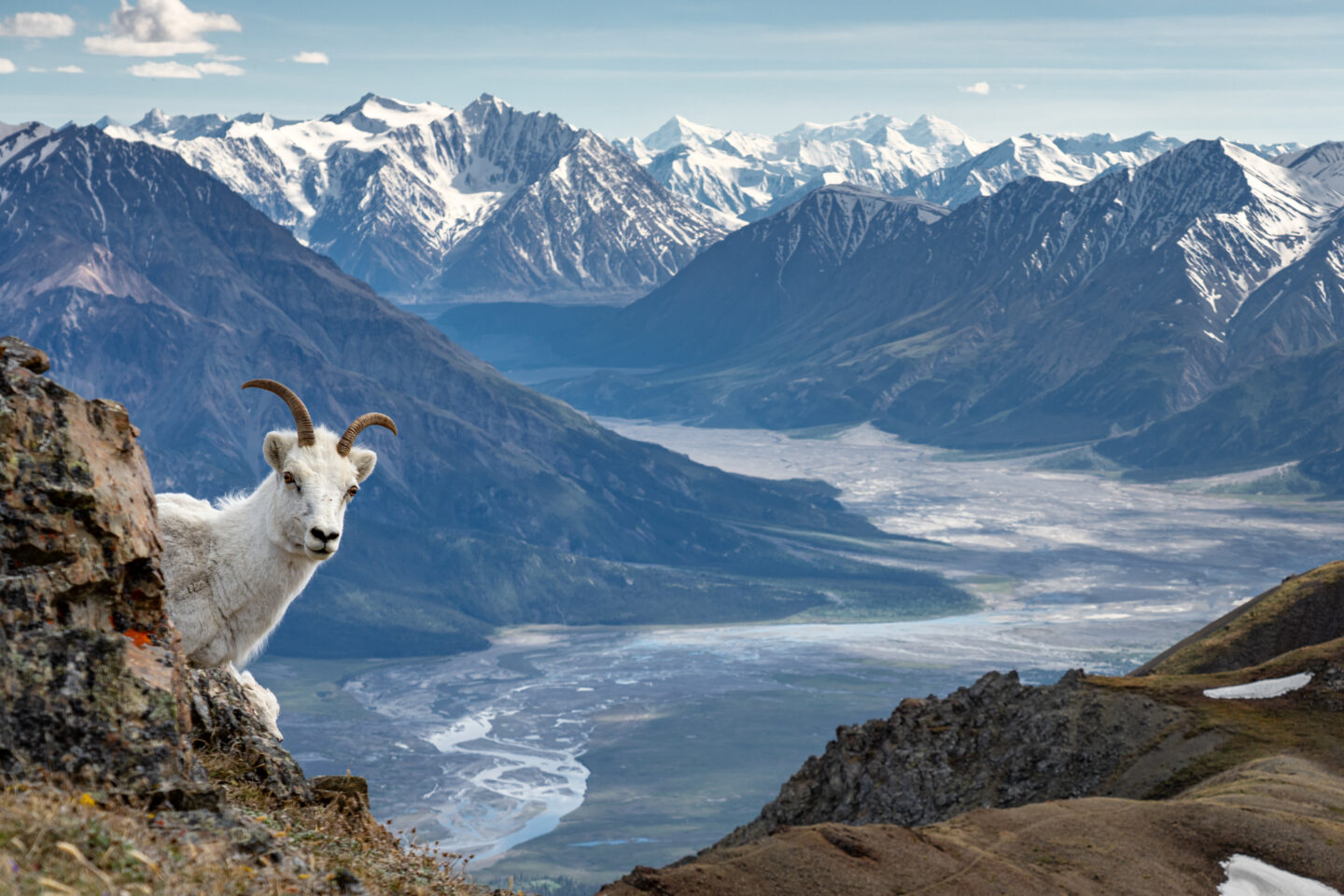
Thechàl Dhâl, Sheep Mountain, rises up like a monolith as a colossal cloud of glacial dust billows through the Ä’äy Chù, Slims River, valley in southwestern Yukon. According to the Southern Tutchone people, Thechàl Dhâl translates to “skin scraper mountain,” referring to the thechàl, a flat stone scraper used to prepare the hides of mäy, or Dall sheep.
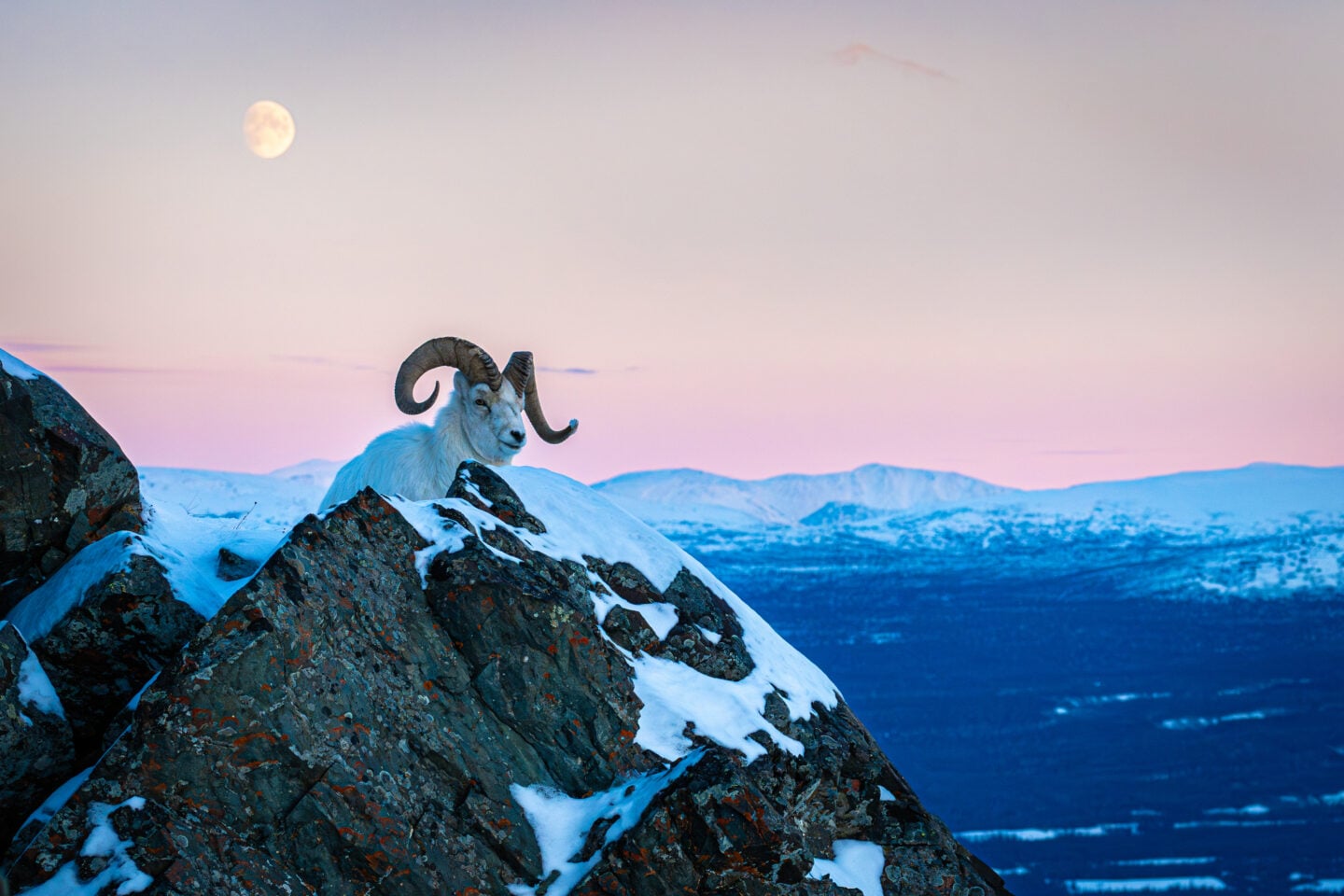
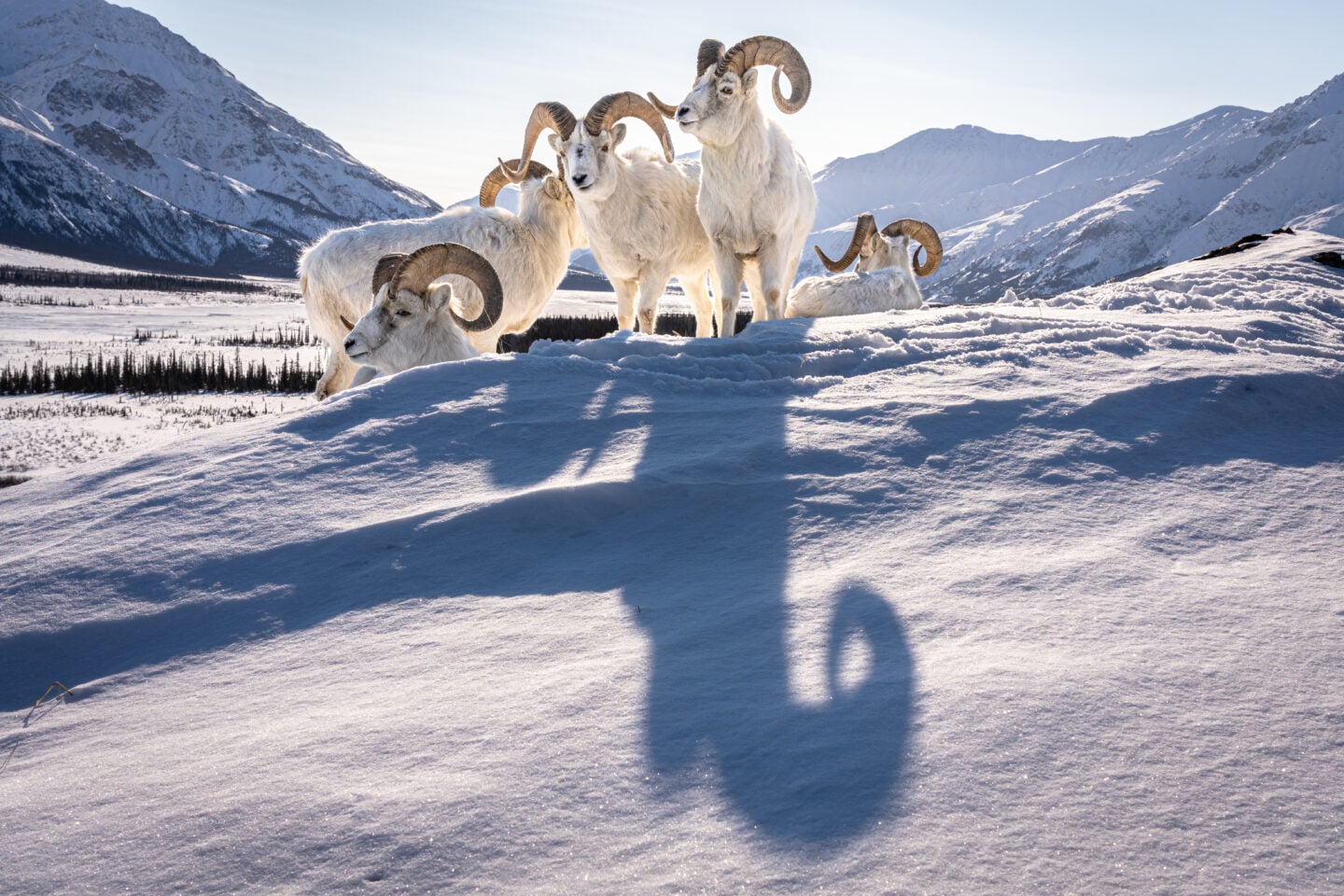
On its treacherously steep slopes, a large group of rams beds down, facing away from one another in every direction. These princely beings are calmly keeping vigil for predators: black bears, grizzly bears, lynx, coyotes and golden eagles. They wear their amber, slender, spiralling horns like crowns. They’re biding their time until the November rut when, charged up on testosterone, they’ll smash heads and lock horns to determine the dukes from the kings. Honeycomblike air pockets in their skulls absorb the colliding force — more than would fracture a human skull.
The group is watched by a convoy of grey-haired American motorcyclists, peering through binoculars from the parking lot of the Thechàl Dhâl visitor centre in Kluane National Park and Reserve. Rams watching rams, I think. The men journeyed here on the Alaska highway, carving through the glacial valley, winding along the shores of Łù’àn Män, Kluane Lake, Yukon’s largest lake.
Inside the centre, the tourists will learn that, historically, Indigenous people were excluded from subsistence hunting inside the park boundaries, but in 1993 and 2003, Champagne and Aishihik First Nations and Kluane First Nation signed land-claim agreements, becoming co-managers with Parks Canada of Kluane National Park, home to upwards of 5,000 Dall sheep.
Dall sheep — one of two subspecies of thinhorn sheep — are lesser known than the bighorn sheep of the Rocky Mountains. There are about 115,000 Dall sheep throughout their range, from Alaska through Yukon to western Northwest Territories and northwestern British Columbia, with about 20,000 in Yukon.
With lush white fur and impeccable eyesight, Dall sheep seek out cold, windy, snow-free conditions in rocky, high altitudes, gleaning nutrients from lichen, sage, sedges and flowering plants. Their split hooves — hardrimmed for gripping slippery rocks with a soft, spongy interior providing traction — are their climbing shoes, as they leap across wide crevices, land daunting drops and balance atop formidable ledges.
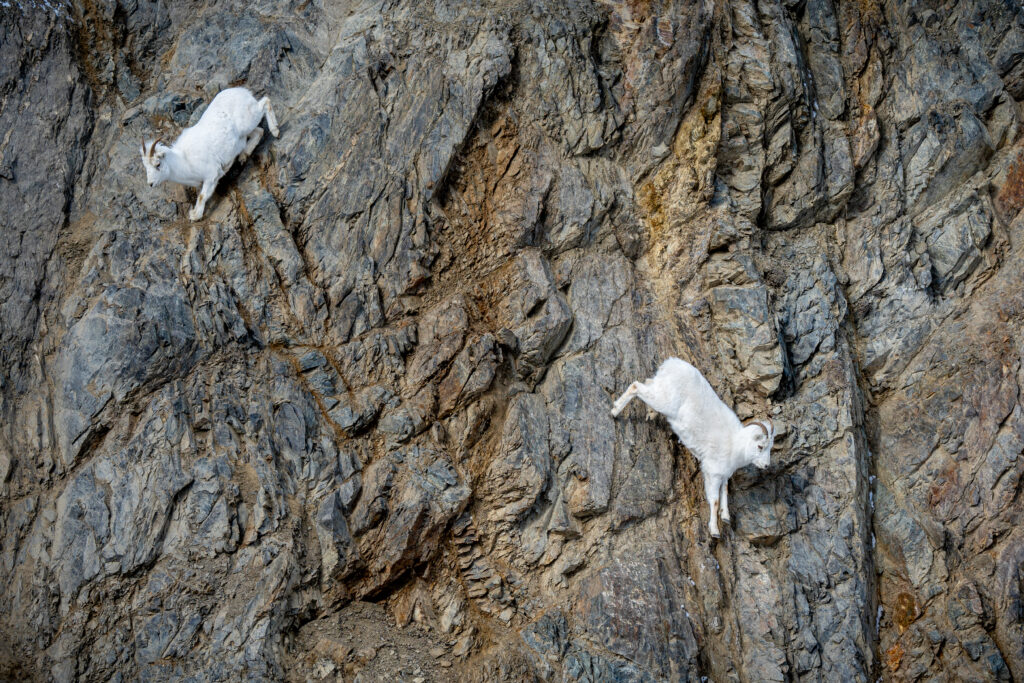
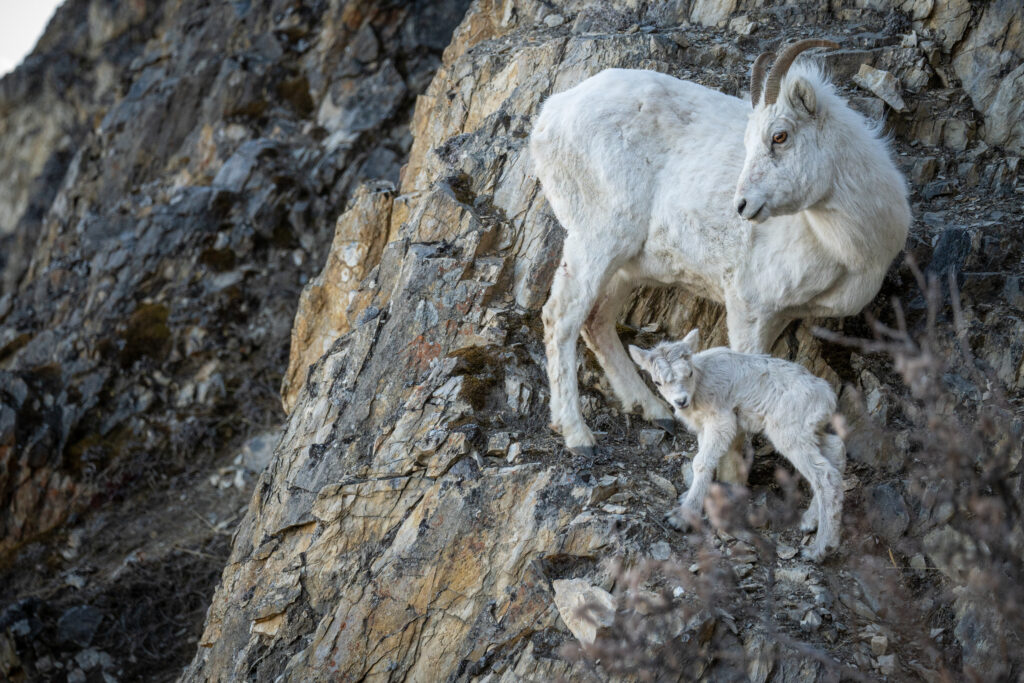
“Sheep are built for these cliffs,” says Kluane National Park ecologist Carmen Wong. “Especially when they’re with their young, they always have escape terrain in sight.” Escape terrain refers to the rocky cliffs and slopes that predators can’t easily navigate. Ewes opt to lamb here. Lambs find their legs within hours, learning to stand, walk, then scale cliffs that free solo climber Alex Honnold would think twice about.
Over the past 15 years, Wong has been studying four Dall sheep populations in Kluane, including the Thechàl Dhâl herd, surveyed most years since 1977. In 2019, Wong and her Parks Canada team began to document alarming declines in the Thechàl Dhâl herd, specifically among rams and lambs. While the historical average is 40 lambs, in 2021, they counted only eight — 81 per cent fewer than in previous surveys. The following year, Wong’s team counted 53 rams, a staggering decline from the historical average of 94 rams.
By 2023, the adult sheep numbers were 33 per cent below the historical average. It wasn’t an isolated trend. “We were seeing this trend outside the park in Yukon and in Alaska, too,” says Wong.
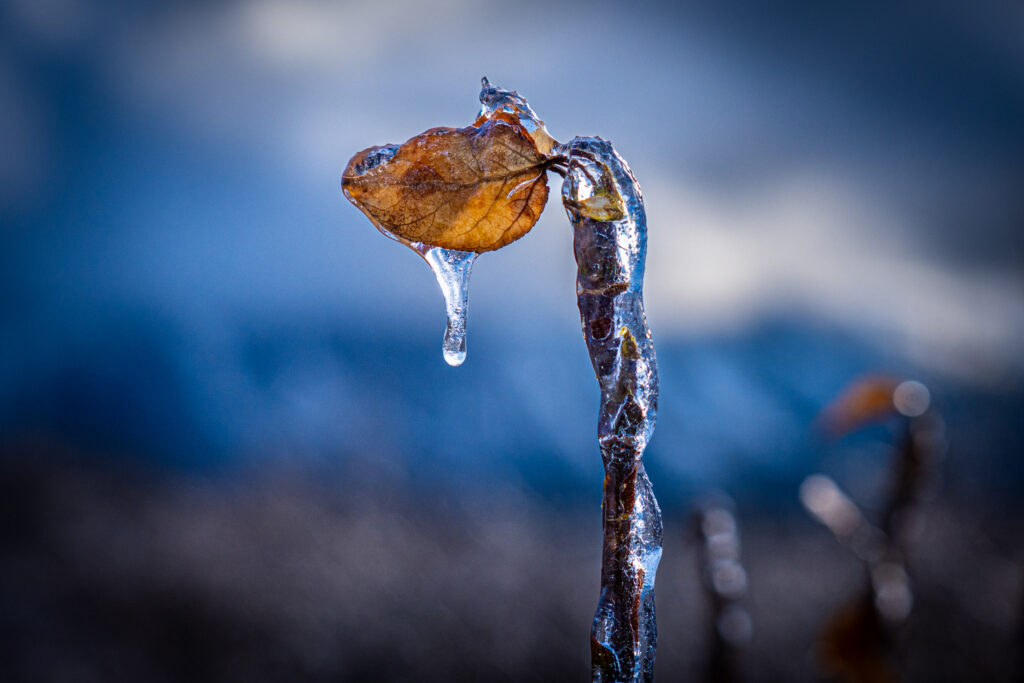
With this pattern showing up in so many different places, biologists believe the declines could be partially climate driven. Late winters and delayed springs have resulted in heavy snowfall and rain-on-snow events, creating icy, dangerous conditions for Dall sheep. In 2022, a Parks Canada trail camera captured a newborn lamb nearly buried in 30 centimetres of snow, says Wong. At birth, lambs weigh only three to four kilograms and stand 42 cm high; few would survive the sudden dump of snow. It took an energetic toll on adults, too. Ewes struggled to paw through hardcrusted ice to feed on sedges to pack on the necessary calories to conceive. “Not many lambs were produced during those four years,” Wong explains.
But the issue facing Dall sheep is more complex than climate alone, says Wong. Other major concerns at play include road collisions, habitat loss, disturbances from aircraft and rapid ecological changes occurring around Kluane Lake. Hunting adds another layer of pressure on sheep populations. Today, the story of sheep has sparked a vital conversation between biologists and First Nations, combining western science with traditional knowledge to find a way forward.
As the wind howls and Kathleen Lake churns with whitecaps, Ron Chambers and I are taking refuge in the cook shack along the southern boundary of the park. Chambers, an Elder and member of the Champagne and Aishihik First Nations is explaining how counting sheep wasn’t the best way to determine the health of wildlife traditionally.
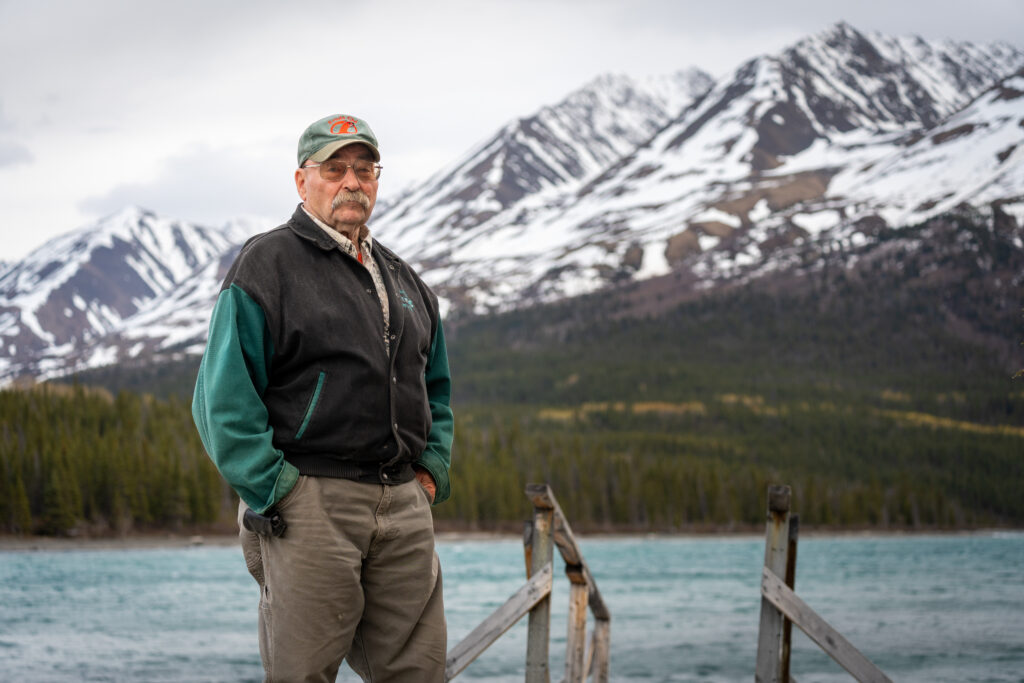
“An Elder might say, ‘there’s lots of sheep there’ but they wouldn’t tell you how many,” Chambers tells me. People observed the sheep; they knew the sheep’s behaviours because their lives depended on it. “Today, we want numbers,” he says. When I ask Chambers if there are fewer sheep today, he quips, “There’s more people.”
Chambers, who worked as a park warden in Kluane for 22 years, has been observing sheep on the land for decades. His roots travel deeper still in the Kluane region. He grew up in Burwash Landing on the southwest shore of Kluane Lake, and his grandmother used to have a cabin close to where we’re sheltering. Louise Lake, which flows into Kathleen Lake, was named after her.
When he was a boy, hunting mbay (“sheep” in his dialect) was a way of life; it wasn’t “something that was made into a big deal.” His mother hunted, his sisters hunted. Chambers doesn’t remember how old he was when he killed his first sheep. That detail doesn’t matter, he tells me. Hunting wasn’t about individual prowess or mounting trophy horns on the wall, but community sustenance. “Nothing was wasted. Everything was utilized,” he says. “Even the sheep hooves were used for ceremonial rattles.”
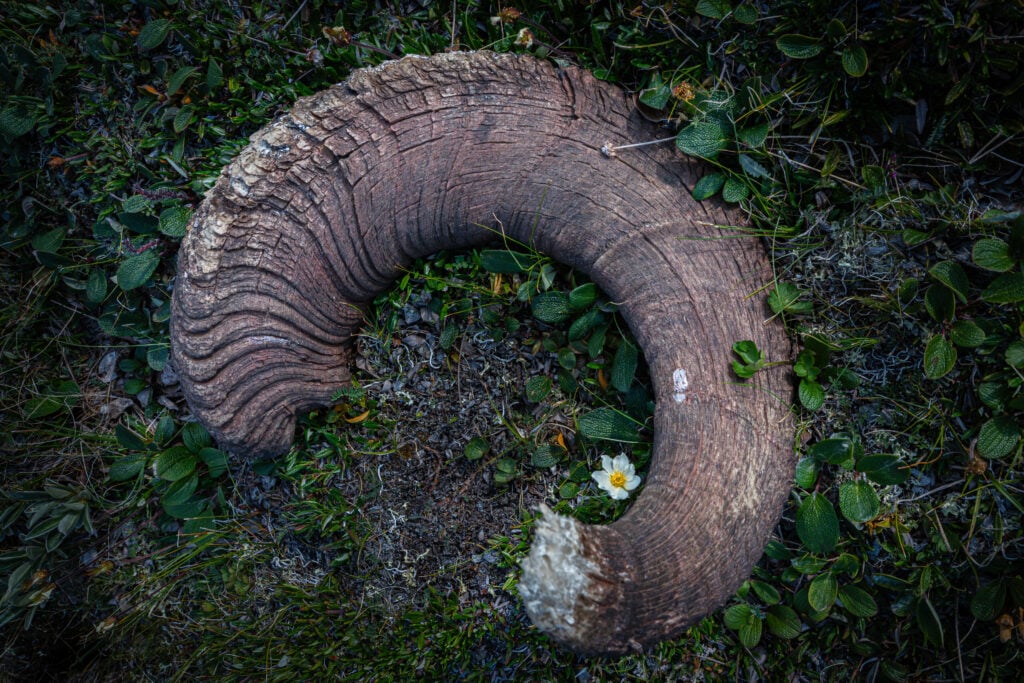
Mbay horns were boiled, softened, shaped and carved into ceremonial spoons for use in potlatch ceremonies. A mbay je ts’al (“sheep horn spoon”) symbolized a sharing of wealth among people. The time and dedication to craft a spoon reflected the deep respect people had for the animal, says Chambers. “Sheep have been important to people for generations, but there was a period of time … after the Europeans moved in and they got into trophy [hunting].”
In the 1950s and ’60s, First Nations hunters were some of the first sheep guides for American and European clients. Chambers’ father and uncle were involved in guiding, and his mother worked as a cook for hunters. People guided in the summer and worked their traplines in the winter. But today, there aren’t as many First Nations people involved in outfitting. “People come here with different backgrounds, and they see sheep with different eyes,” he says. “Today, it’s a big business.”
Despite shifting views on Dall sheep — from potlatch spoons to stuffed heads mounted on walls — Chambers doesn’t blame the hunting industry alone for the sudden declines. “We didn’t outhunt them. We’re hunting less than we ever did,” he says. “We’ve got to look at what else is going on.”
“We didn’t outhunt them. We’re hunting less than we ever did … we’ve got to look at what else is going on.”
One year in his park warden days, during an unusually warm May, Chambers was shocked to discover four sheep fetuses along the same mountain ridge. The fetuses were indicative of some kind of environmental stress, the pregnant ewes unable to carry their young to term. “I don’t think I’d seen a fetus in my life before that, let alone four,” he says. “The sheep aborted these lambs — possibly because of the weather.”
He reported his discovery to the park biologist; it would turn out to be a year that few lambs survived. The encounter always stayed with Chambers, a reminder of the sheer challenge of seeing everything on the landscape. “If the number of sheep are down, are we missing something?”
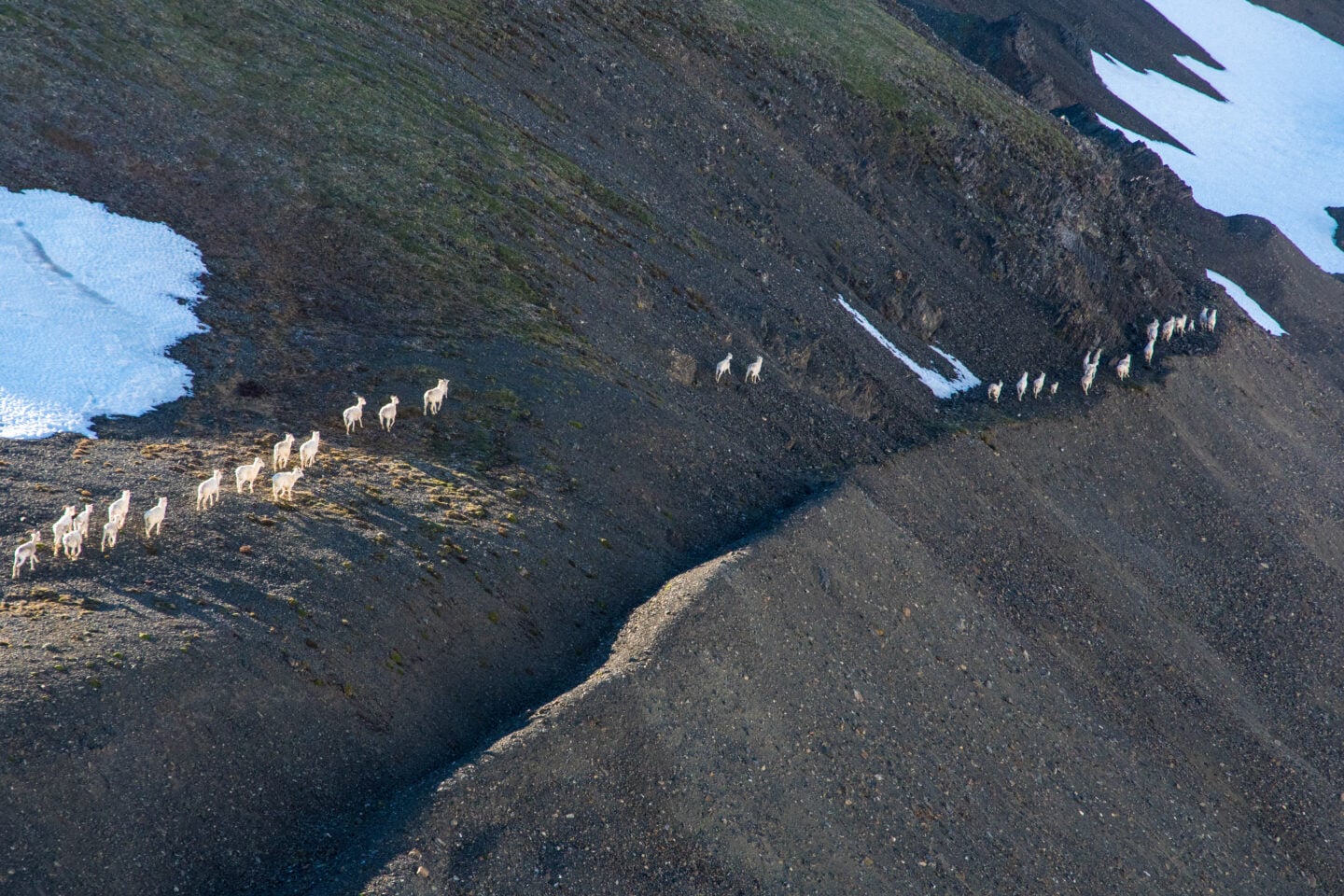
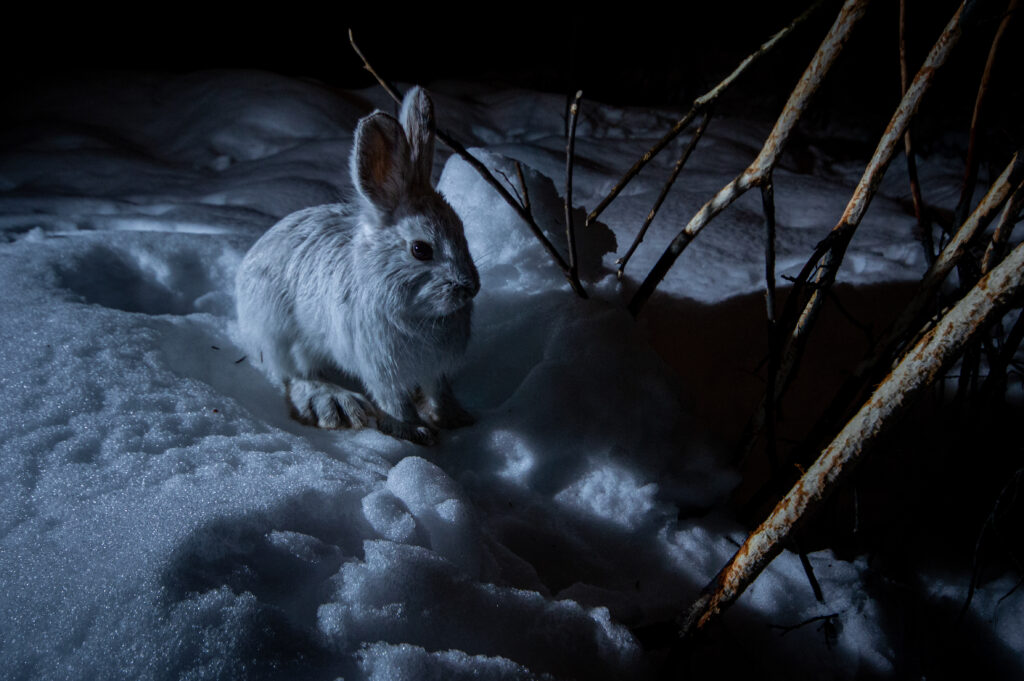
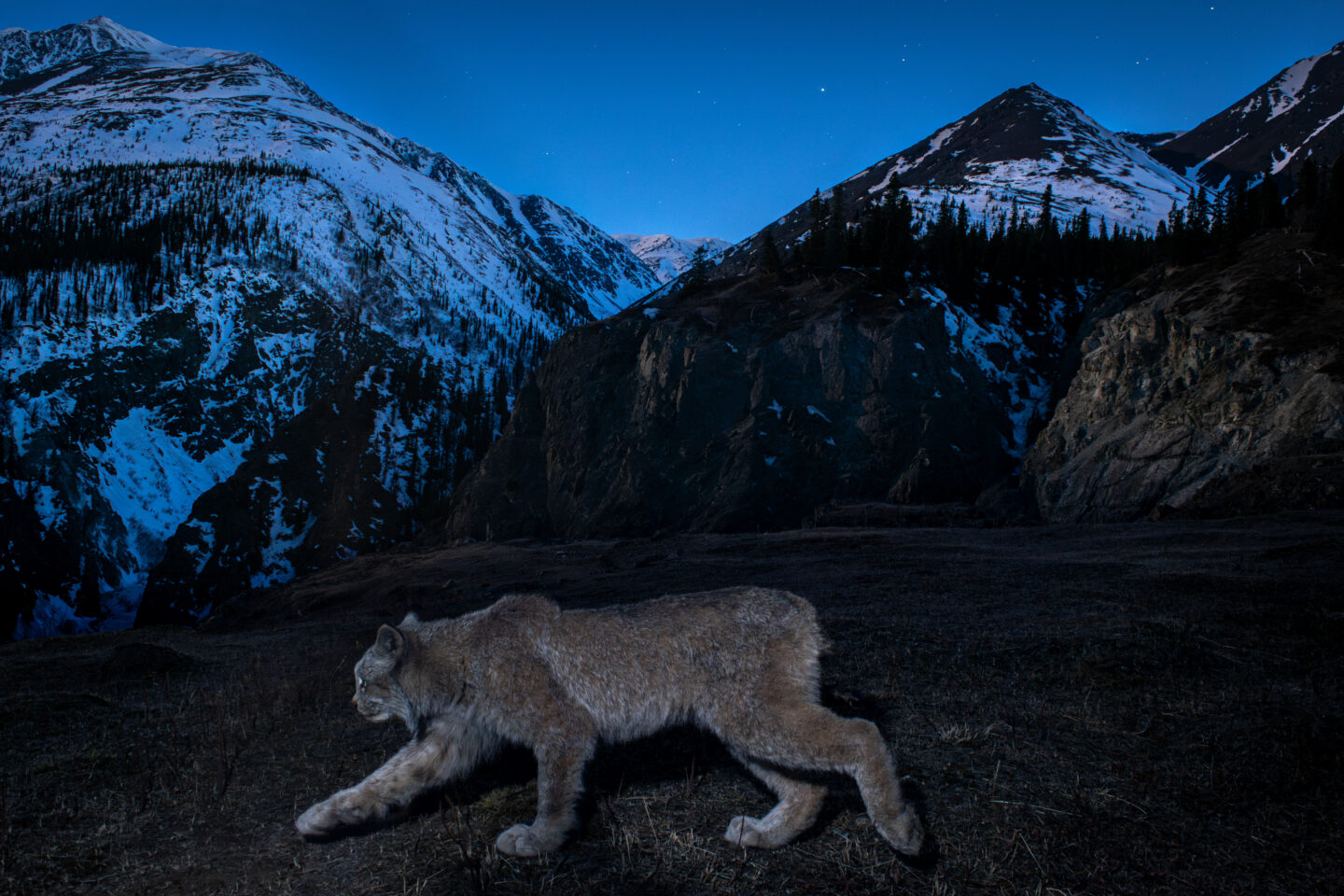
Species loss is often complex and interconnected. Chambers wonders if the decline in sheep is linked with other changes he’s witnessed, such as fewer ground squirrels at Duke Meadows, near Burwash Landing. He also points to the relationship between snowshoe hares, lynx and Dall sheep. Snowshoe hares in the Yukon experience cyclical population fluctuations over nine to 10 years, driven by interactions between hares, their predators and the availability of food. When hares increase, so do their predators, and when hares crash, the predators seek alternate prey.
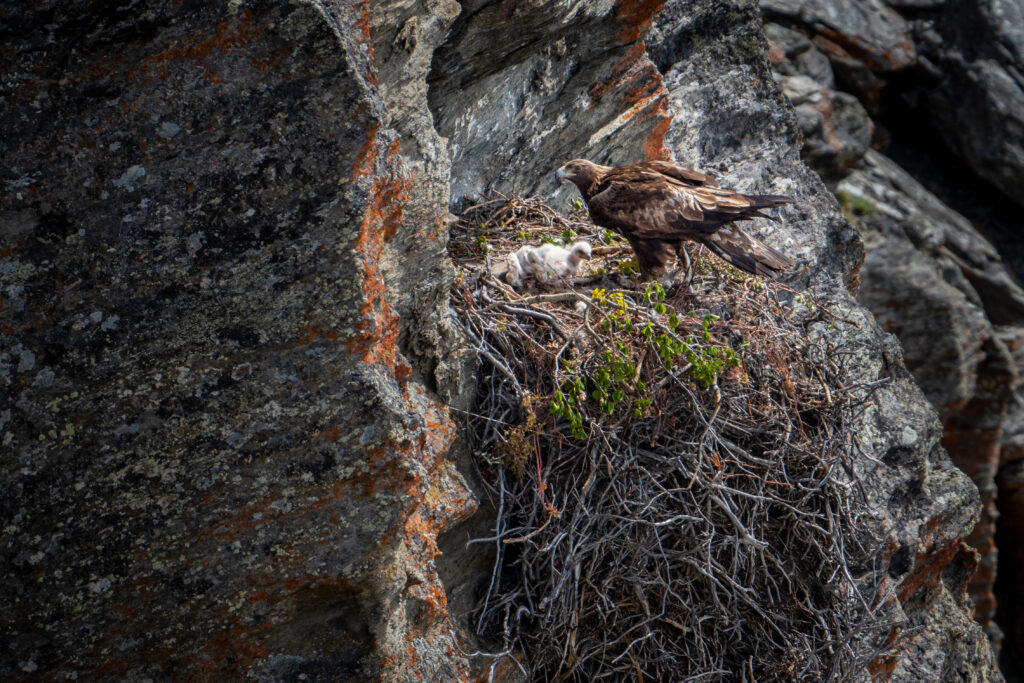
Chambers will never forget the day, while flying in a helicopter, he saw a ram fleeing down the mountainside, leaping off boulders, desperately trying to shake off an adult lynx clinging to its back. The lynx hung on with huge paws. “Lynx will prey on sheep, but usually only during a tough rabbit time,” Chambers says. “And it has to be a good-sized lynx, too.”
Wong is working on a paper comparing long-term data of snowshoe hare populations in Kluane with the Thechàl Dhâl sheep surveys. Preliminary data shows a relationship between snowshoe hares and the number of lambs born, supporting Chambers’s observation that lynx and other predators prey on sheep in those tough rabbit times. Climatic trends, such as cold and delayed springs, are likely also compounding the issue, says Wong.
But Chambers doesn’t want to lay blame on one species. Western science and management tend to like their “villains,” he says wryly, but the problem isn’t predation from lynx or coyotes or golden eagles alone.
MÄY, “SHEEP” IN KLUANE, have always been an important provider to the Kluane First Nation, says Elder Mary Jane Johnson, who lives at Burwash Landing. We’re sitting at a picnic table in Khar Shan Nji Chu, Congdon Creek, campground on the shores of Łù’àn Män, Kluane Lake.
In a creation story told by her ancestors, Raven Man and Beaver Man travelled around the world, walking in opposite directions, making all the plants and animals and people, and imparting the laws of respect and gratitude. Beaver Man carried a spoon — carved from sheep’s horn — licking the spoon as he journeyed, until he’d nearly “licked right through it.”
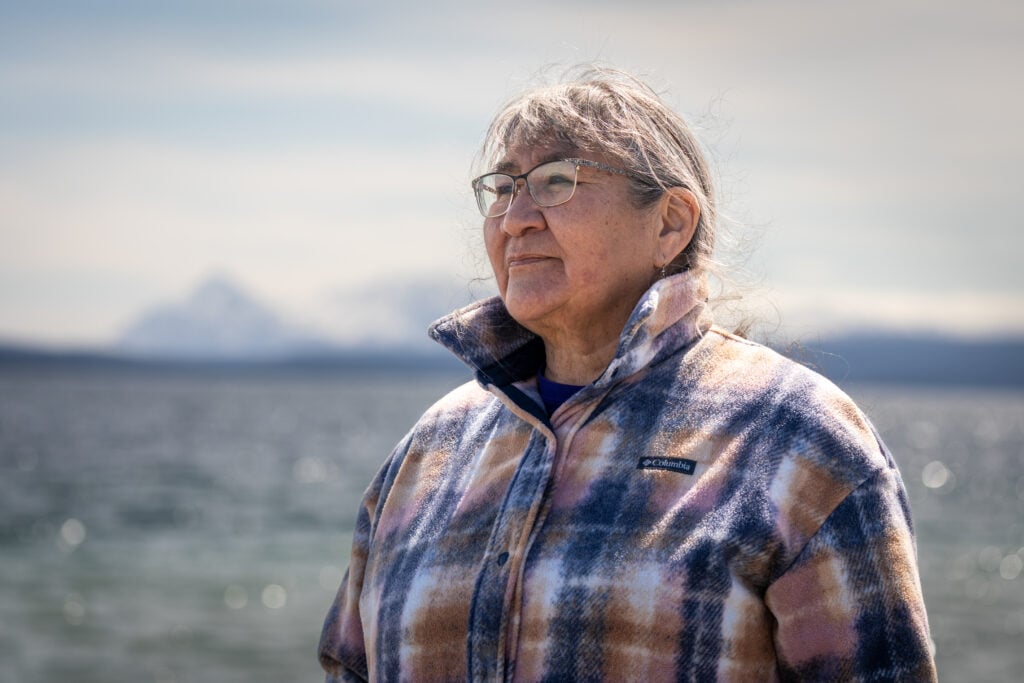
“In our grandma Copper Lily’s story, she said, ‘Gee, that Raven Man, he made this world so nice now that the non-Native people, they sure like it. They sure like it,’” says Johnson. As we talk, the campground is filled with RVs and tourists from across the continent. Kluane National Park attracts thousands of visitors who hike, camp and photograph the mountains, glaciers and Dall sheep. “But they don’t see that people live here and depend on the land and water,” she says.
If you want to understand the decline of mäy, says Johnson, you have to understand the wider geopolitical forces that shaped life in the valley over the last century. “The lake has provided food for our community for generations,” she says. “We are a part of the land and the water. All of the good salmon that my great grandmother ate … is in my DNA, too.”
The campground is just outside the park boundary along the Alaska Highway — a road built in 1942 without First Nations consent. The following year, the region became a designated game sanctuary, and the highway became a border, one that excluded Kluane First Nation from their traditional hunting grounds. Hunting west of the highway was a criminal offence. But sometimes the winds blew for days, and their fishing nets on the lake were too dangerous to reach. “We were raised up to break the law because we had to eat,” Johnson says. They hunted in the early hours of the morning to avoid being caught. She remembers crouching under a tree to hide from government airplanes.
“We are a part of the land and the water. All of the good salmon that my great grandmother ate … is in my DNA, too.”
Today, Kluane First Nation is able to fulfill their rights to hunt and gather on the land once again. But the nation is also on the frontlines of massive ecological changes in the valley — and the declining sheep are only one part of the story.
One morning in late May 2016, Johnson and her family drove 277 kilometres to Whitehorse. That same evening, they drove back to Burwash Landing and realized that the flow of water from the Ä’äy Chù River, Slims River, which pours into Kluane Lake, had disappeared. “We went ‘stop, stop. What happened to the water? Where’s the water?’” recalls Johnson. “People flew up over the valley and told us, ‘the water’s flowing the other way.’”
Scientists refer to the diversion of headwaters from one stream into another as “river piracy” — and the term quickly became favoured by the media, says Johnson. She doesn’t like its sensationalism. “River piracy,” she says, suggests the water was stolen.
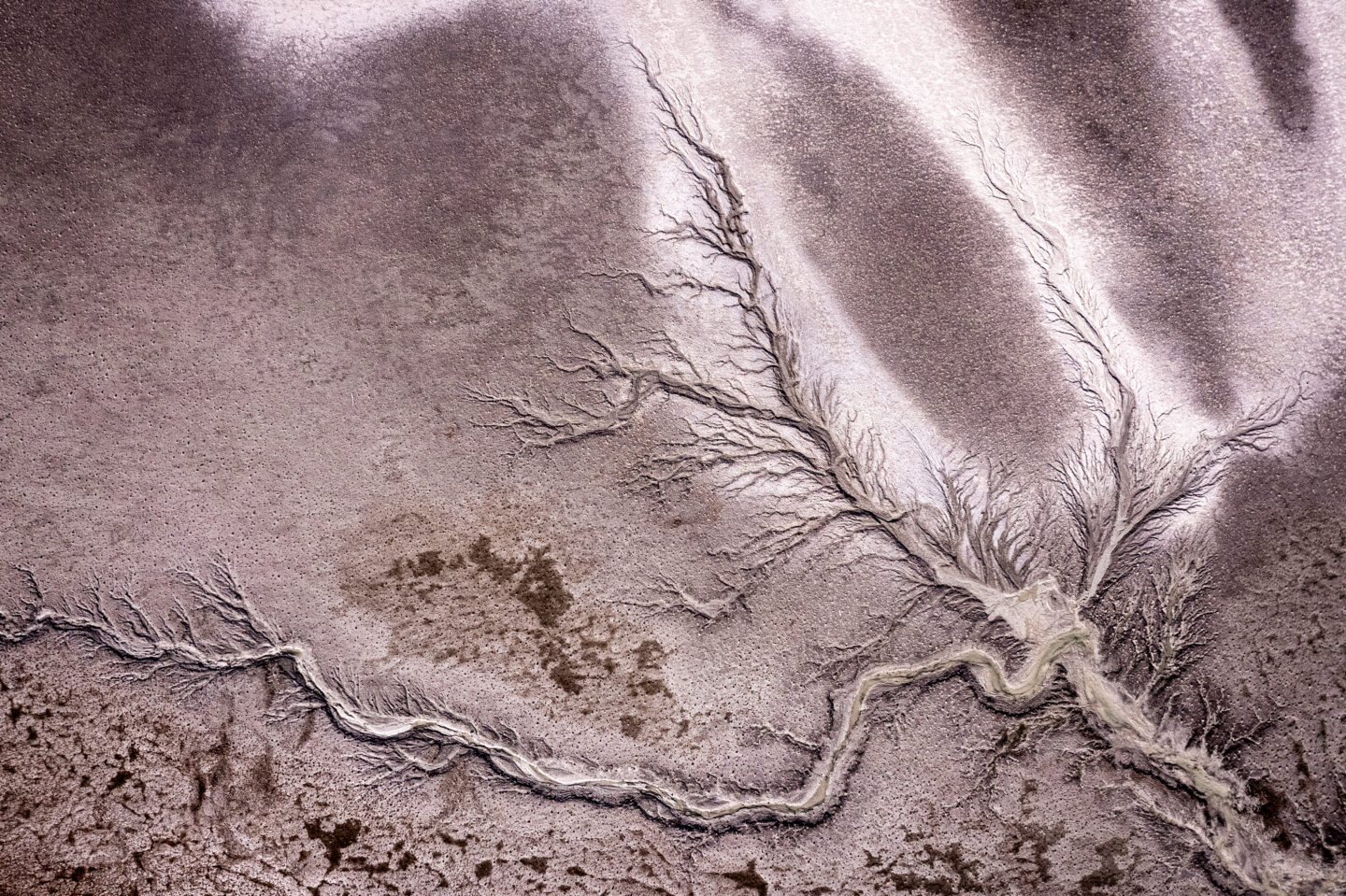
What actually occurred, due to a major warming event in the spring of 2016, was intense melting within the Kaskawulsh Glacier, which caused the glacier to retreat and changed the path of least resistance for the meltwater. Due to gravity, the water couldn’t flow over the lip towards the Ä’äy Chù River and, instead, began emptying into the Kaskawulsh River, eventually flowing into the Gulf of Alaska.
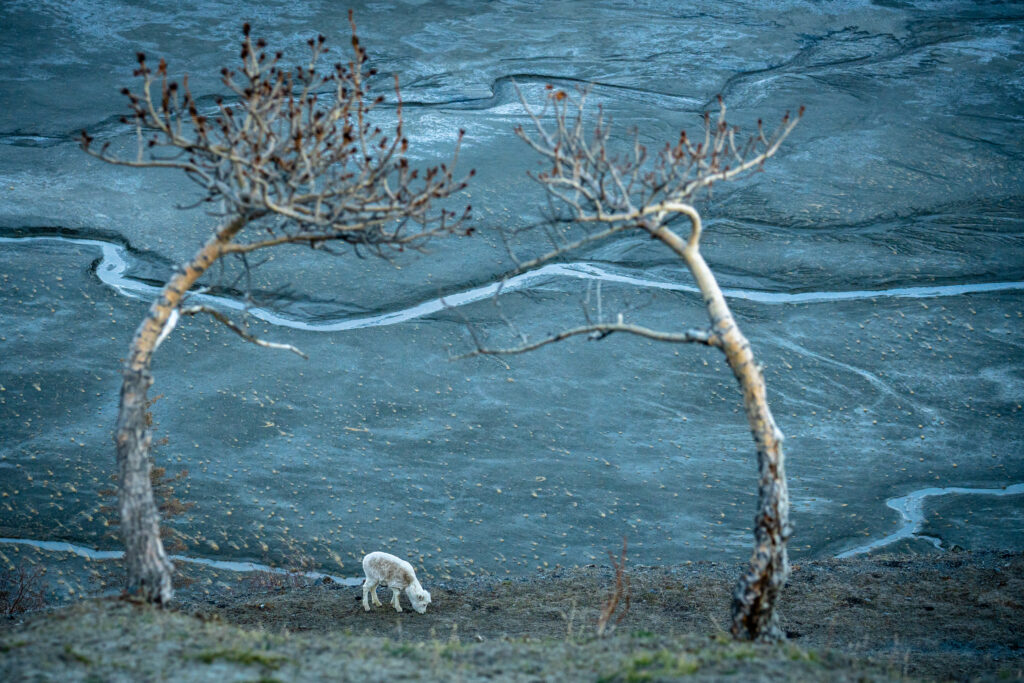
Since then, Johnson and her community have witnessed the rapid recession of Kluane Lake, with water levels dropping three metres. The once abundantly flowing Ä’äy Chù River is now an empty channel. The lake has shrunk so rapidly that parts of its bed are now exposed and former bays are now considered independent lakes. The receding lake has limited the nation’s ability to fish trout, whitefish and grayling, says Johnson. “We haven’t set out nets across the lake in years because the water has changed so much,” she says.
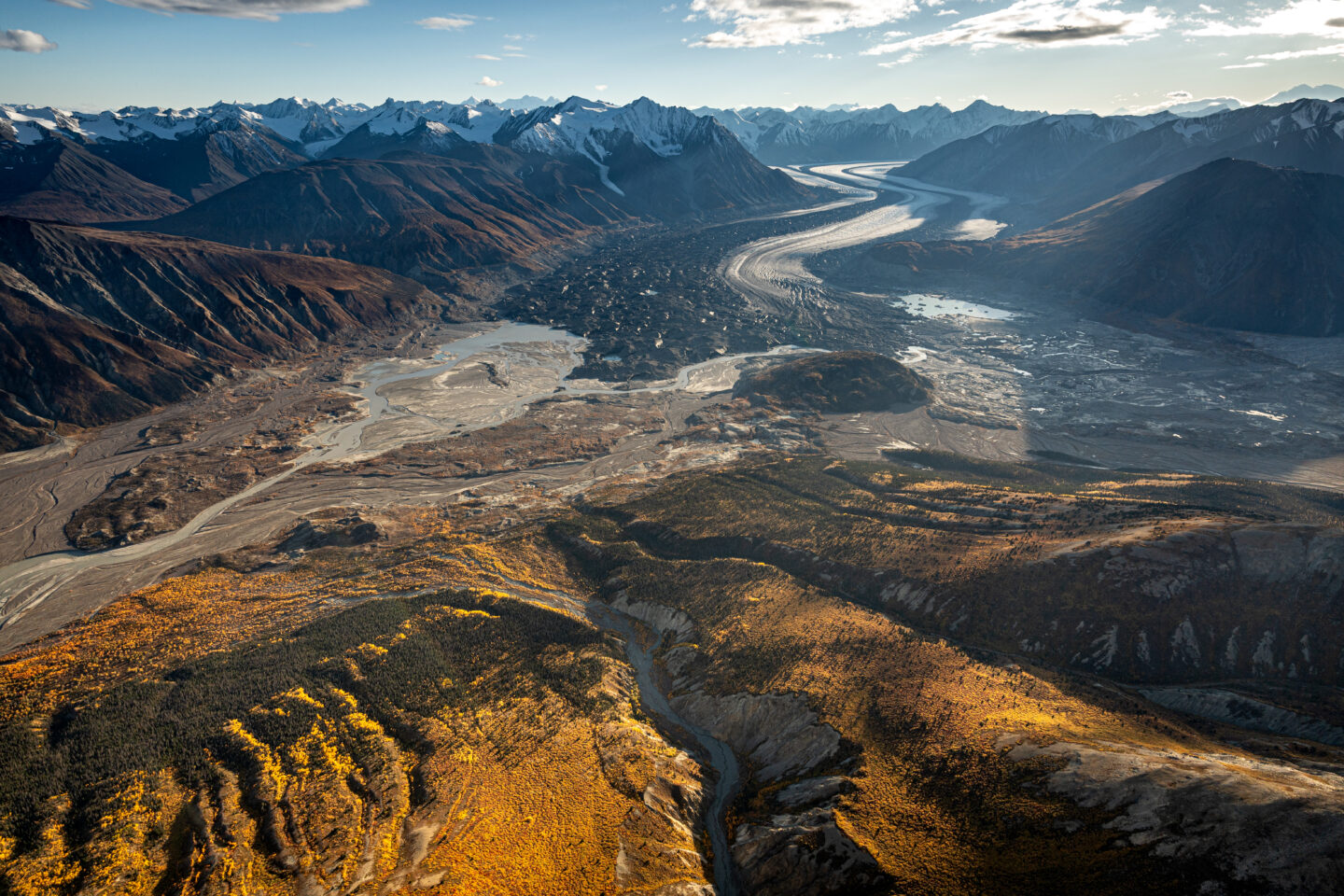
The drying Ä’äy Chù riverbed led to another major concern. Johnson wipes a finger across the picnic table, revealing a fine layer of yellow dust. It’s glacial silt and riverbed sediment carried by the winds from across the lake. “My house is like this every day,” she says. “We’re breathing this in. We may not see it right now, but I guarantee you it’s here.”
Johnson worries about the rising frequency and intensity of dust storms, barrelling down the dry riverbed, across Kluane Lake to Burwash Landing — threatening the health of not only people but sheep. Glacial dust settles on the sage, lichen and plant life on the mountainside. Dall sheep are consuming it. It’s a question that’s long been on the minds of biologists, too, says Wong. How is the dust affecting Dall sheep and could it be playing a role in their decline? A study from 1982 found consuming dust was accelerating tooth wear in sheep around Kluane Lake. But questions remain, says Wong, including whether the increasing dust is hurting the plants that sheep consume, the sheep themselves — or possibly both.
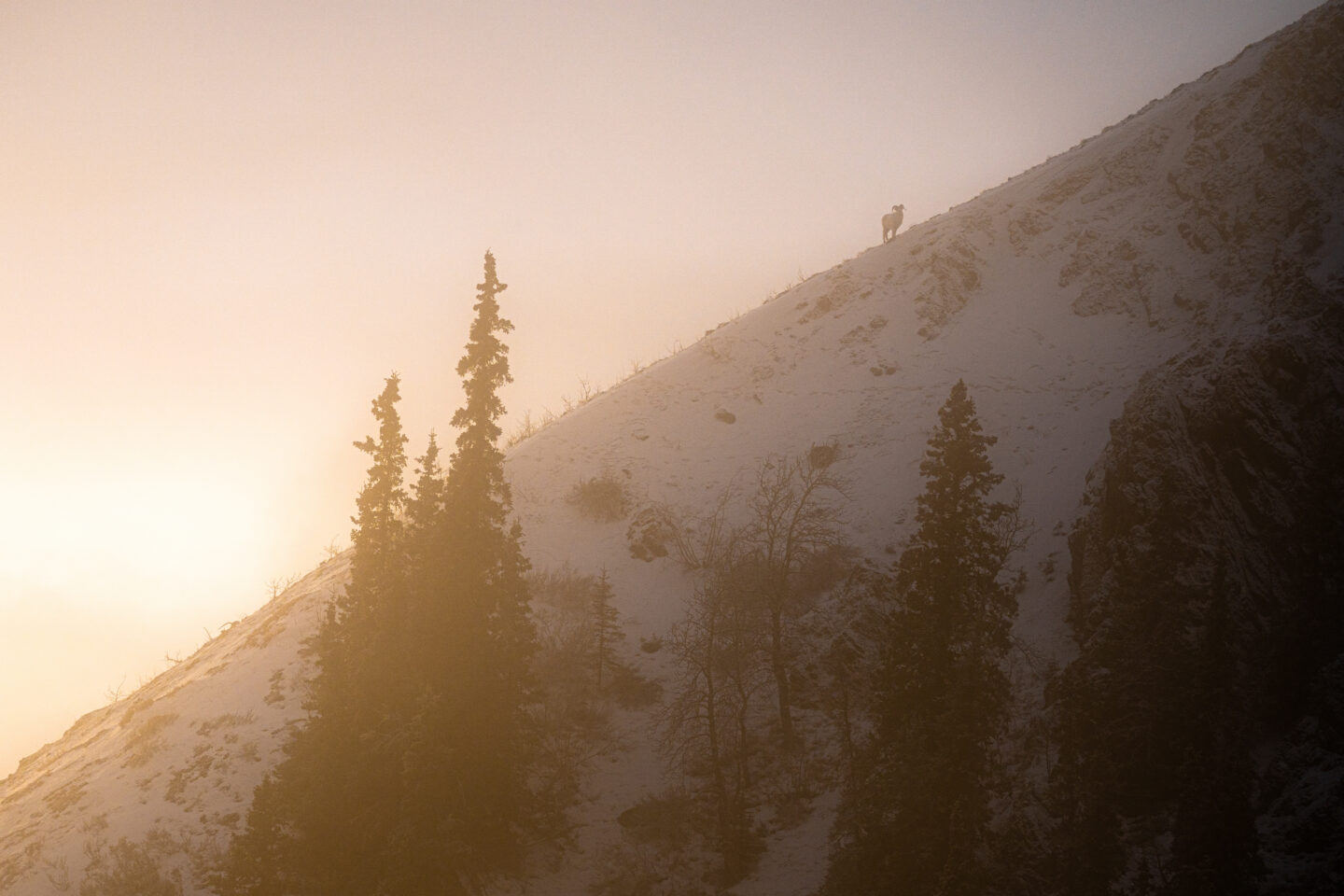
It’s a question that’s long been on the minds of biologists, too, says Wong. How is the dust affecting Dall sheep and could it be playing a role in their decline? A study from 1982 found consuming dust was accelerating tooth wear in sheep around Kluane Lake. But questions remain, says Wong, including whether the increasing dust is hurting the plants that sheep consume, the sheep themselves — or possibly both.
In 2024, researchers at the University of Montreal, including James King, published a study about dust accumulation on lichens around Kluane Lake. They found the highest concentrations of dust within one to four kilometres of the Ä’äy Chù riverbed. Beyond eight kilometres, the concentrations decrease by 50 per cent per kilometre. The study suggests dust could interfere with lichen photosynthesis and potentially reduce vegetation size. The chemical composition of dust could also affect nitrogen fixation.
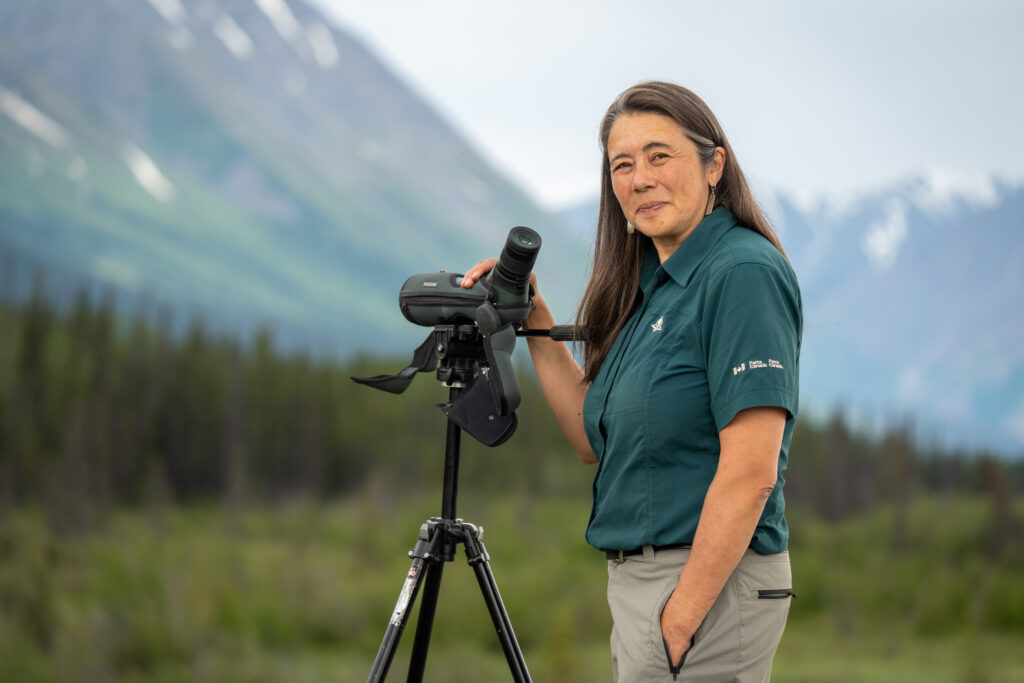
While researchers weren’t surprised to find arsenic in the dust (arsenic is commonly found in Yukon rivers, says King), they were surprised to find such high concentrations. A recent study by King and other researchers suggests levels are high enough that they may be harmful to humans. But the jury is still out on how dust will affect vegetation, Dall sheep and other wildlife in the long term.
Several years ago, one of King’s students, Marie-Pierre Bastien-Thibault, did a study on snowshoe hare hides harvested between 2011 and 2019. She found higher concentrations of arsenic in their hides after the “river piracy” event than before. Interestingly, PhD student Sophia Lavergne later found a correlation between cortisol (stress hormone) and arsenic levels in the samples, which potentially points to how the dry riverbed is creating increased access for predators to travel and hunt.
The results provide more “hints” that the river switch, along with the dust, are affecting vegetation and wildlife, says King. “It’s not necessarily one thing in particular that’s tipping things over [for sheep], but it could definitely be a contribution of several factors,” says King.
For Kluane First Nation, the decline of mäy is having devastating effects on their food security, says Johnson. They’ve asked their members to refrain from hunting on Thechàl Dhâl and have cancelled the sheep hunt lottery in Kluane Wildlife Sanctuary. In 2023, the nation asked non-Indigenous hunters to stop hunting in the Donjek management unit, where the population has decreased by more than 60 per cent. In response, the Yukon government issued a sheep hunting closure in the Donjek until Oct. 31, 2026.
As the water of Kluane Lake drops, food security is uncertain in Burwash Landing, says Johnson. Last winter, they accepted food donations — bison meat — from Haines Junction, but many Elders are not accustomed to eating bison. “They couldn’t eat it,” she says. “But if you give them sheep meat, everybody appreciates sheep meat.”
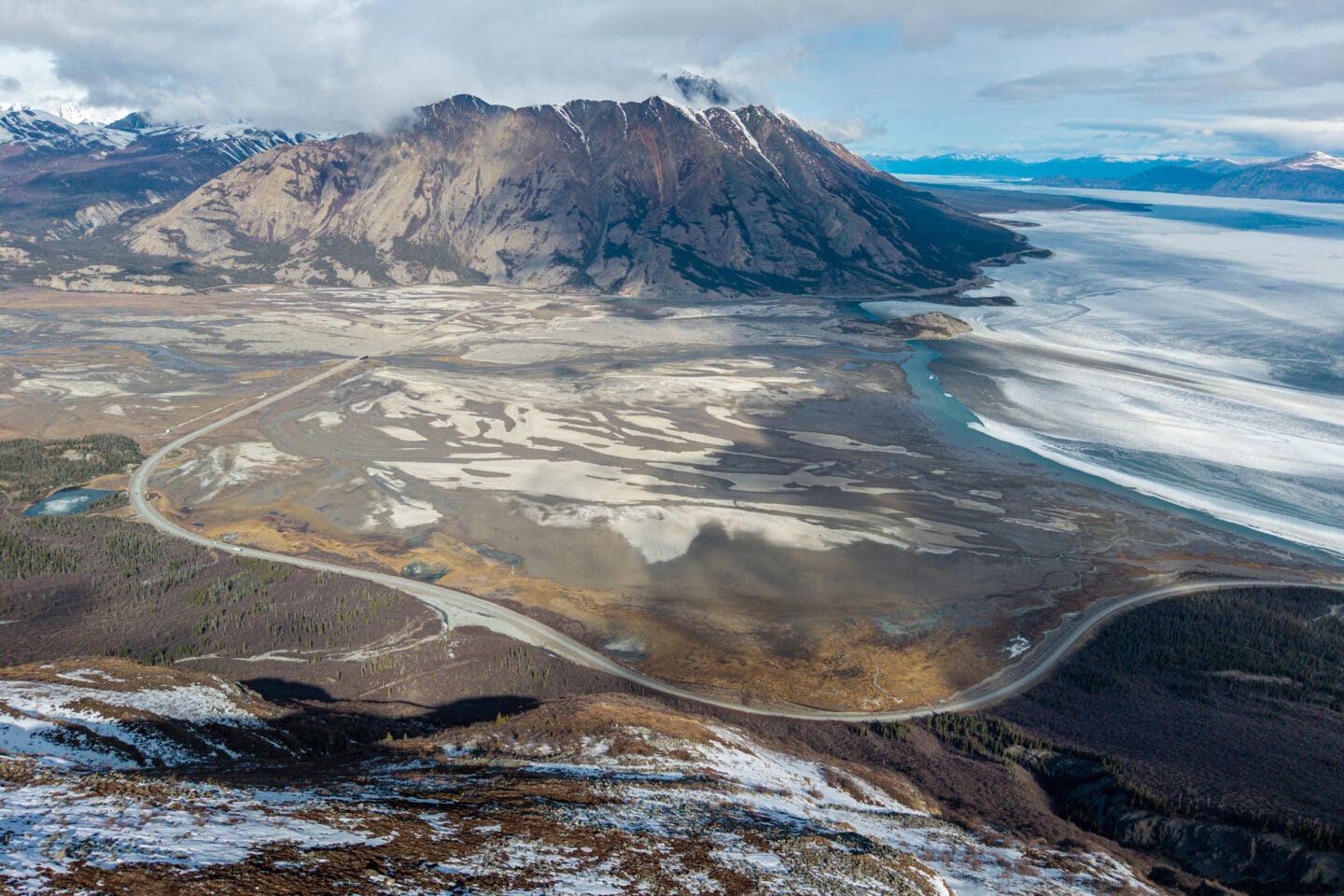
WHAT CAN WE DO when declines are caused largely by climate change? On a practical level, says Wong, Parks Canada and the surrounding First Nations communities are trying to reduce other stressors on Dall sheep in the Kluane region.
While Thechàl Dhâl is a hiking hot spot in the early spring due to a lower snowpack, Parks Canada closed trails in 2025 to protect sheep during the lambing season, when pregnant ewes and newborn lambs are most vulnerable. Surprise encounters with people — and, in particular, dogs — can lead to elevated stress levels and energy loss in ewes, who are at risk of miscarrying, and newborn lambs, who are fighting to survive.
Voluntary trail closures are becoming increasingly common in the Yukon, says Wong, pointing to other places, such as the Carcross region. “It seems to have increasing public compliance across the territory — it’s great that people care,” she says. Parks Canada has also worked with Yukon Highways to reduce speeds from 90 to 60 kilometres/hour and install a flashing road sign near Thechàl Dhâl. Road collisions are rare, says Wong, but they can have devastating consequences for herds.
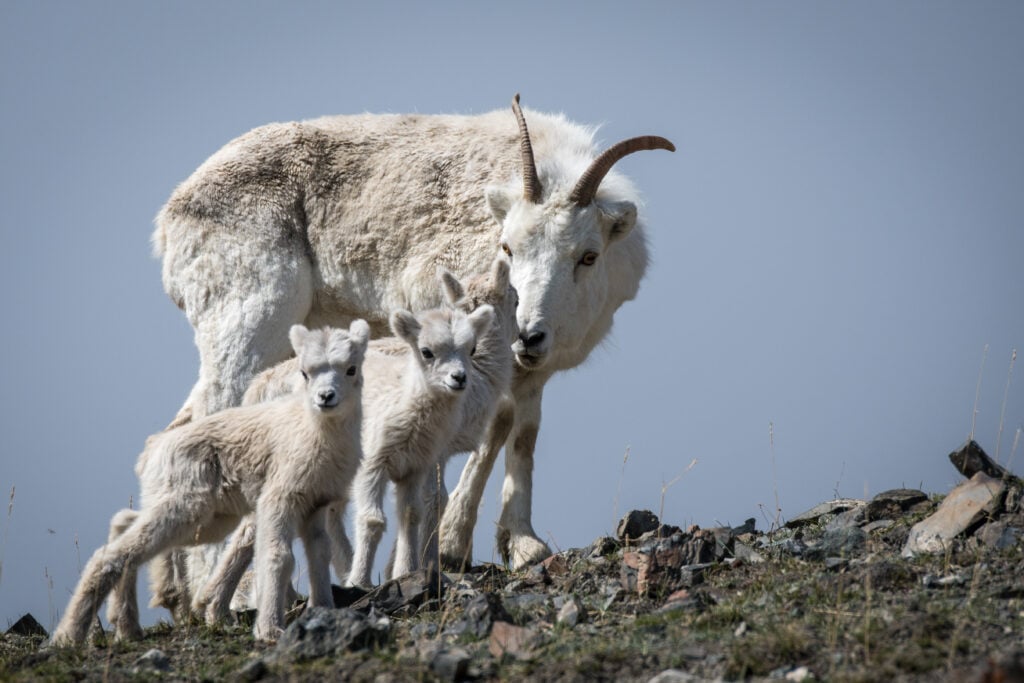
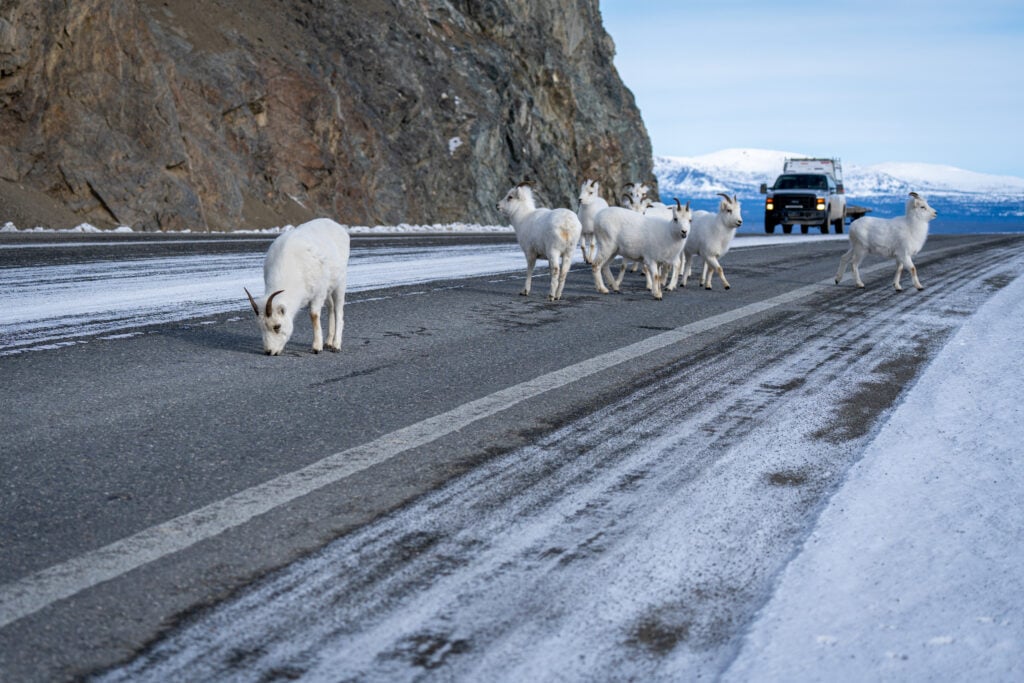
In 2018, a semi-truck collided with a herd on the Alaska Highway, killing at least eight sheep, including four ewes and two young of the year. The collision killed four per cent of the herd’s lambs and three per cent of the nursery group (ewes and juvenile males) — sudden, preventable, losses that Dall sheep can’t afford. “That really hit the nursery hard,” says Wong.
Part of the issue is sheep are attracted to road salt. Sheep use natural mineral licks to absorb minerals, including sodium, which aren’t readily available in their plant-based diet. The ewes need these minerals to produce lambs. Parks Canada experimented with creating artificial salt licks in hopes that sheep would avoid the highway, but results were inconclusive, says Wong. Other mitigation methods are still being investigated.
Since the record-high declines in Dall sheep in 2023, Yukon stakeholder groups have sprung into action, says Wong, forming a regional sheep working group for southern Yukon, including the Yukon government, First Nations communities and the Fish and Wildlife Management Board. The goal is to create a management plan in 2026. Recently, Wong’s team flew surveys of the Thechàl Dhâl herd and while the adults haven’t yet recovered, her team counted 60 lambs, which put the future in a “brighter light.”
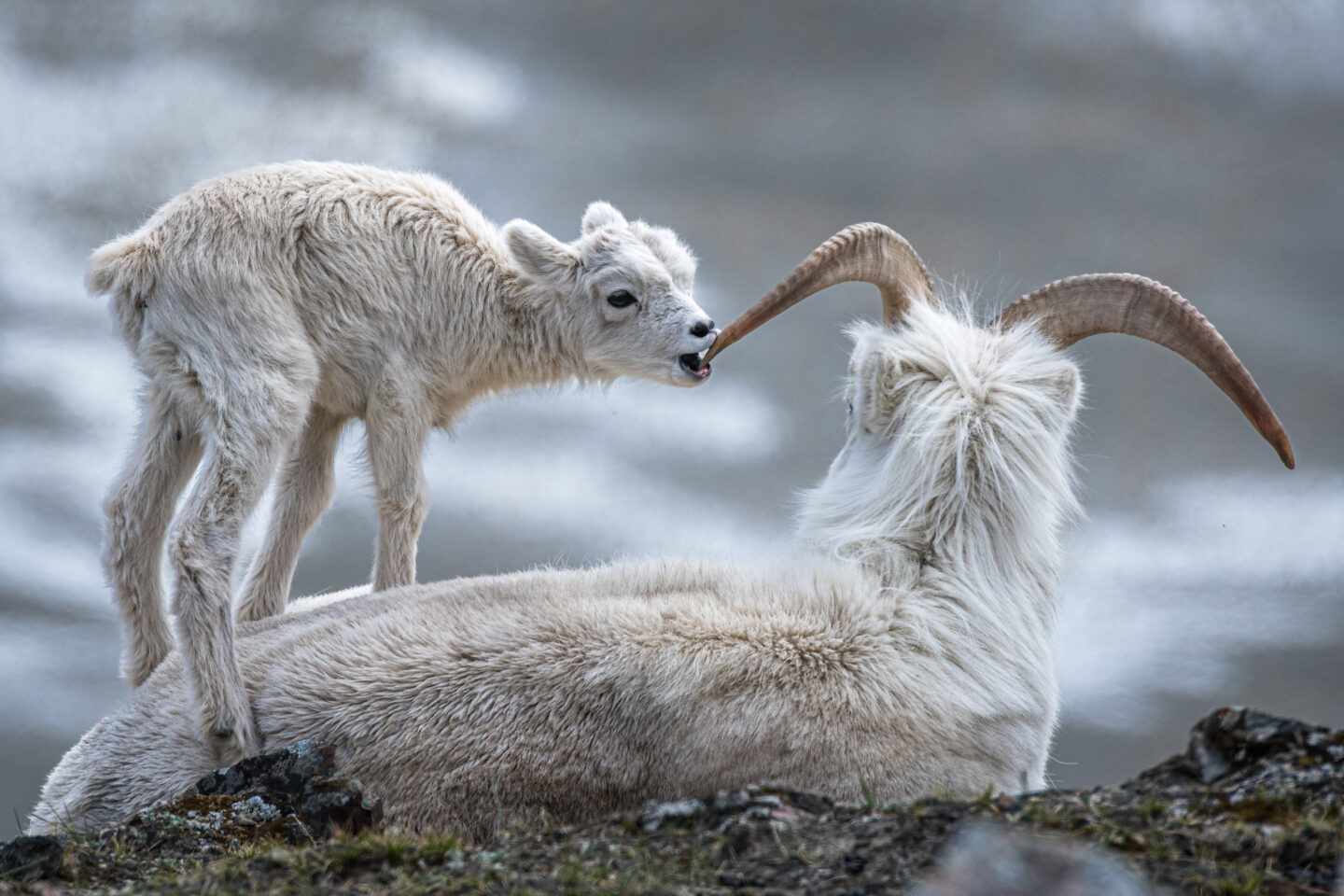
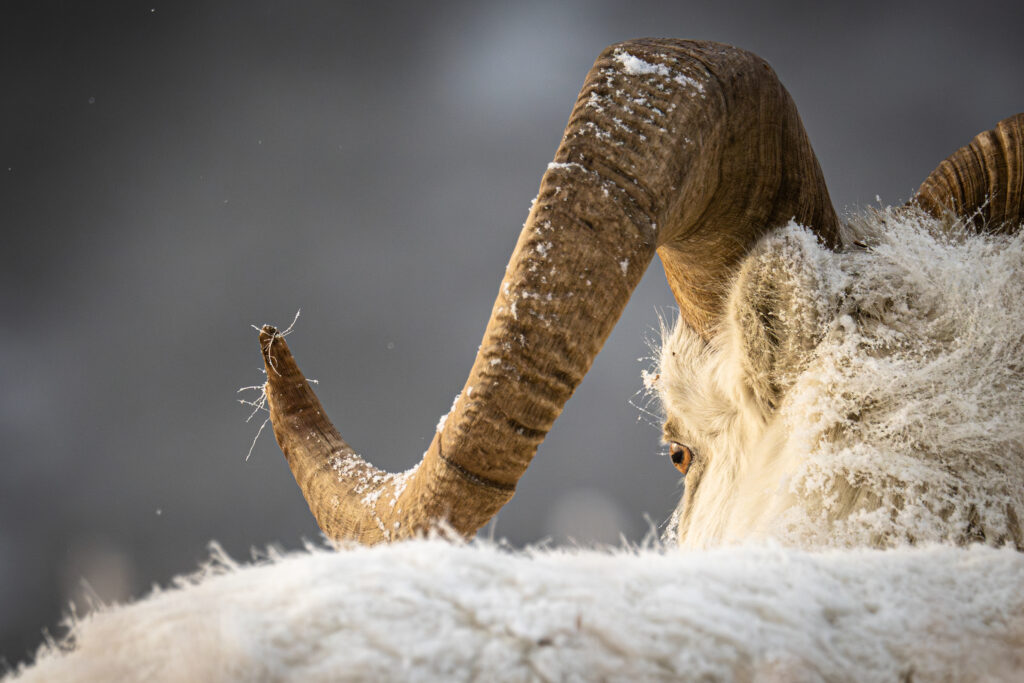
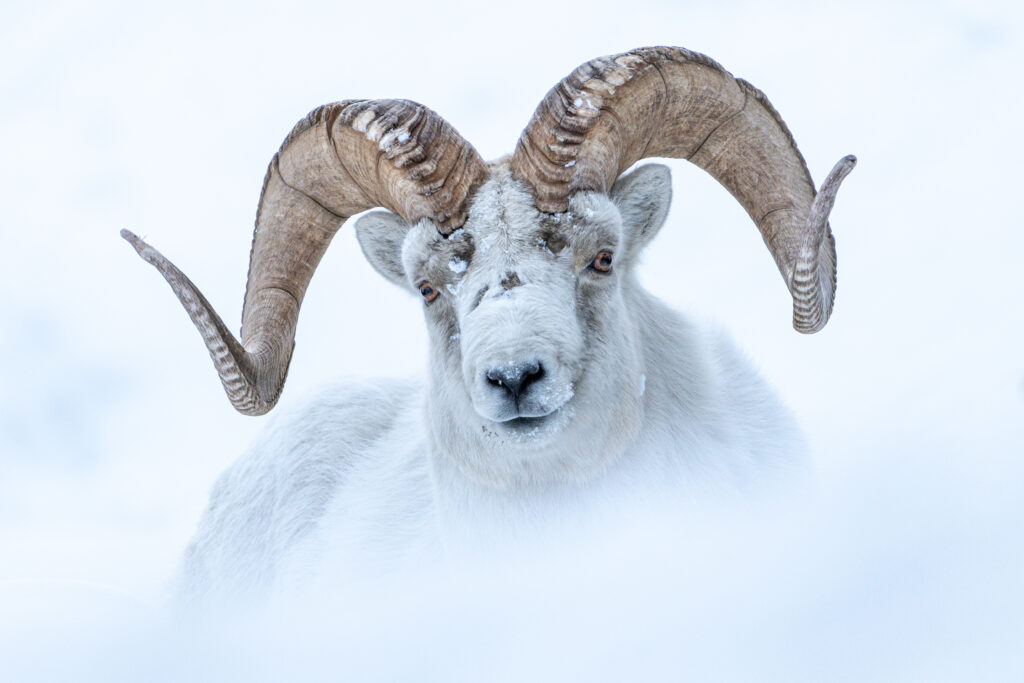
Chambers is pleased to see more Indigenous representation in these conversations. “Mbay is making a comeback in its broader value — its cultural value,” he says. “I feel strongly about that.” Sheep are, once again, being understood for their significance in food, ceremony and ecology — not only as “game animals” or trophies mounted on walls.
As I descend the Sheep Creek Trail, a trail along Thechàl Dhal with a view of the bone-dry Ä’äy Chù riverbed, I wonder what the future holds for this valley, Dall sheep and the people who depend on them.
At the trailhead, I glance up and spot a ewe with her lamb standing on a steep ledge in the rocky cliff, looking down at me. The ewe is moulting out her spring coat. The lamb, probably no older than two or three weeks, clings to her mother’s legs, following her every move. She scales a rock four times her height and disappears behind the sharp rocks, hidden out of sight. Despite the odds against the lamb, I can’t help but feel hope for this symbol of resilience and ecological strength. They were born for this.
This story is from the March/April 2026 Issue
Environment
How the Sahtuto’ine Dene of Délı̨nę created the Tsá Tué Biosphere Reserve, the world’s first such UNESCO site managed by an Indigenous community
People & Culture
Remembering the world’s most beloved primatologist, whose groundbreaking research and tireless advocacy changed the way the world understands nature
Environment
Jane Goodall sits with John Geiger, CEO of The Royal Canadian Geographical Society, to talk about her global efforts to protect the great apes, the environment and the human community.

People & Culture
The legendary primatologist expressed her gratitude and happiness the chimpanzee way