Environment
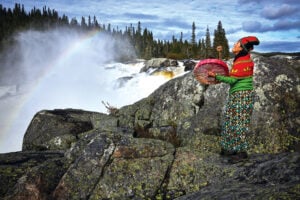
Inside the fight to protect the Arctic’s “Water Heart”
How the Sahtuto’ine Dene of Délı̨nę created the Tsá Tué Biosphere Reserve, the world’s first such UNESCO site managed by an Indigenous community
- 1663 words
- 7 minutes
History
Forty-five years ago, a group of Indigenous activists chartered two trains from Vancouver to Ottawa, a cross-country movement that changed the Canadian constitution
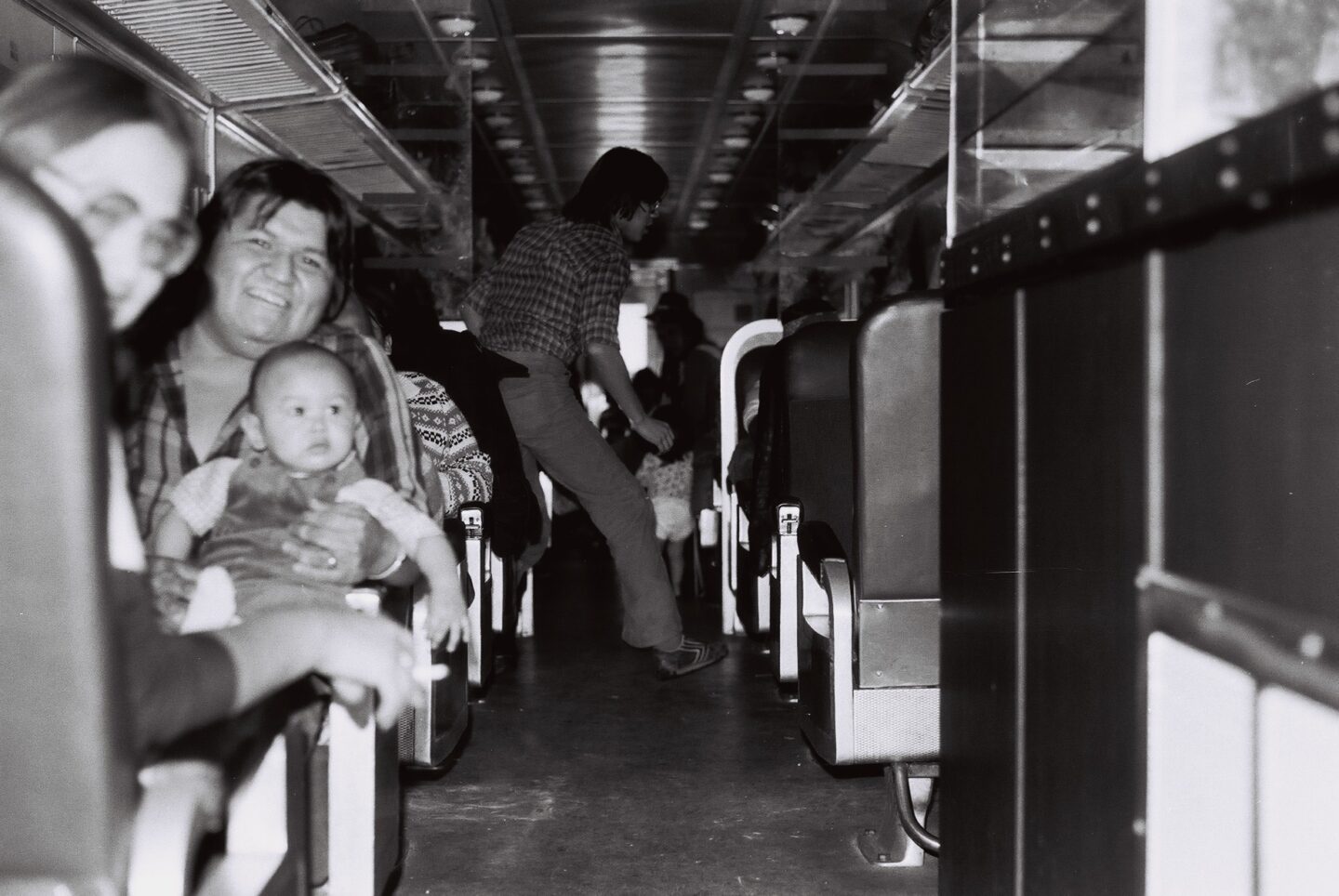
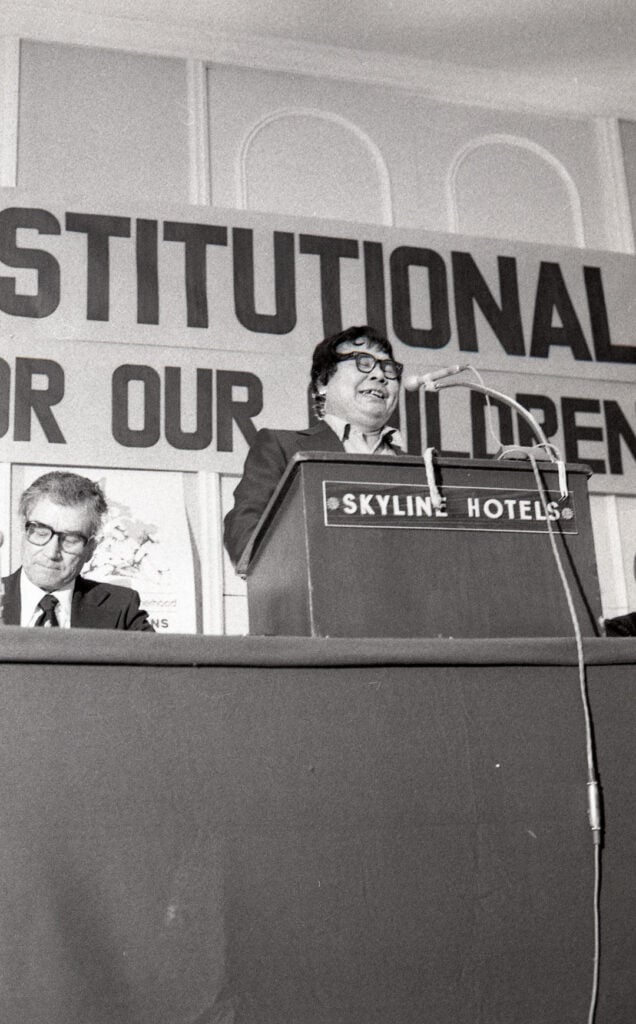
In September 1980, Grand Chief George Manuel, president of the Union of British Columbia Indian Chiefs, walked into his office holding an unmarked envelope containing a secret document. Louise Mandell, an Aboriginal and treaty rights lawyer who was at this emergency meeting, remembers Manuel removing the document from its jacket before handing it to a member of his legal team to read aloud.
The confidential memo revealed Prime Minister Pierre Trudeau’s proposal to patriate the Canadian Constitution, meaning Canada would be able to amend its constitution without permission from the Crown — and planned to do so without Indigenous consultation, undermining Canada’s responsibility to recognize and protect Indigenous and treaty rights.
“There is likely to be a major effort by Canada’s Native Peoples to win national and international support (especially at Westminster) for their stand against patriation,” the leaked cabinet briefing read. “If the Native Peoples press forward with their plans and if they succeed in gaining support and sympathy abroad, Canada’s image will suffer considerably.”
Manuel’s team was speechless. “George told us ‘This is the biggest threat to Indigenous people since the White Paper,’” Mandell says, referring to the 1969 policy that proposed the abolishment of the Indian Act.
The Union of British Columbia Indian Chiefs sprung into action following its fall assembly in Vancouver in mid-October 1980, where more than 100 chiefs gathered to protest the silencing of Indigenous voices. Chief Manuel was indignant when he spoke to the assembly. He proposed forming an Indian Government. “He called it Indian government. Not Indian self-government,” says Mildred Poplar, 88, from Old Crow, Yukon, who worked with the organization for more than 20 years. “The philosophy of Indian Government is to take over your own affairs, or take it back is more like it. He wanted to start rebuilding in the hearts and minds of the people that this is your land.”
His message caught on like wildfire. “They decided to take a train to Ottawa to confront the government,” says Poplar. The movement became known as the Indian Constitution Express.
Two trains were chartered for Ottawa, and people hustled to raise funds for the journey. They drummed on the streets and harvested mushrooms. They sold their furniture, livestock and handcrafts. They held bake sales and passed around hats. “It was just ordinary people [who] said, ‘I’ve got what I’ve got, I’ll give what I can, and I’m prepared to stand up for this,’” says Mandell. “That’s what was so powerful about the Constitution Express. It really was a grassroots movement in the purest sense of the word.”
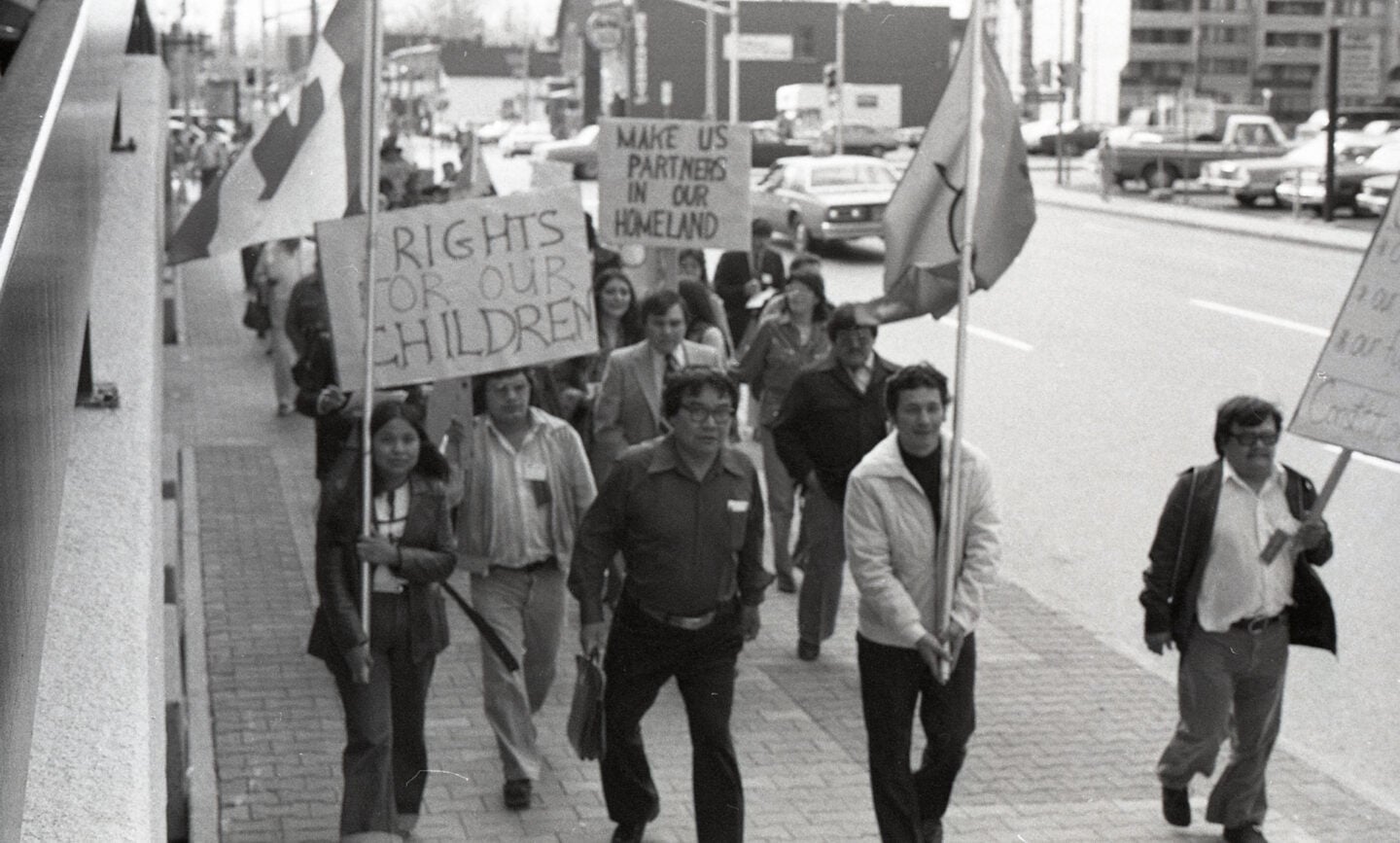
Momentum had been buoyed by the Indian Child Caravan — a parade of vehicles carrying about a thousand people from all over B.C. that had rolled into Vancouver two days before the fall assembly to successfully demand Splatsin jurisdictional control over their own child welfare program.
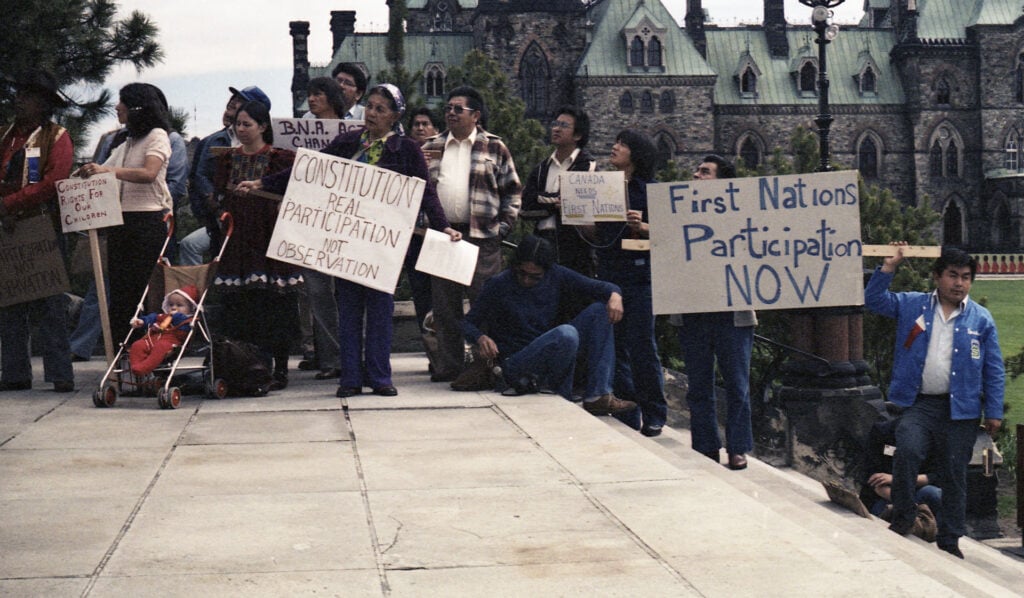
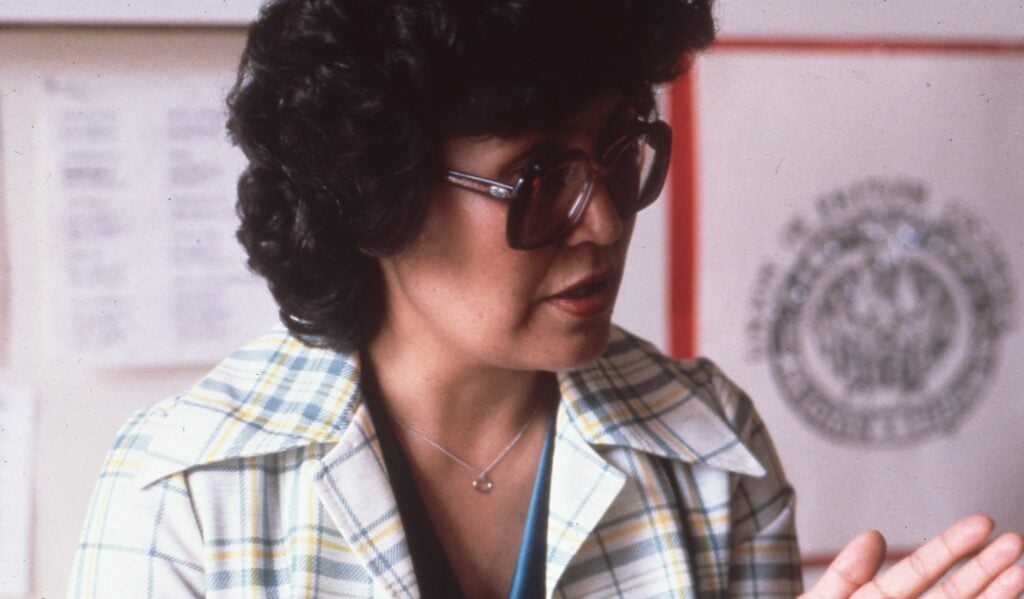
On November 24, 1980, hundreds of people gathered at Vancouver’s Pacific Central Station. Passengers piled into railcars destined for the nation’s capital to the sounds of drums, songs and prayer. Poplar spent the journey checking in on passengers, who remained calm despite what lay ahead. “They knew what we were up against,” she says, “and that we could lose everything if the constitution was brought back the way the federal government planned.”
The 4,400-kilometre trek took four days and picked up supporters along the way. Mandell greeted the one thousand adults, children and Elders who disembarked in Ottawa. She later wrote: “I felt this quality of love at the train station that day — a kind of happy light — holding together and splitting apart at the same time, like the act of being born.”
Chief Manuel had a heart attack, but it didn’t stop him from giving Mandell and others directives from his Ottawa hospital bed. They drew up a petition to the Queen outlining the legal case for Indigenous participation in patriation, as well as a bill containing an agenda for decolonization.
The petition and bill were hand-delivered to the governor general. The Express continued to the United Nations in New York and finally to Europe in November 1981, garnering international attention.
“People have to know how serious it was for our people,” says Poplar. “It was a critical moment.”
Adds Mandell: “To this day, I keep meeting people who thought about the train as being their kind of political enlightenment, where they woke up to the fact that they could stand up for themselves.”
In April 1982, the Constitution Act was enacted, including section 35, which recognizes and affirms existing Aboriginal rights — something that wouldn’t have been included without the sustained pressure and support that the Express ultimately achieved. It wasn’t the full acknowledgment of Aboriginal title, rights and Treaty rights the Union of British Columbia Indian Chiefs had petitioned for, but it was still progress, Grand Chief Manuel told his supporters.
In 1974, Manuel had founded the World Council of Indigenous Peoples, which acted as a powerful voice for Indigenous Peoples, with observer status at the United Nations, until 1996.
“He knew that one day, as the Indian people move forward, they’re going to be up against the government and Canadian society, and we would need political support outside of Canada,” says Poplar. “In that sense, the fight goes on.” Indeed, Indigenous rights are once again under threat from two major pieces of legislation — Bill 5 in Ontario and Bill C-5 at the federal level — which limit opportunities for Indigenous consultation and consent.
Manuel’s legacy inspired the next generation of Indigenous leaders. Four decades later, Manuel’s words still resonate with Indigenous Peoples around the world: “We must take back our lands. That is the fullest expression of our right.”

This story is from the November/December 2025 Issue
Environment
How the Sahtuto’ine Dene of Délı̨nę created the Tsá Tué Biosphere Reserve, the world’s first such UNESCO site managed by an Indigenous community
People & Culture
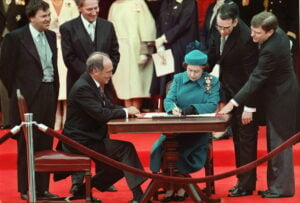
Proclaimed in 1982 by Her Majesty Queen Elizabeth II of Canada, the Canadian Charter of Rights and Freedoms is intended to ensure that all Canadians can live a life without discrimination of any kind. On the 40th anniversary of its proclamation, Mark Bourrie asks whether the goals of the Charter have been met when it comes to Indigenous people living in Canada.
Environment
In February 2021, the world was introduced to Mutehekau Shipu — also known as the Magpie River — when the people of Ekuanitshit, Que. and the regional municipality made a joint declaration granting the river legal personhood and rights. The declaration carries broad implications for the fight to protect nature across Canada and around the world.
People & Culture
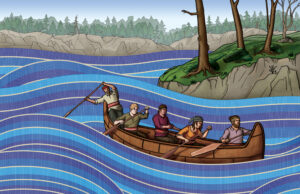
“We were tired of hiding behind trees.” The ebb and flow of Métis history as it has unfolded on Ontario’s shores