Environment
Oceans can be restored in the next 30 years, scientists say
Study outlines five actions to boost ocean productivity and biodiversity by 2050
- 1118 words
- 5 minutes
People & Culture
The marine ecologist explains why understanding the ocean is essential to protecting marine life and our future
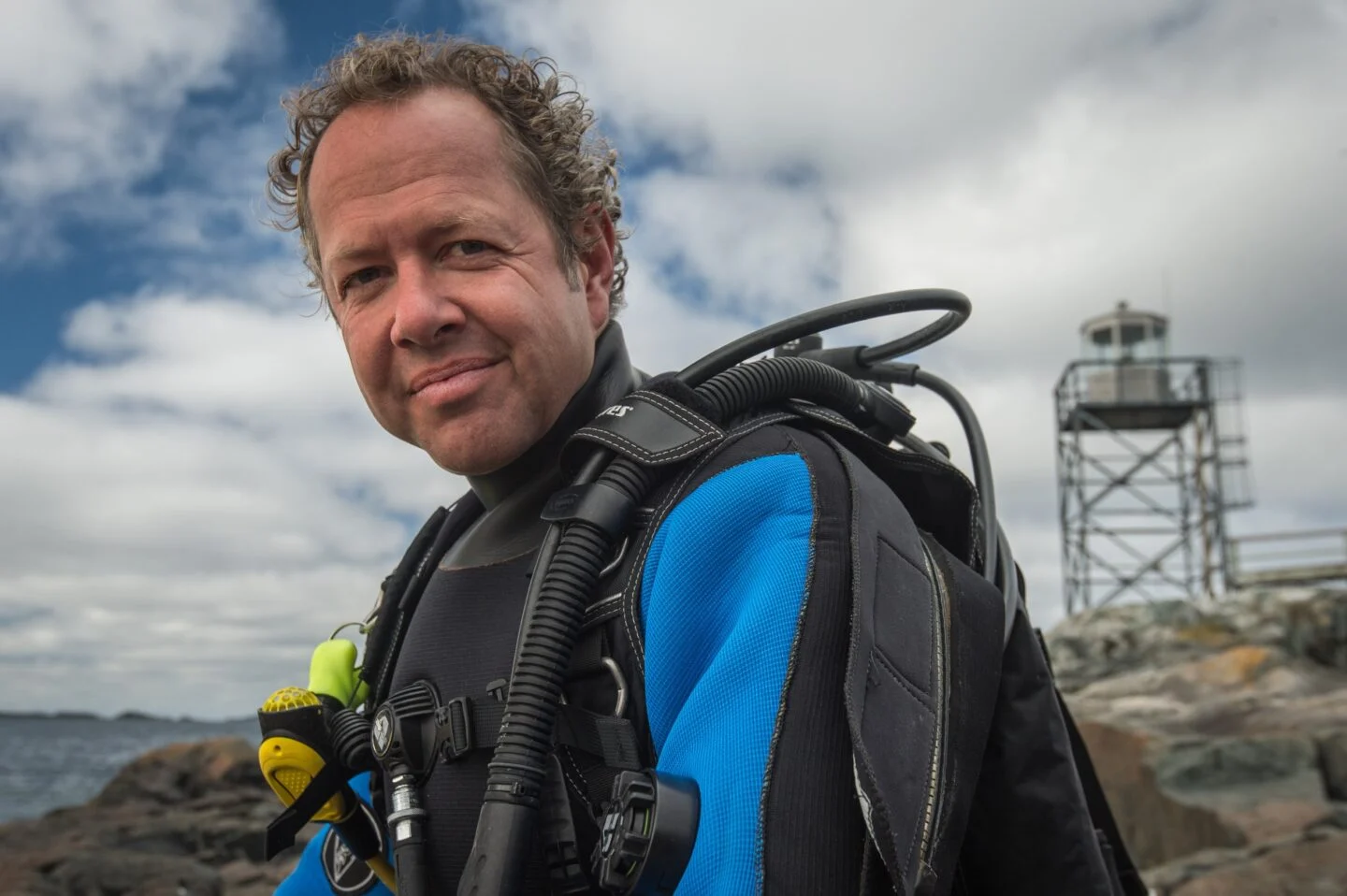
Boris Worm grew up transfixed by oceans and the curiosities they hold. That fascination drove him to become a marine ecologist. He earned his PhD from Kiel University in Germany before embarking on a journey that ultimately led to him becoming a professor at Dalhousie University in Halifax, where he studies the effects of fishing and climate change on marine biodiversity. He is also the co-founder and scientific director of Ocean School, a free online platform developed in partnership with the National Film Board that provides immersive ocean-themed learning experiences for students in grades 5-12.
I have a picture of myself as a three- year-old, being by the ocean and just out of my mind happy. And really, at the core, that’s when I fell in love with the ocean — even before I could probably speak. Apparently, water was the first word I used, and it’s stayed with me all my life. The more I learned, the more I saw how little we understand about our blue planet. And how important it is that we get a better handle on that relationship.
Marine science is a relatively recent branch of science. Indigenous people, thousands of years ago, made structured observations and held a lot of knowledge about the ocean. Aristotle was possibly the first western ocean scientist who did structured inquiry into marine lifeforms. But as a scientific enterprise, marine science is only about 150 years old. To me, all of that just adds to the draw of the ocean. We’re still discovering new species all the time. We are [not even] halfway through the task of finding what’s out there.
At the base level, I’m trying to improve ocean literacy, with kids particularly. And that means growing awareness of our connection to the ocean. A few years ago, I coined this term: “every second breath we take comes from the ocean.” That’s one way of talking about that connection — it literally happens every time we breathe. We breathe oxygen that was produced in the ocean. What we do affects the ocean, but the ocean [also affects] us in so many ways, most of which we are not even aware of.
I’m a hopeful person. And part of what I’m trying to convey to people is our sense of agency, individually and collectively — that we can make things better, and we are already making things better. Climate change and plastic pollution are issues that are not under control. We’re not there yet. But we have a lot of the knowledge and the resolve to really redefine our place on this planet. I think that will happen during our next generation.
This story is from the July/August 2026 Issue
Environment
Study outlines five actions to boost ocean productivity and biodiversity by 2050

Mapping
The slowdown of human activity as a result of the COVID-19 pandemic has led to some surprising benefits for wildlife conservation. Can we keep them going after the danger has passed?
Wildlife
Understanding the spread of non-native earthworms in northern Canada

People & Culture
After a total hunting ban was issued on caribou in 2013, Inuit across Labrador are sharing their experience and thoughts about caribou-related change