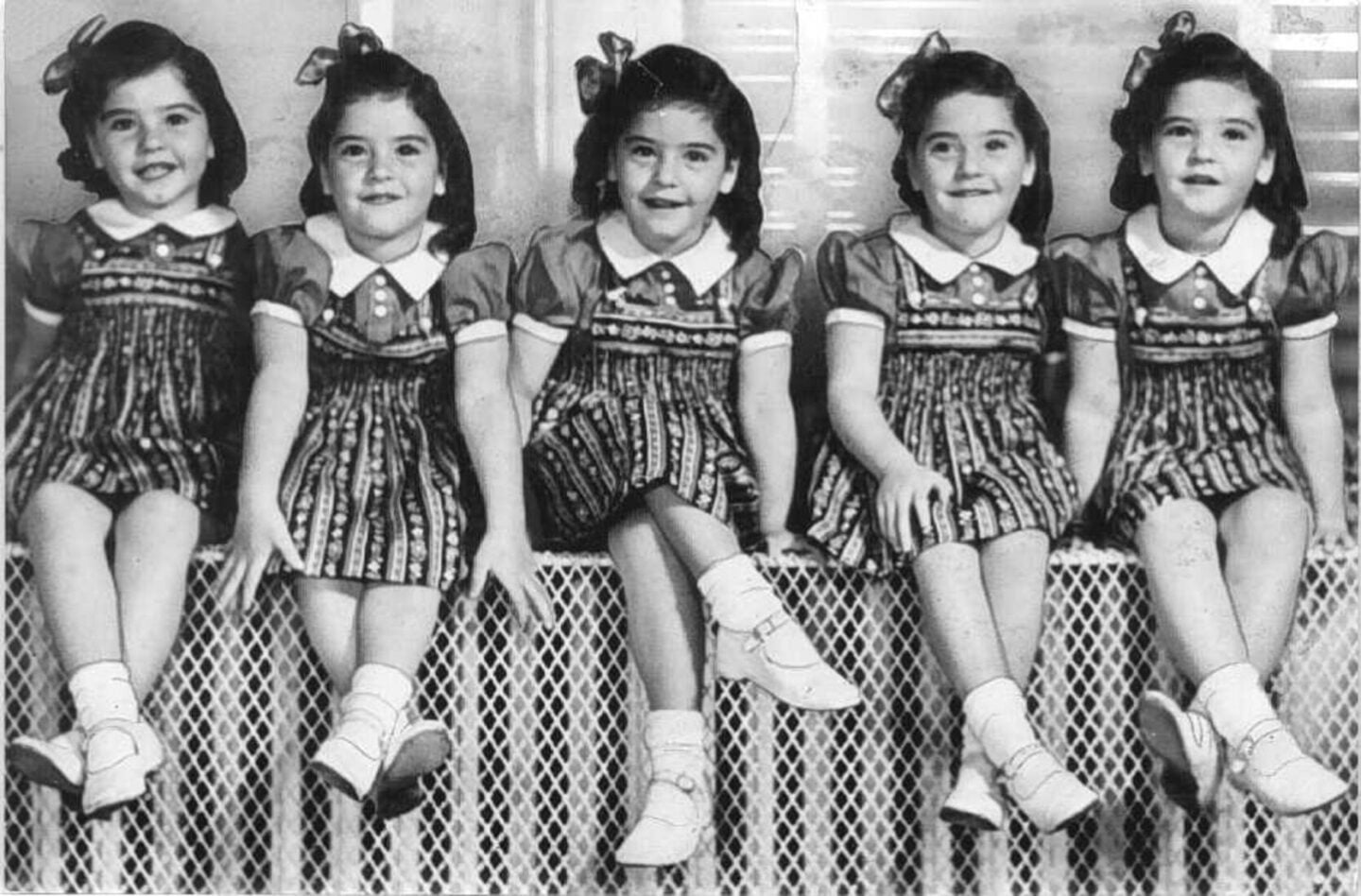
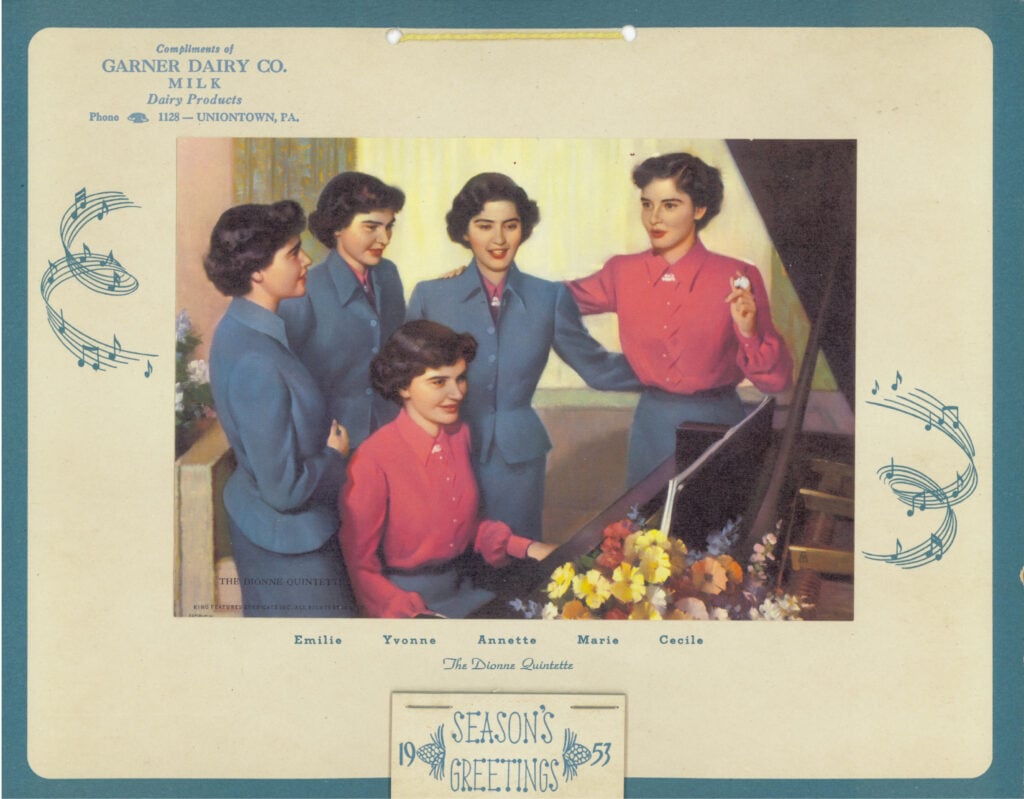
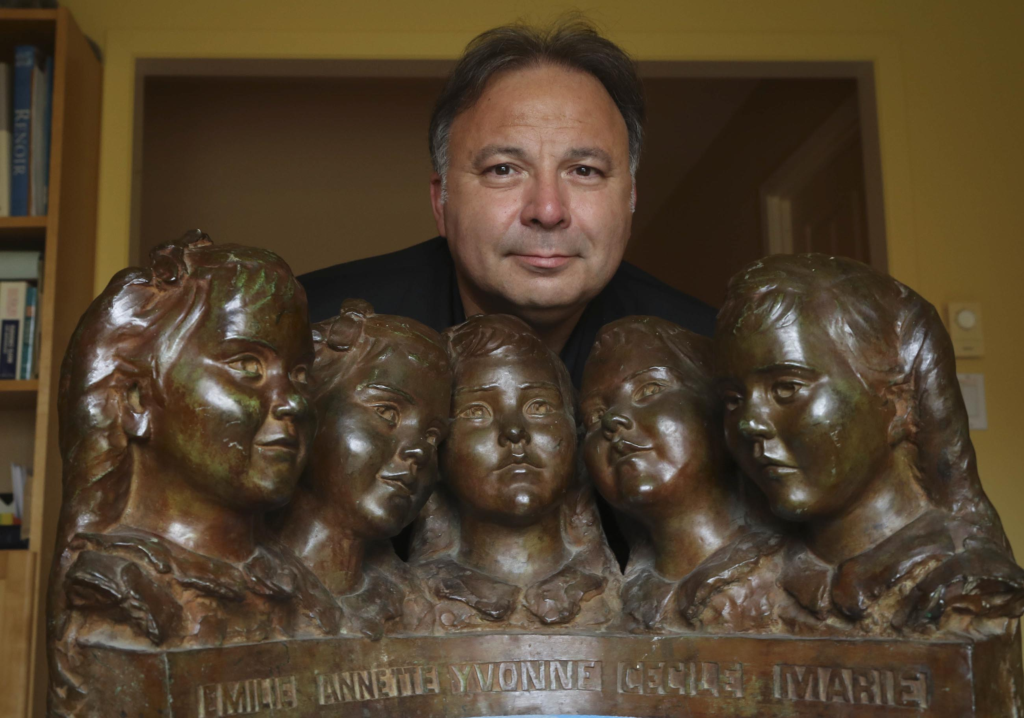
“Every conceivable expense was charged to the girls,” Tarini said. “Not just their care — but the entire tourist operation.”
The investigation revealed that the sisters’ trust fund paid for grandstands, landscaping, promotional materials, staffing costs, expense claims and even basic supplies used by tourists.
“Everything from the bleachers to the toilet paper was billed to the children,” Tarini said. “It was their money paying for the amusement park that exploited them.”
The trust fund, long portrayed as a safeguard for the sisters’ future, had been treated as a general operating account for Quintland. When the findings aired nationally, public outrage followed.
The pressure proved impossible for Queen’s Park to ignore. In 1998, the Progressive Conservative government of Premier Mike Harris reached a settlement with the surviving sisters, formally apologizing and acknowledging the province’s role in mismanaging their trust fund.
I remember standing in my kitchen on March 6, 1998, when my phone rang. I was at home in Montréal, on a day off, looking after my four-year-old son, when Tarini called me.
“Mike Harris flew to Montréal today,” Tarini told me. “He brought a President’s Choice coffee cake to share with the sisters — and handed them a $4 million cheque.”
That phone call took my breath away because after months of work, of digging into the archives, of mounting a talented team of experts, and reporting on all the twists and turns of the Dionne saga, the Ontario government acted.
CTV was not the only network that covered the story, but our coverage was part of a snowball effect of other media reporting on the story. Other reporters, including the Toronto Star’s Ellie Tesher, pursued the story in earnest.
When Annette Dionne died, I called Tarini to offer my condolences to him and the Dionne family. We reminisced about the era, about how hard he’d worked on behalf of the sisters, and about how journalism and the resulting public pressure led to a settlement from the Ontario government.
“Did they find peace, Carlo?” I asked him. “Yes, the settlement helped,” he replied.
Tarini said that the settlement did improve their lives. Each of the sisters bought a home of their own, they were able to live independently, their daily stress was eased. But he also said the damage created by being removed from their parents as infants, and the nine years they lived at Quintland, was a source of anguish that endured throughout their adult lives.