Wildlife
Punctuation’s mark: Can we save the critically endangered North Atlantic right whale?
After a series of mass deaths in recent years, what can we do?
- 4110 words
- 17 minutes
Wildlife
As climate change intensifies extreme events, new research reveals how animals are adapting — plus insights from meteorite impact craters and more

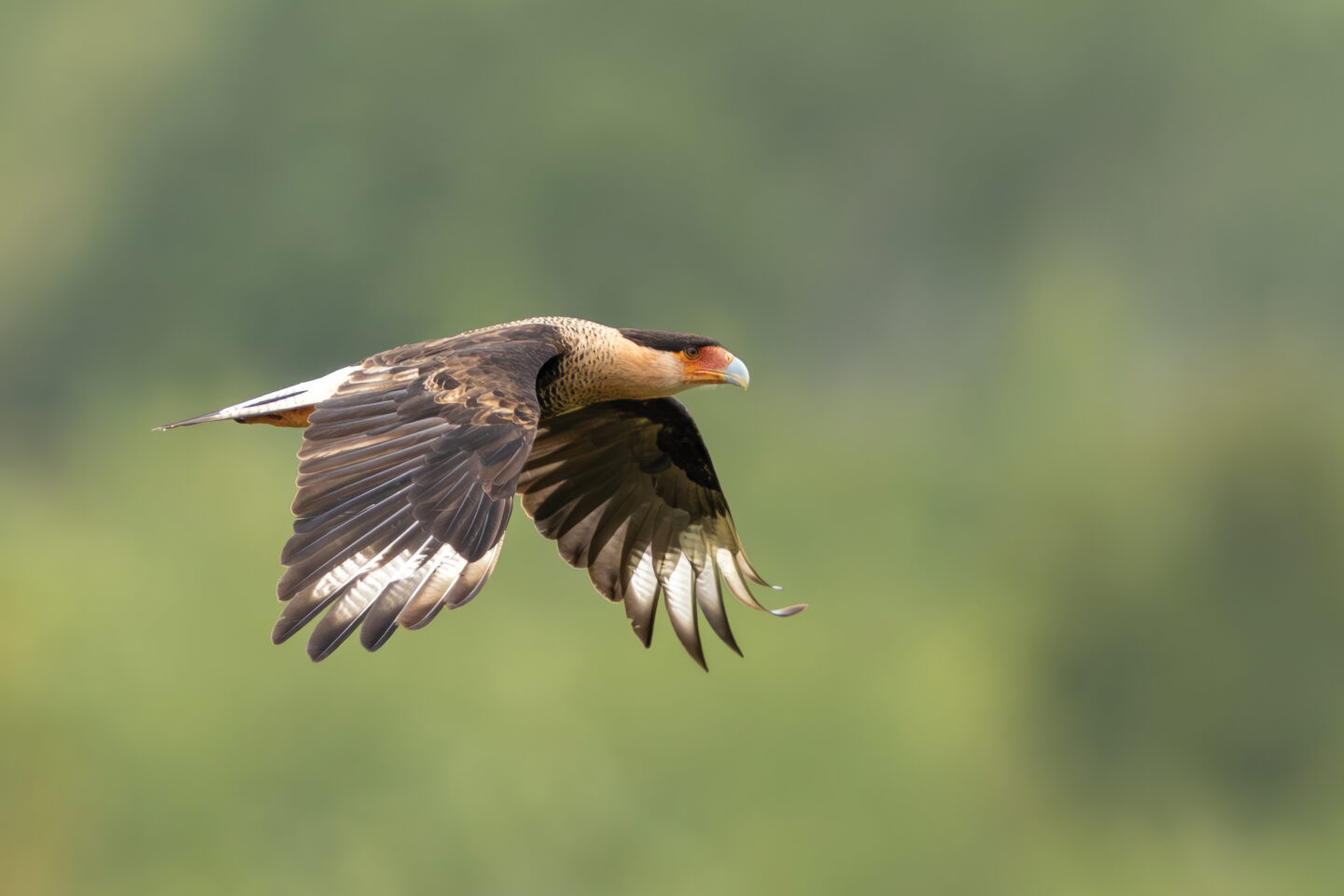
That’s how far north one crested caracara was outside its usual range when it was spotted in Foleyet, Ont., in September. Common in Central and South America, the bird is rarely seen north of the southern United States — and created quite the buzz among birdwatchers. Some travelled from as far as Toronto, a nine-hour drive, to check the crested caracara off their “life list.” The bird, likely a “vagrant,” was spotted feeding on dead animals at the town’s dump and may have been pushed out of its range by a hurricane or other major storm.
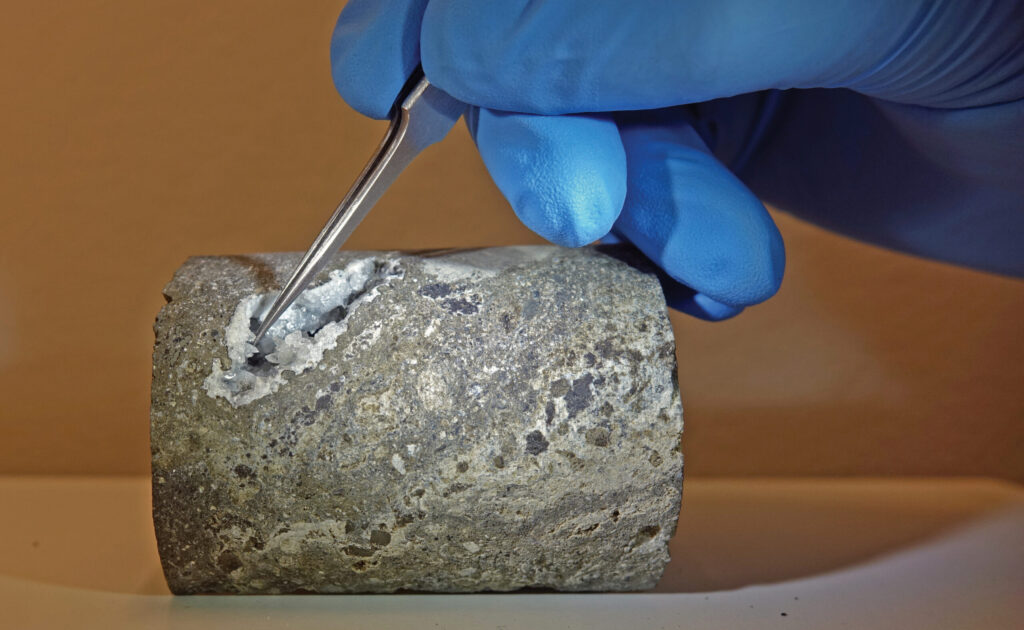
Meteorite impact craters could teach us how life on Earth may have begun, according to new findings from an international team of scientists. The 78-million-year-old Lappajärvi impact crater in Finland provides evidence that the “warm, wet, habitable environment” created by the crater allowed for microbial colonization to begin a few million years later. “It truly connects the dots for establishing life on Earth for the first time,” says Gordon Osinski, an Earth sciences professor at Western University.
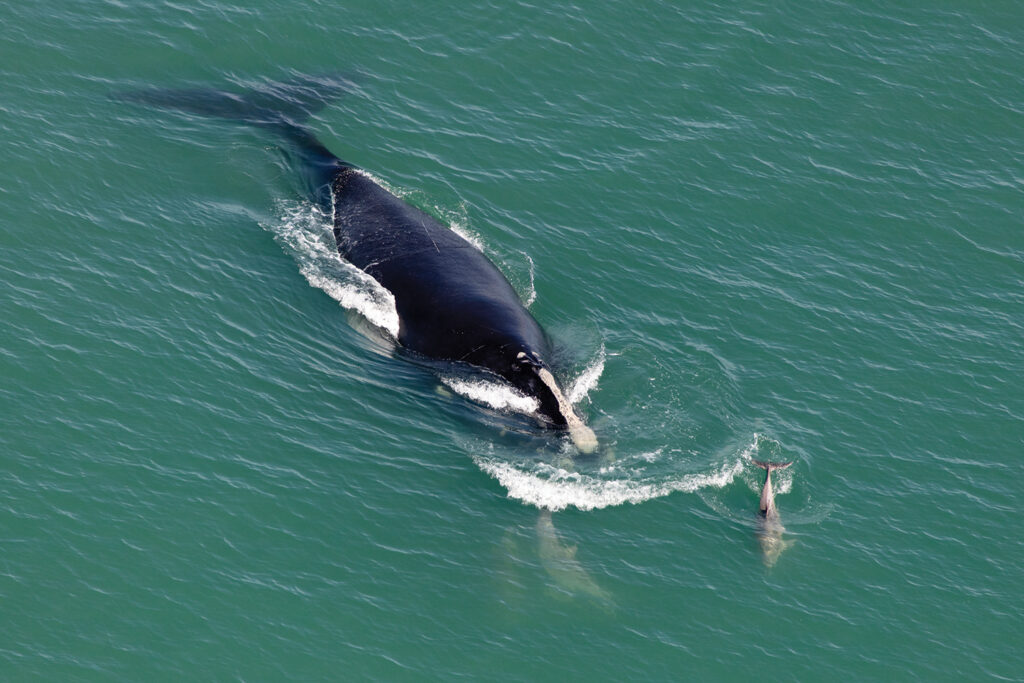
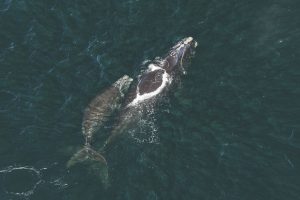
As changing oceans shift where endangered North Atlantic right whales congregate, the traditional management approach of limiting net fishing and ship speed in “known” whale zones might not be so effective. Instead, the key to conserving these marine mammals could be to track the movement of their tiny zooplankton prey. Scientists in New England are using statistical algorithms and historical data to model what they call a “pretty comprehensive image of where prey might be in the Northwest Atlantic.” By doing so, “we have a better shot of accurately predicting where [right whales] might show up,” says researcher Camille Ross.
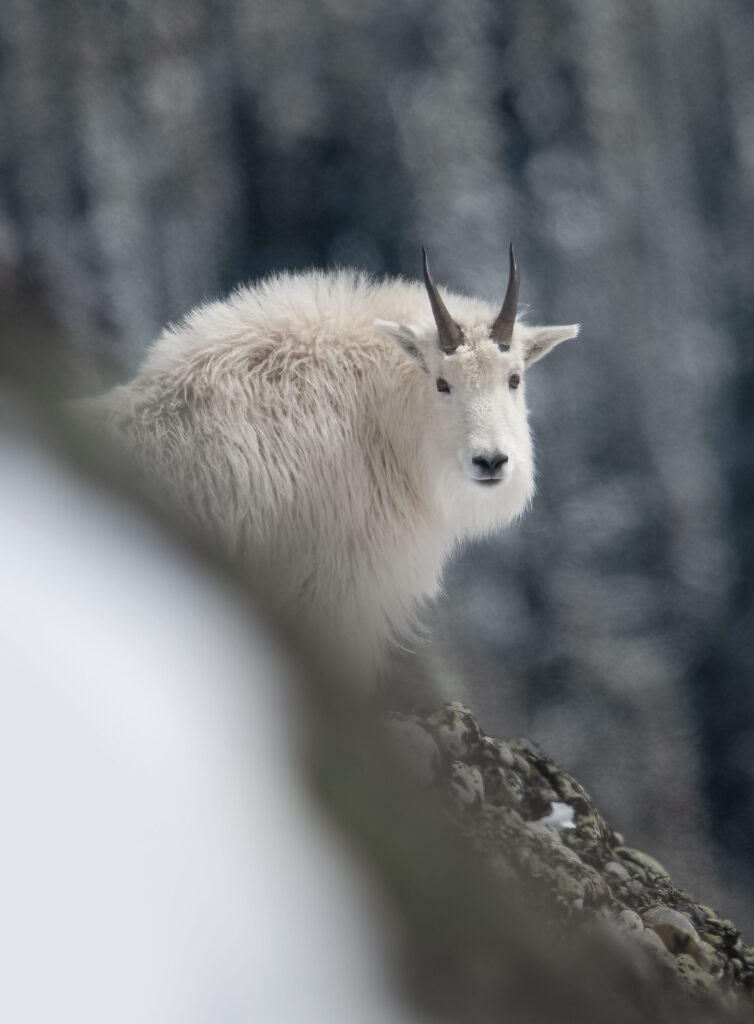
Moving up to 100 kilometres per hour and carrying hundreds of tonnes of snow and rock, avalanches are extreme in nature. So too is their impact on mountain goat populations, according to recent research from the universities of Victoria and Alaska Southeast. “In a single season, avalanches can elicit population declines that require more than a generation of recovery,” says wildlife ecologist and lead author Kevin White. For mountain goats, a high-elevation existence comes with trade-offs — steep mountainsides give respite from predators but come with the risk of avalanches. As climate change makes extreme events increasingly likely, this trade-off may no longer be so favourable.
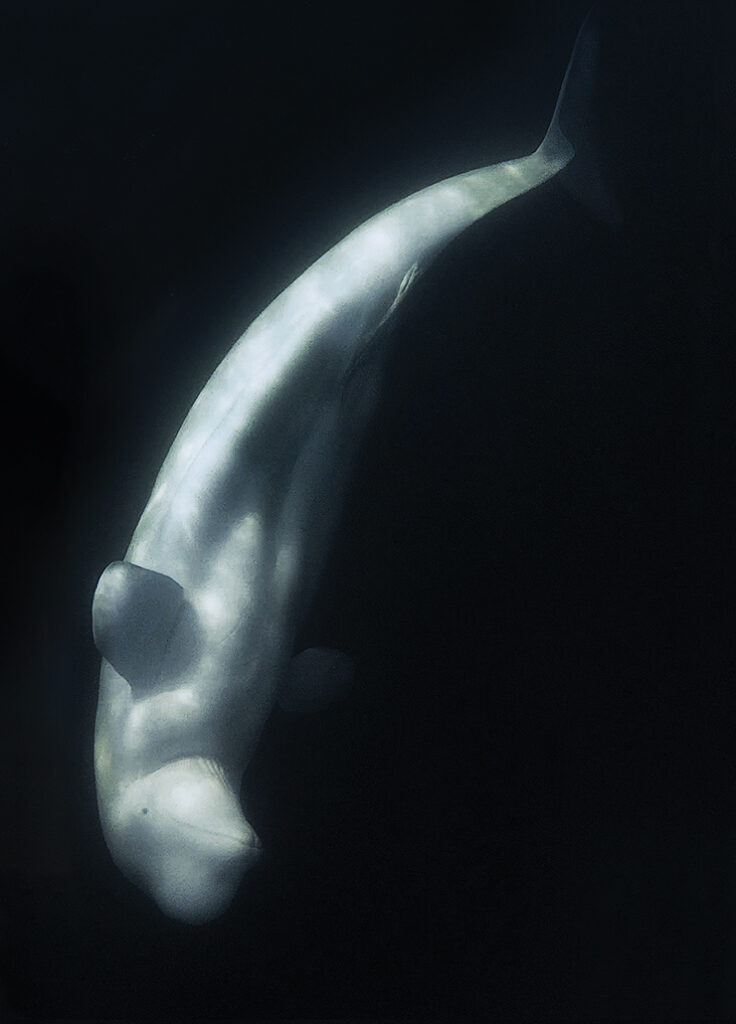
The port of Churchill on Hudson Bay is North America’s only deepwater port with both Arctic Ocean and railway access. Now, it could be set for an expansion. But what does that mean for the region’s beluga? Locals and experts fear the increased ship noise could drive away the beluga, which are a source of culture and food for Inuit, Cree and Dene in the area, and also a driver of tourism. “It’s not just noise at the port — there’s going to be noise all around the shipping lane,” says Fisheries and Oceans Canada research scientist Marianne Marcoux. “That’s concerning.”
This story is from the January/February 2026 Issue
Wildlife
After a series of mass deaths in recent years, what can we do?
Wildlife
How data is helping us understand why these birds are being found outside of their geographical range

Science & Tech
An ambitious project seeks to use artificial intelligence to speak with sperm whales. But is this even possible? What would we say — and would they want to speak with us?
People & Culture
A tale of joy and persistence: Logging Bruce Di Labio’s birding “big years” almost 50 years apart