On shifting baseline syndrome
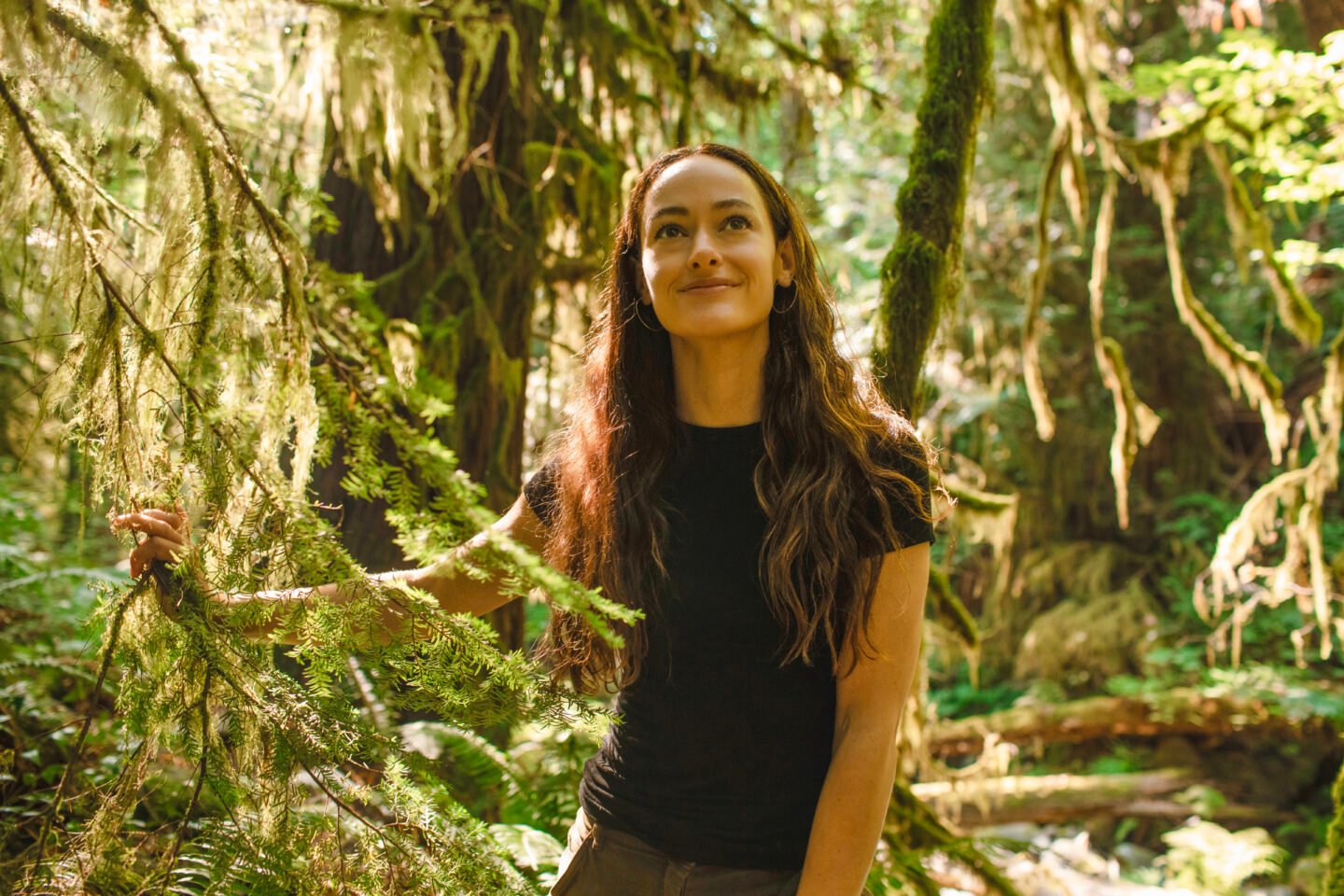
My PhD looks at shifting baseline syndrome, which is when people start normalizing their degraded environments. That normalization inhibits their ability to take action and respond appropriately to how the environment is being negatively impacted or is no longer functioning in the way it should. I’m looking specifically at deforestation in B.C. Old-growth forests are living archives — they show us how things have been and could be. My work is “storying” these places through the memories of people who have long defended them or have different types of relationships to them. I’m asking how we can counteract shifting baseline syndrome to address what researchers call an extinction of experience.
Because there is so little old-growth forest left, a lot of people have no living memories or experiences in these places, which makes it much easier for corporations to tell the public that a tree plantation is a forest when it absolutely is not a forest.
On fast furniture
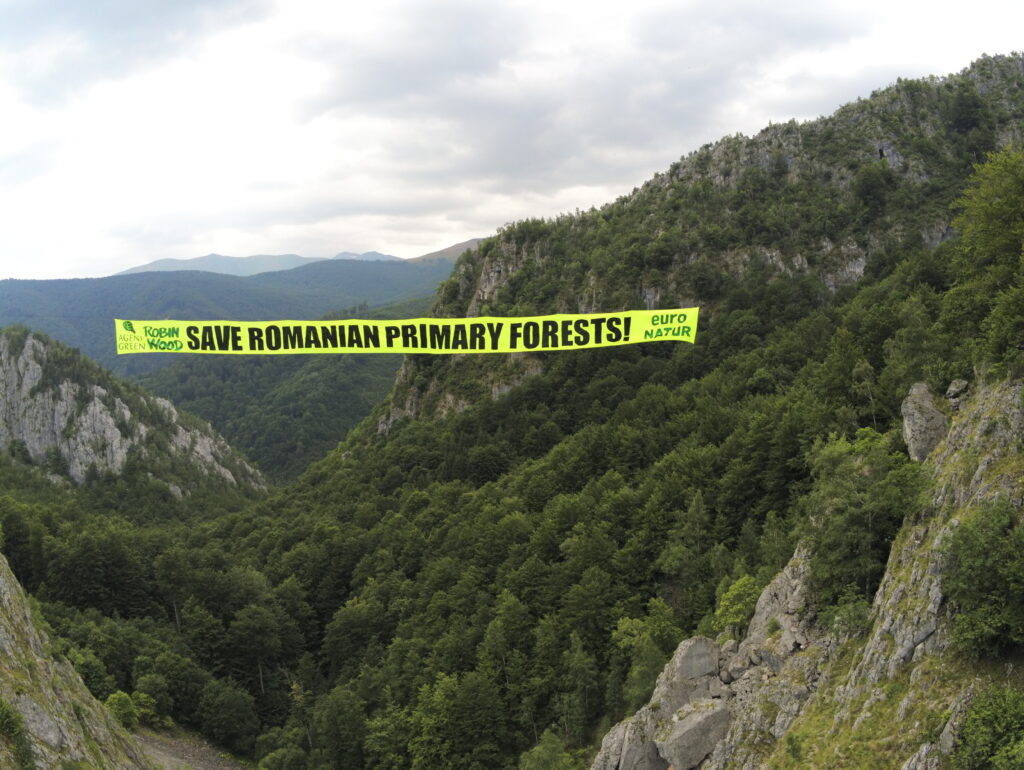
A friend told me that IKEA was destroying forests in Romania that her family had gone to throughout their lives. IKEA is one of the largest consumers of wood in the world. A lot of people are under false impressions due to the company’s effective greenwashing that you can consume furniture cheaply without consequences. There’s a consequence to convenience. To maintain its price points, IKEA has to secure timber as cheaply as possible, and unfortunately, with a mass-production model, it is impossible to guarantee that this timber is being responsibly sourced. They depend on certifications like the FSC (Forest Stewardship Council) to say that they are responsibly sourcing their timber, but I have been to FSC-certified logging sites that looked like moonscapes. We are talking about the extinction of critical ecosystems when ancient forests are being logged. Those trees are being transformed into flat-pack furniture, and because the consumer is buying that furniture at such a cheap price, there’s no incentive to reuse it, recycle it or repurpose it. Fast furniture isn’t part of the popular discourse right now, and I hope that it will be through my [documentary film Wild East, coming out next year].
On herbicides and health
Right now, I’m taking care of my dad, who has cancer due to his exposure to Roundup, a glyphosate-based herbicide. It was originally created by Monsanto, which was later sold to Bayer, a pharmaceutical and biomedical multi-national that also produces the medication that treats the cancer caused by Roundup. [Studies have shown that exposure to glyphosate may increase a person’s risk of developing certain types of cancers. Bayer maintains that glyphosate is not carcinogenic and that its products are safe to use. — Ed.] Roundup has devastating consequences in every way, from human health to biodiversity — it has been attributed to bee die-offs, butterfly die-offs and negative impacts on soil health. There has been little research on its cumulative impacts because it’s not regulated by the FDA (U.S. Food and Drug Administration). I think this is the new Silent Spring, and I want to do a project on it. Roundup was sold on the shelves of Home Depot with the slogan “Kills at the roots.” That’s what I want my project to be called — Kills at the Roots.
On bringing it all together
My storyline is corporate abuse. It’s a more empowering way for us to perceive these struggles because it’s an us versus them. Ultimately, it’s just a few handfuls of corporations that are causing widespread impacts on both the environment and our own health. The work I’m doing with my documentary on fast furniture and IKEA, through my PhD work and with the Roundup project I’m undertaking to fight this fight for my dad — they all come down to corporations taking our lifeline: the environment. Whatever happens to the environment happens to us. I cope with this by fighting and by taking a stand. I gain a sense of agency by being a truth teller, by being a storyteller, by doing investigative on-the-ground research and reporting that exposes what’s really happening. Hopefully, the storytelling serves as a wake-up call for all of us to step into deeper awareness and feel empowered rather than paralyzed.