
Environment
Canada’s greenest prof
Vancouver might just be home to the greenest building in the world. Meet the geography professor who brought it to life.
- 2598 words
- 11 minutes
Travel
Since 1957, this pint-sized relic has kept Berlin’s Cold War history in motion and nostalgia alive on Berlin’s streets

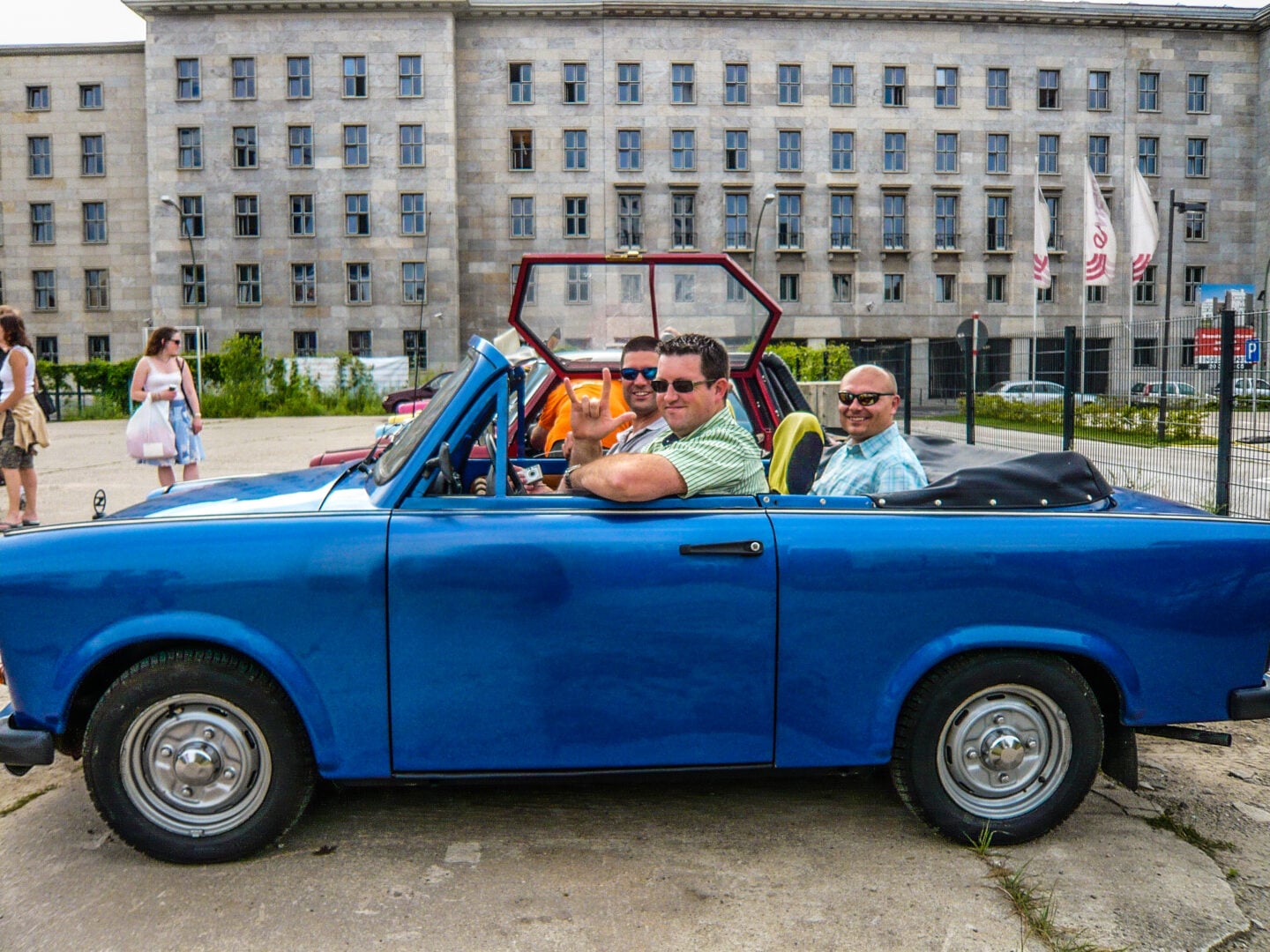
Times have changed in East Berlin since the end of the Cold War in 1991. A reconstruction of the notorious Checkpoint Charlie now showcases Soviet-era souvenirs, and what remains of the Berlin Wall has transformed into a heavily graffiti-covered art gallery.
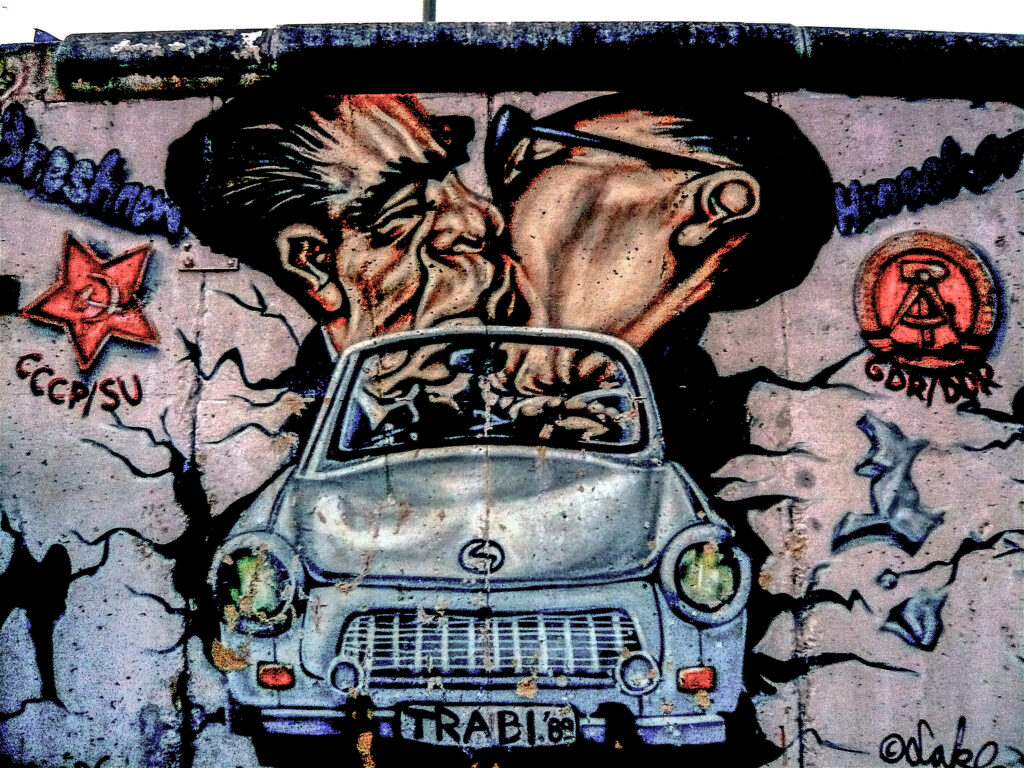
At 1.3 kilometres long, the East Side Gallery is the world’s longest open-air gallery, featuring iconic works, such as Dmitri Vrubel’s Fraternal Kiss and Birgit Kinder’s Trabant crashing through a wall. What was once an inefficient, corrupt, and paranoid police state, East Berlin was a place where daily life was an absurdity of line-ups and wasted potential. And nothing captured it better than the dinky car I’m about to drive around the city.
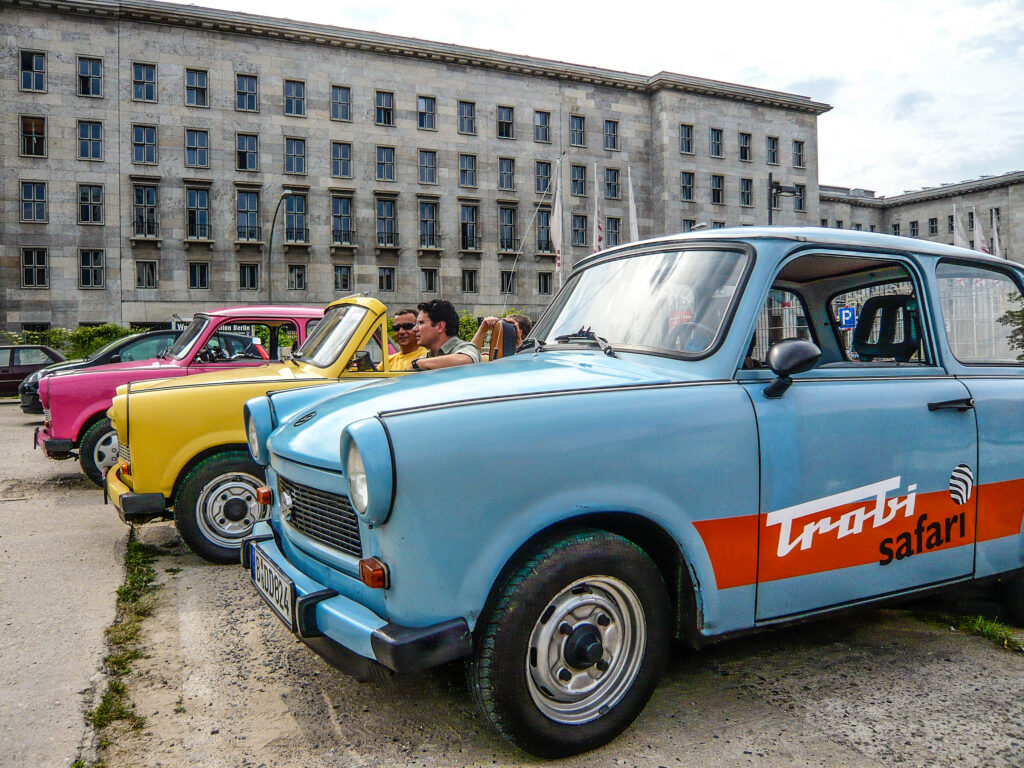
The Trabant (or Trabi) was the German Democratic Republic’s answer to the globally popular Volkswagen Beetle, manufactured across the wall in the democratic Federal Republic of Germany. Instead, the Trabant became a rolling metaphor for everything that didn’t work.
Small and underpowered, steel shortages resulted in a car exterior made from a plastic resin, reinforced with cotton waste and recycled wool. Nobody had to worry about rust, but good luck in an accident. The average East German citizen could wait up to 13 years before getting permission to acquire a Trabant, with no chance of choosing their favourite colour. Built by the East Germans between 1957 and 1991, the Trabant’s existence saw hardly any production upgrades during its 34-year lifespan. Throughout its time on the road, the Trabant continued to utilize a unique push-pull gearbox located below the steering wheel, along with gravity, for fluid delivery to the engine.
Known for spewing exhaust fumes, it could hit a generous top speed of 112 km/hr, downhill and likely with a tailwind. It was designed to seat four adults comfortably (if those four adults were circus contortionists). East Germans would joke that the quickest way to double the value of a Trabant was to fill up the gas tank.
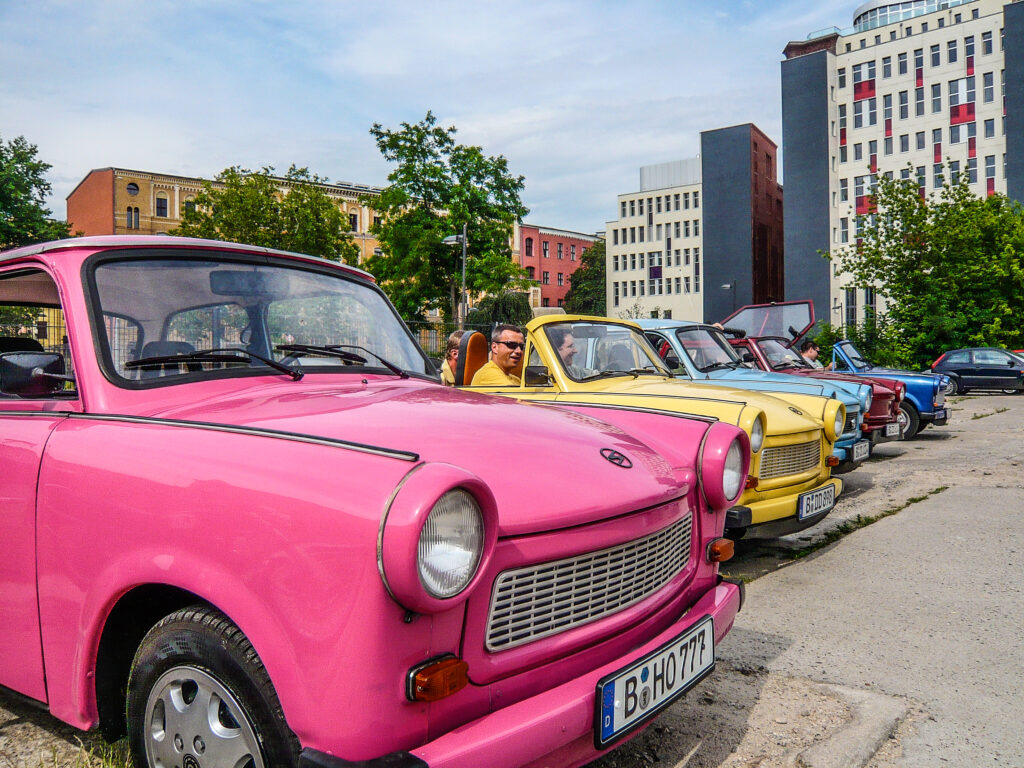
I’ve signed up for a tour with Trabi Safaris, a long-running company that operates self-drive tours year-round in Berlin and Dresden. Tourists with a driver’s license can pilot their own Trabant on a sightseeing tour, while a lead guide peppers a shortwave radio with interesting trivia along the route. It’s a cloudy afternoon at the meeting point in Friedrichstrasse, and the parking lot is full of brightly-painted Trabants, some in animal print. After a brief orientation about how to operate the quirky manual gearbox, I am shown to a sky-blue Trabant that resembles an oversized toy for a giant cereal box. Grinding it into gear, I nervously join the tour’s convoy as we head single-file into the streets of Berlin. I feel like I’m starring in an Eastern Bloc remake of The Italian Job.
Inside the car, I can detect a lingering smell of gas and burning oil. The thin steering wheel feels too big for the car, and the interior is unsurprisingly spartan. The seats are stiff, the dashboard looks hastily glued together, and I feel like I might pierce the plastic driver’s door with my elbow. “If you crash, you can always wear the trunk to the hospital,” crackles the radio. Our guide clearly has a sense of humour, which is rather apt since we’re driving a very funny automobile. Berlin’s motorists know better than to trust a bewildered tourist driving a Trabant, and most give us a wide berth. We are reassured by the guide that accidents are extremely rare. When a new Mini Cooper overtakes me, it dwarfs my sputtering Trabi.
My two-stroke, 26-horsepower engine hacks like a lifelong chain-smoker as the car lurches forward. “All Trabis go to heaven, because they’ve already had hell on earth,” jokes the guide on the radio. It’s hard to believe that East German border guards used to patrol the no-go zone in these temperamental clown-mobiles. Sputtering forward, I imagine what it must have been like to own this plastic box on wheels, dreaming of open roads you would never be allowed to drive.
The Trabant became a metaphor for life under Soviet Communism. Outdated and constantly underperforming, the car epitomized a society that prized control over innovation. East Germans had endless jokes about it: “What do you call a Trabi at the top of a hill? A miracle,” and “Why does a Trabi have heated rear windows? To keep your hands warm while you push it.”
When the Berlin Wall fell in November 1989, West Berliners greeted smoky convoys of Trabants rolling into their side of the city. Suddenly, the little car that represented decades of stagnation became a symbol of liberation, perhaps explaining why they continue to exist at all. Only about 58,000 Trabants survive out of the three million that were produced, and outside of Trabi Safari and private collections, it’s unlikely you’ll come across this relic of the Cold War.
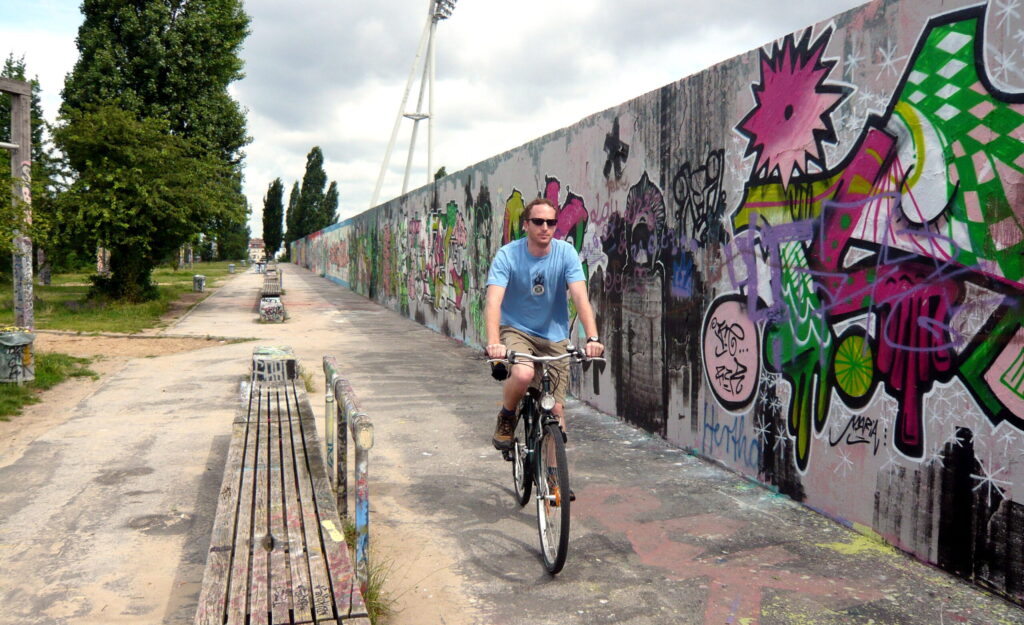
Our tour continues towards Alexanderplatz and along Karl Marx-Allee, making our way beneath towering and intimidating Soviet-era architecture. These grand buildings were designed to awe East Germans as a lasting reminder of the state’s power. With the hindsight of history, we know that the immense Soviet state was more like a smoky two-stroke engine with a propensity to backfire. Approaching the end of the tour, I finally figure out the gearbox and casually wave at the curious onlookers at intersections. Sometimes, we can discover a city’s history through its famous museums and monuments. And other times, history is found behind the wheel of a quirky car, sputtering blue exhaust into a late afternoon sky.
Environment
Vancouver might just be home to the greenest building in the world. Meet the geography professor who brought it to life.
Travel
Canadian Geographic’s Bucket Listed columnist Robin Esrock explores domestic tourism, national pride and the evolution of Canadian travel in the third edition of his bestselling book, The Great Canadian Bucket List
Travel
Two award-winning travel journalists discuss why family travel, even the kind that pushes us outside our comfort zones, is one of the most powerful investments we can make
Travel
In the city of Eisenach, Wartburg Castle’s historic Christmas market welcomes visitors in a uniquely medieval holiday tradition