Travel

Ireland, through my mother’s green eyes: A bucket list journey beyond heritage

With no Irish lineage but a lifelong longing, Robin Esrock’s mother finally set foot on the Emerald Isle for a memorable mother-son adventure

  • Aug 14, 2025
  • 2,329 words
  • 10 minutes
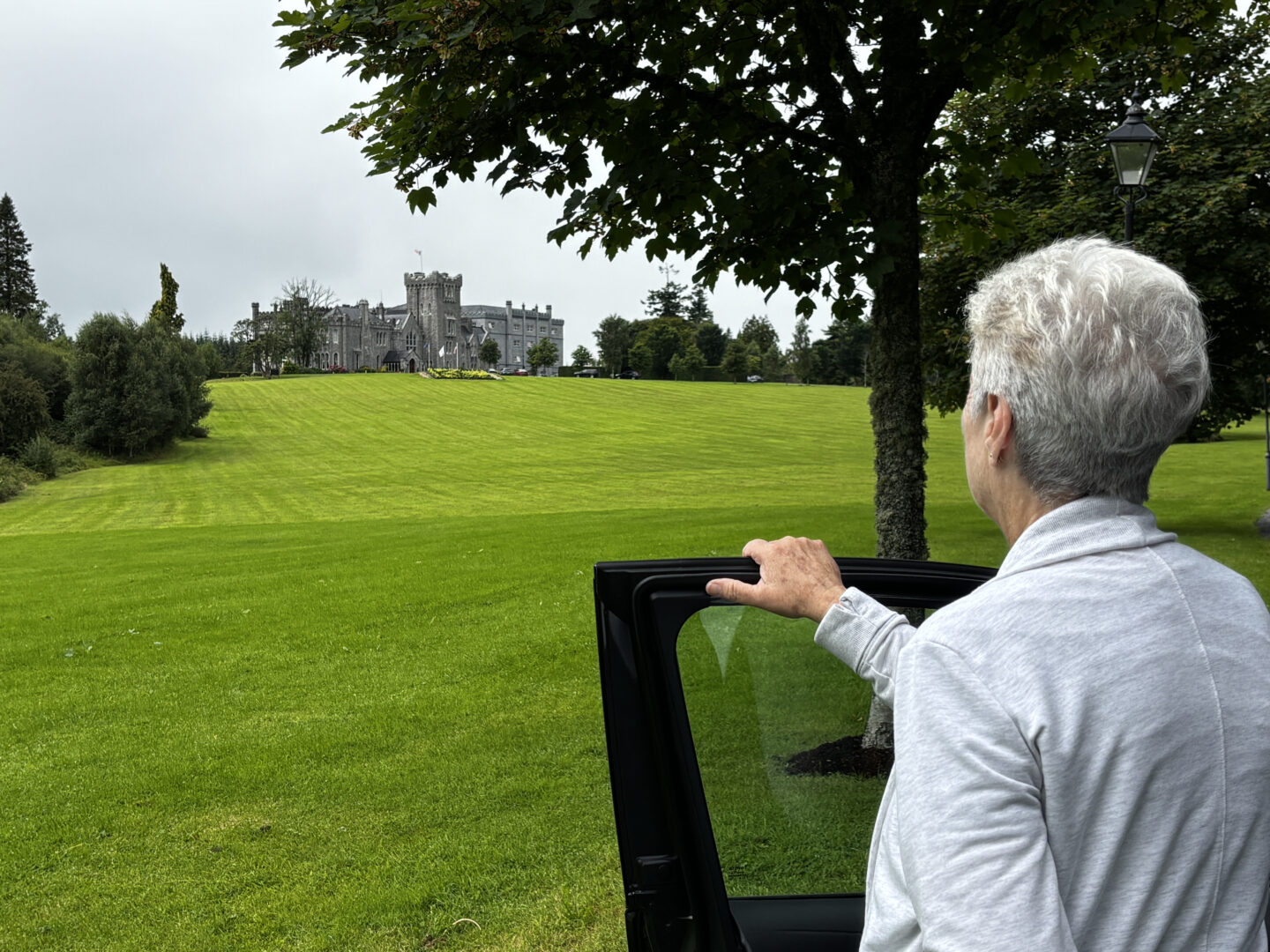
Robin Esrock's mother admires Kilronan Castle, which looks like something out of a fantasy movie. (Photo: Robin Esrock)
Expand Image
Advertisement
Advertisement

About 13 per cent of Canadians can trace their roots back to Ireland; maybe that’s why so many of us dream of visiting the Emerald Isle. My mother, however, isn’t one of them. She has zero Irish heritage, yet Ireland still ranked high on her bucket list. Perhaps she was seduced by the dramatic coastlines, rolling green hills or sweeping romantic scenes she’s watched unfold on screen. Whatever it was, the storybook landscapes of Ireland had her under its spell long before we set foot there. 

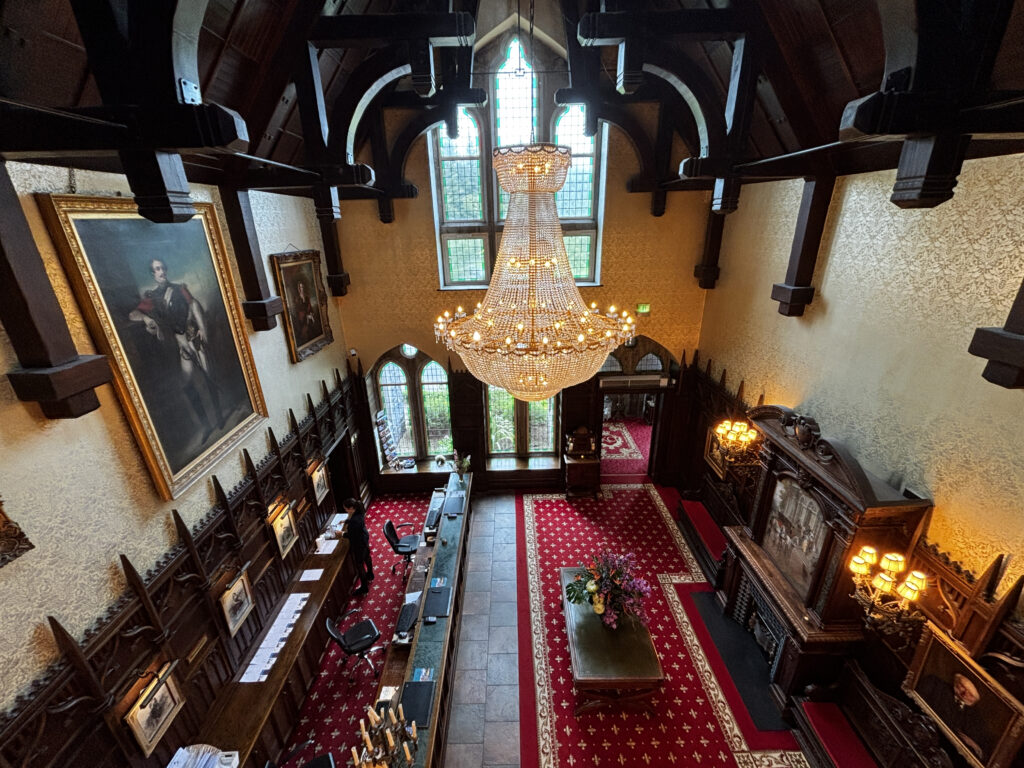
The Lobby of Kilronan Castle. (Photo: Robin Esrock)
Expand Image

Maybe she has a thing for the accent, or blames her green eyes. But she couldn’t quite explain Ireland’s allure. Here’s another statistic: by the time a child turns 18, it is estimated that their parents would have spent up to 90 per cent of the total in-person time they will ever spend with them. Exploring Ireland with my mother while she ticks off her bucket list is undoubtedly a compelling reason for me.

Taking advantage of Air Canada’s direct flights to Dublin, we rented a car to drive west into the heartland, the lush rolling farmland of the Irish midlands. Two hours from the bustle of Dublin, the Kilronan Castle Estate looks like the stuff of historic fantasy. Like many castle hotels in Europe, its present state is a long tale of history, opulence, neglect, and loving restoration. Built in the early 1800s but abandoned by the 1930s, the castle is now a luxury hotel with manicured lawns and 50 acres of handsome woodland, welcoming visitors (and no shortage of wedding parties) throughout the year. It’s furnished with period portraits, antiques, and a Dungeon Bar in the basement. With a modern spa and one of the country’s best restaurants, it represents a fine life in the countryside, but in Ireland, one is never far away from battles and hardship, struggles, and strife.

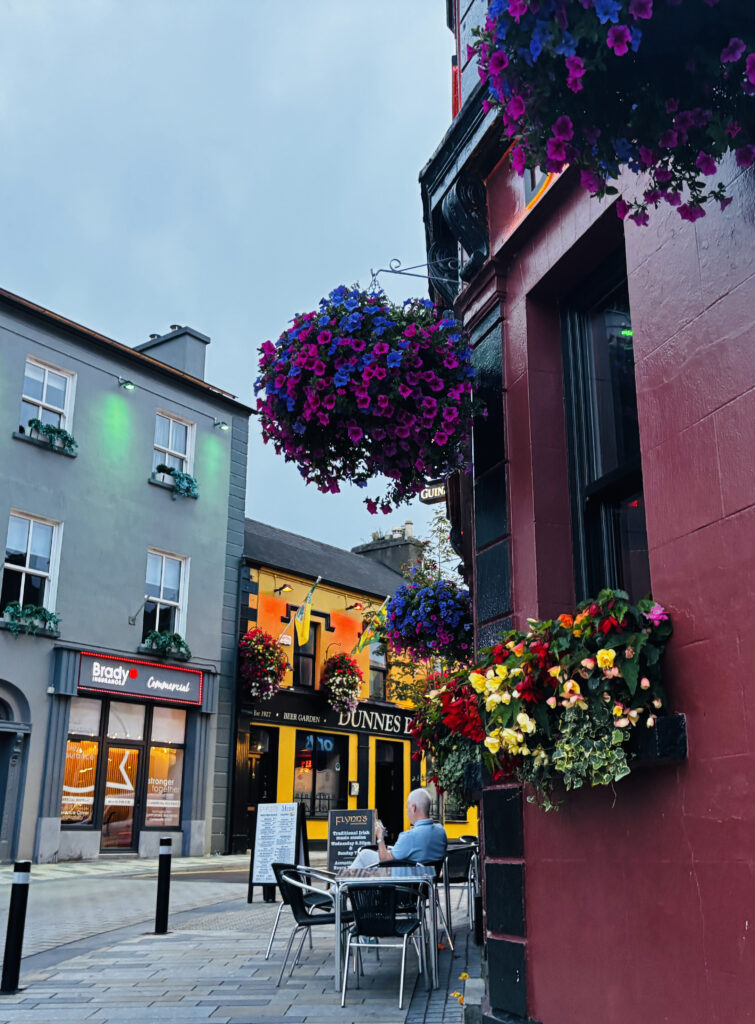
Hanging Baskets in Carrick on Shannon. (Photo: Robin Esrock)
Expand Image

A half hour’s drive away is the Arigna Mine Experience, where a retired coal miner guides us into a warren of underground tunnels. Along the way, he shares authentic stories of a hardworking community, supportive and lively, grounded in soot. Although it sometimes feels like we need subtitles for Michael Earley’s thick accent, his description of life and danger before the mine was shuttered in 1990 is captivating. “Mines are some of the most savage places anyone could ever work, but we didn’t turn into monsters,” he tells us, with that famous Irish knack for storytelling. On the contrary, rural communities thrived, aided in no small part by Ireland’s commitment to pubs, music, church and spirit.

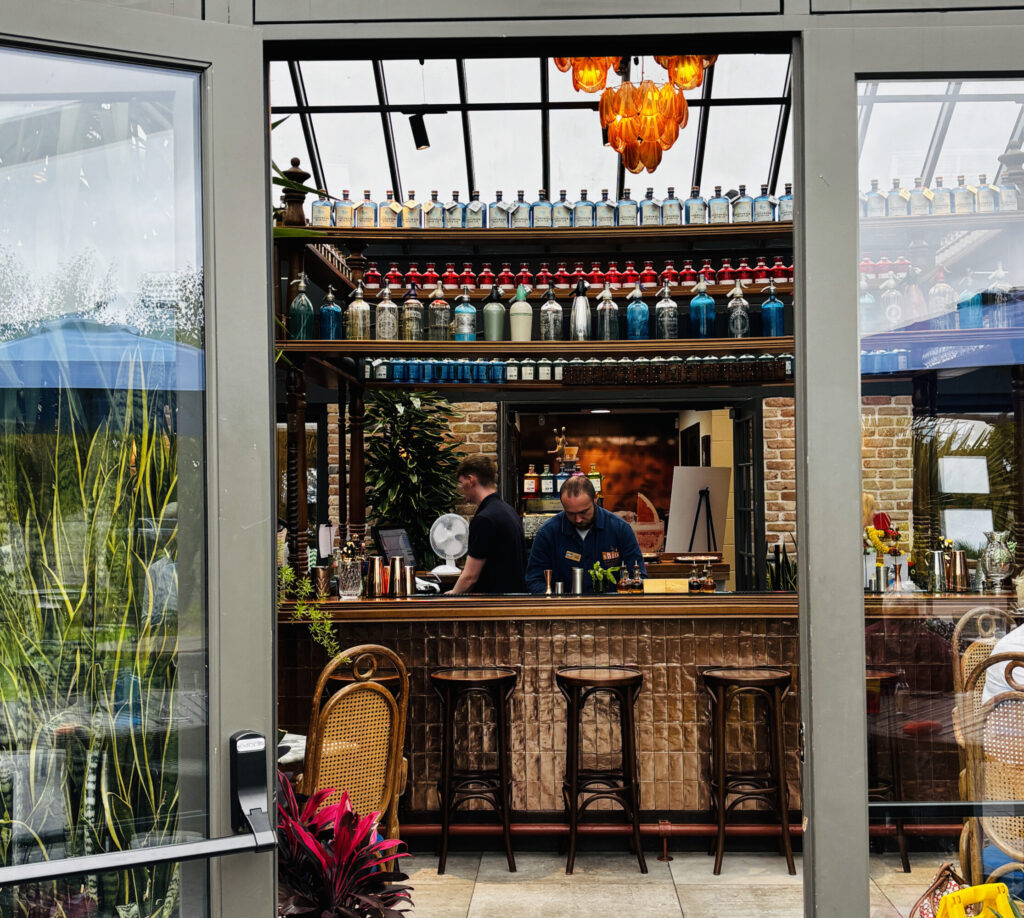
We get another taste of this tradition in the village of Drumshanbo, home to the Shed Distillery and its distinctive ­(and impressively marketed) bottles of botanical gins, vodka and single pot still whiskey. More fascinating for my teetotaller mom is wandering the narrow streets of Drumshambo and Carrick-on-Shannon, popping into local stores and galleries, admiring hanging baskets bursting with seasonal flowers. Everywhere we go, we’re greeted by locals with the phrase: “You’re very welcome.” This is jarring for Canadians who haven’t said “Thank you” first, but the sentiment is clear. In my travels, I’ve found a distinction between politeness and genuine friendliness. In Ireland, it’s very clear that visitors receive the latter.

From the Midlands, we continue west towards the coast of Sligo and a scenic route called the Wild Atlantic Way. Our GPS sends us down some hairy single-lane country roads, laced with blind corners and rollercoaster hills. Some visitors will undoubtedly feel more comfortable on the main arteries, but my mom also enjoys getting lost in the farmland and forested thickets. After all, this apple doesn’t fall far from the tree.

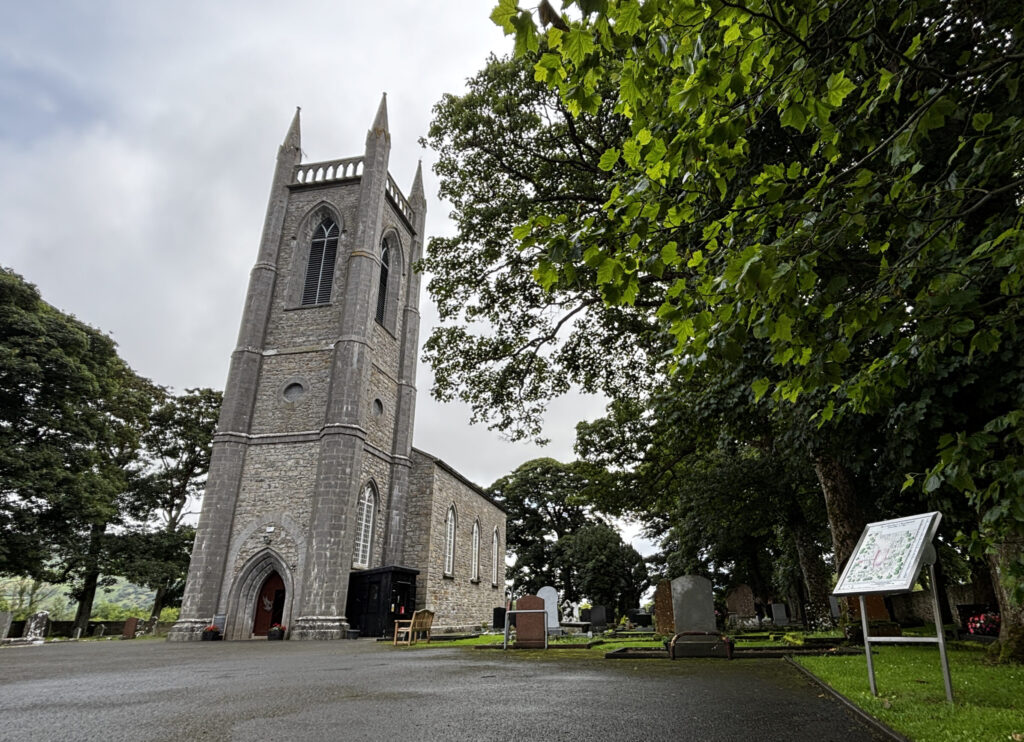
Drumcliffe Church, the resting place of W.B. Yeats. (Photo: Robin Esrock)
Expand Image
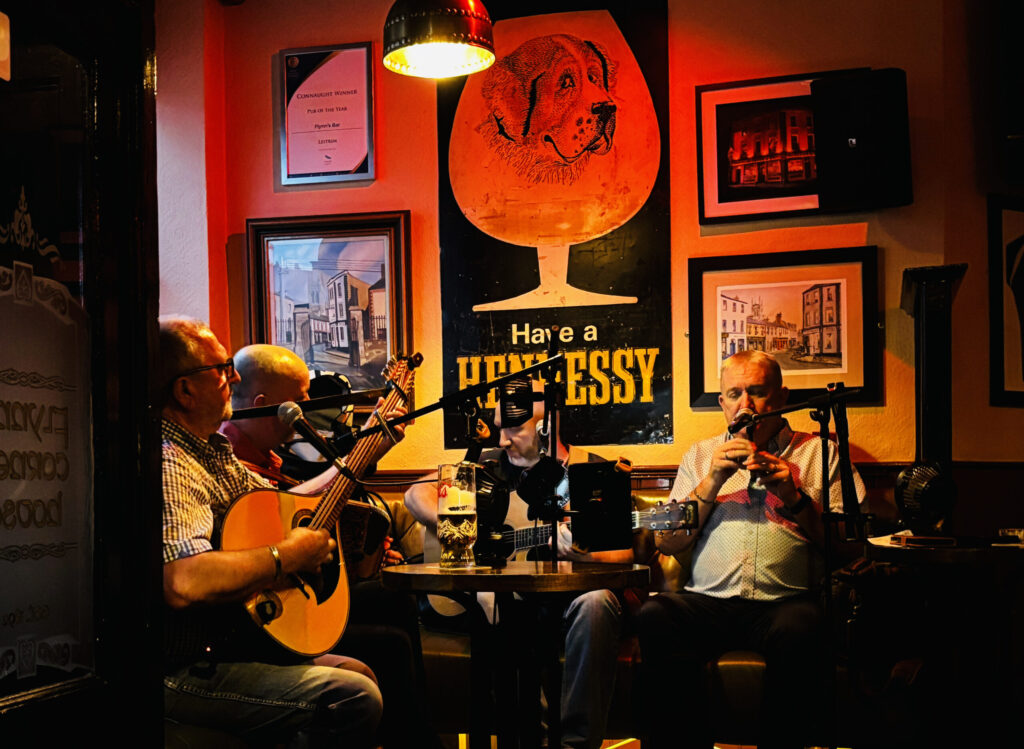
Music and Guinness are never far away in Ireland. (Photo: Robin Esrock)
Expand Image

In the courtyard of Drumcliffe Church, we pay our respects at the grave of W.B. Yeats, Ireland’s most influential poet, and a High Cross that dates back to the 11th century. Back on the road, we pass fat grazing cows and spray-painted sheep, begging further investigation.

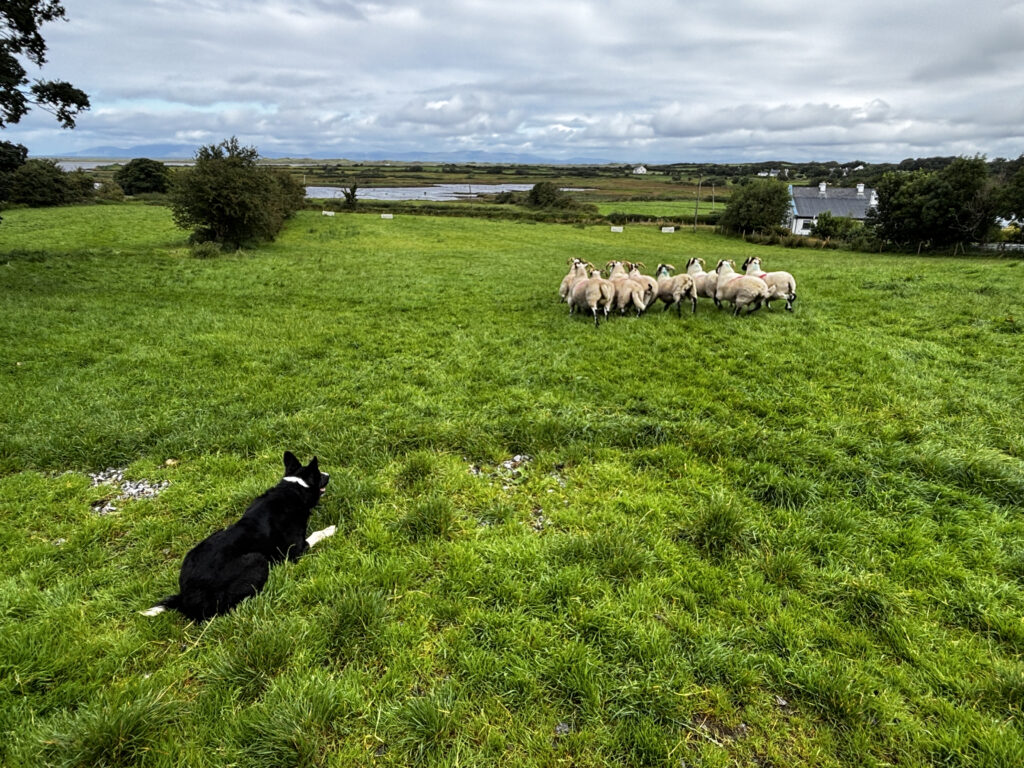
Ben, the border collie, herds his sheep at the Atlantic Sheepdogs. (Photo: Robin Esrock)
Expand Image

Located in the shadow of the country’s only table-top mountain, Martin and Trish Feeney are fifth-generation sheep farmers navigating the collapse of the wool industry. Nobody wears much wool these days, and for all the sheep we’ll see this week, we learn that it’s cheaper to give their wool away than to shear them. Most of the sheep we’ll see are maintained by hobby farmers. Sheep farmers have had to innovate, and the Feeney’s have the best help around. Their Atlantic sheepdogs demonstrations are both fun and fascinating, offering a chance to learn about border collies and watch them at work. As Martin explains, “border” comes from the Scottish-English border, and “collie” means “useful” in Scottish Gaelic.

Martin runs his energetic dog Ben through the paces, demonstrating good humour and a staggering amount of precision as his pup directs sheep around the field. It’s the dog’s instinct to herd animals, with the farmer whistling and shouting instructions. The sun breaks through the low mist, revealing the mountain and sparkling Atlantic in the distance. Other than dogsledding, I’ve yet to see a happier dog having his day, and as for the spray paint, it’s just an easy way to identify your sheep as they graze on the mountain.

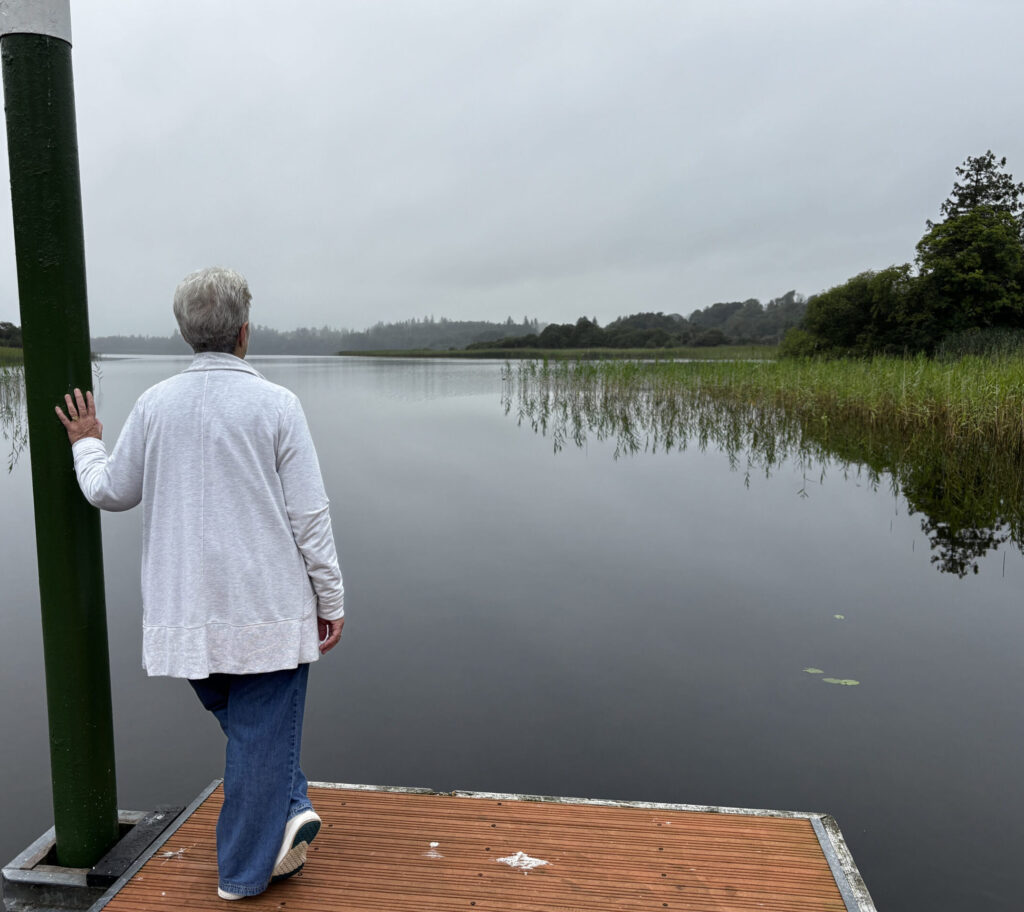
Taking a break to look at a lough (a landlocked body of water) in the Irish Midlands. (Photo: Robin Esrock)
Expand Image
The Glasshouse Tasting Room at the Shed Distillery. (Photo: Robin Esrock)
Expand Image

We meet a Canadian family taking pictures on the gorgeous Mullaghmore peninsula, which reminds me of Newfoundland’s Avalon peninsula, minus the history. There’s a similar Maritime sensibility on the North Atlantic coast of both continents, but pity the Irish summer. It can be cold, windy, misty, rainy, and sunny all at the same time. Regardless, locals tell me they’re encountering more Canadians this year than usual, as the country benefits from all our cancelled U.S. summer vacations.

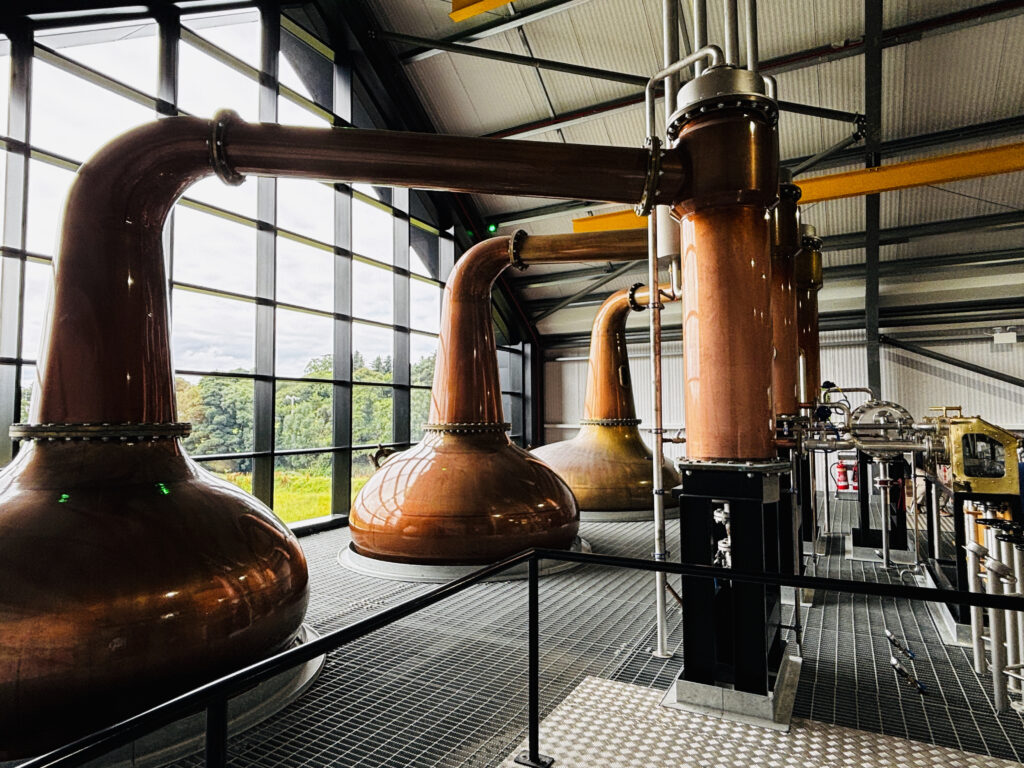
Learning about Triple Distilled Irish Whiskey at Ardara Distillery. (Photo: Robin Esrock)
Expand Image

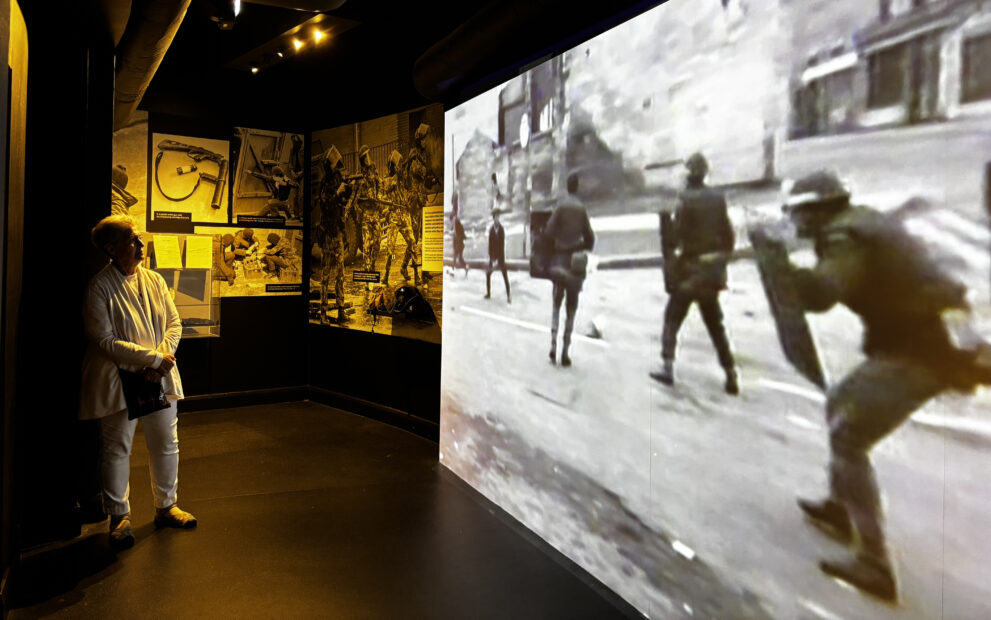
In the county of Donegal, we have a lovely tour of the Ardara Distillery, learning about its whiskey production, but also community history, tradition, family, and, of course, stories. Everyone is eager to chat, and we’re both taken with a generosity of spirit wherever we go. Onwards to Derry, where we come face to face with Ireland’s more recent past at the Peacemakers Museum, which introduces us to Derry’s history during the Troubles. Guided by first-person stories, graphics, video, key personalities and images, it’s an essential stop for visitors both familiar and new to Northern Ireland (or the North of Ireland, or Upper Ireland, depending on who you speak to). We learn about Hunger Strikes and Protests, about the Good Friday Agreement, and a future referendum that will determine whether Ireland remains split between the Republic of Ireland and the United Kingdom. We learn that peace is possible when two sides are willing to work together and compromise.

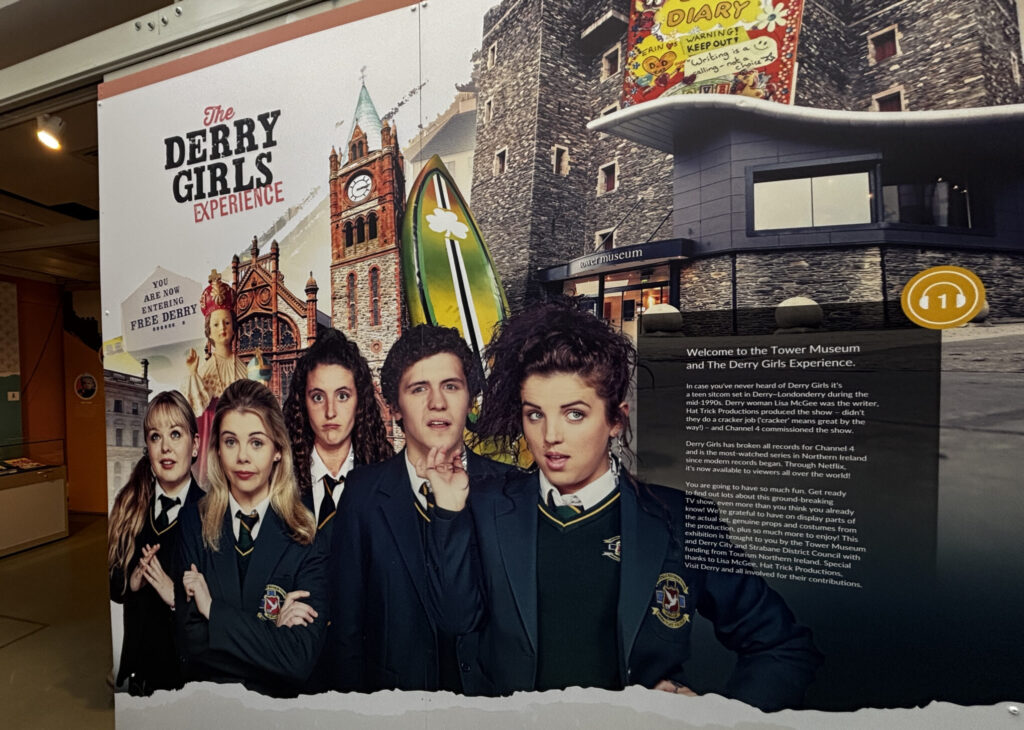
Derry Girls Experience at the Tower Museum. (Photo: Robin Esrock)
Expand Image

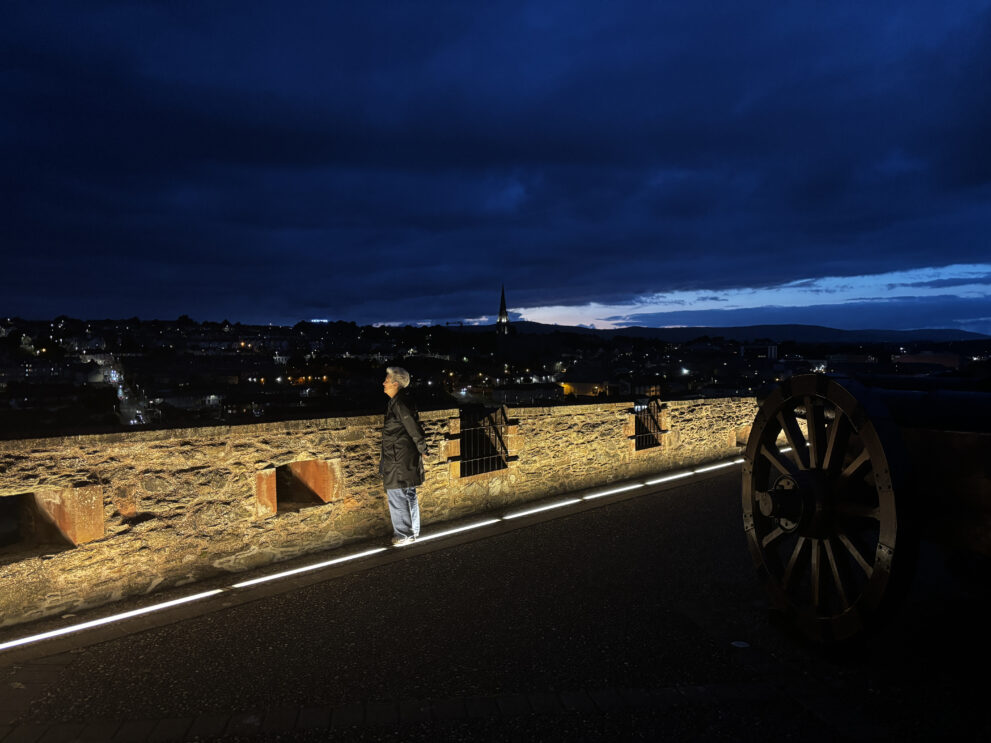
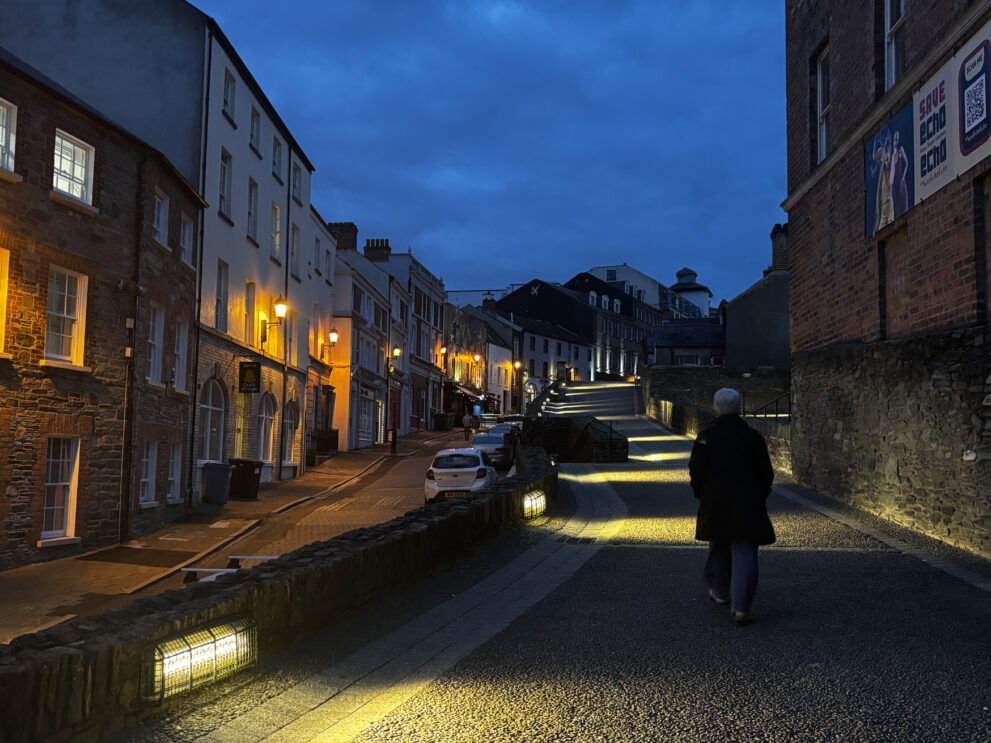
My mom and I did additional homework as latecomers to the hit Netflix coming-of-age comedy Derry Girls, which follows the misadventures of five kids during the Troubles (period of conflict in Northern Ireland that lasted from the late 1960s to 1998). Quirky, hilarious and original with a brilliant late 90’s soundtrack, the city of Derry is as much a character as grumpy Granda or bonkers Aunt Sarah, and I recognize filming locations on the city’s 17th-century medieval wall. Inside the Tower Museum, a Derry Girls Exhibition features original props from the show. Later, we walk off a delicious lamb dinner on the old Derry wall, admiring one of the best remaining city walls in Europe under a refreshingly clear night sky. Guinness and live pub music follow, because in Ireland, it always does.

One gets a compelling sense of place and people on any food tour, even in a city far away from the culinary capitals of Europe. Derry by Fork’s Hannah Biernat collects us from our hotel and guides us to a variety of stops, from a high-end restaurant to an Asian fusion kitchen, a fudge shop to an artisanal bakery. Each dish we sample is delicious, but the common ingredient is the passion of the people behind them. We meet Chef Leigh over his lobster tortellini at the Oak Room, and learn about sustainable grains at Darragh McCauley’s scrumptious Nine Hostages. 

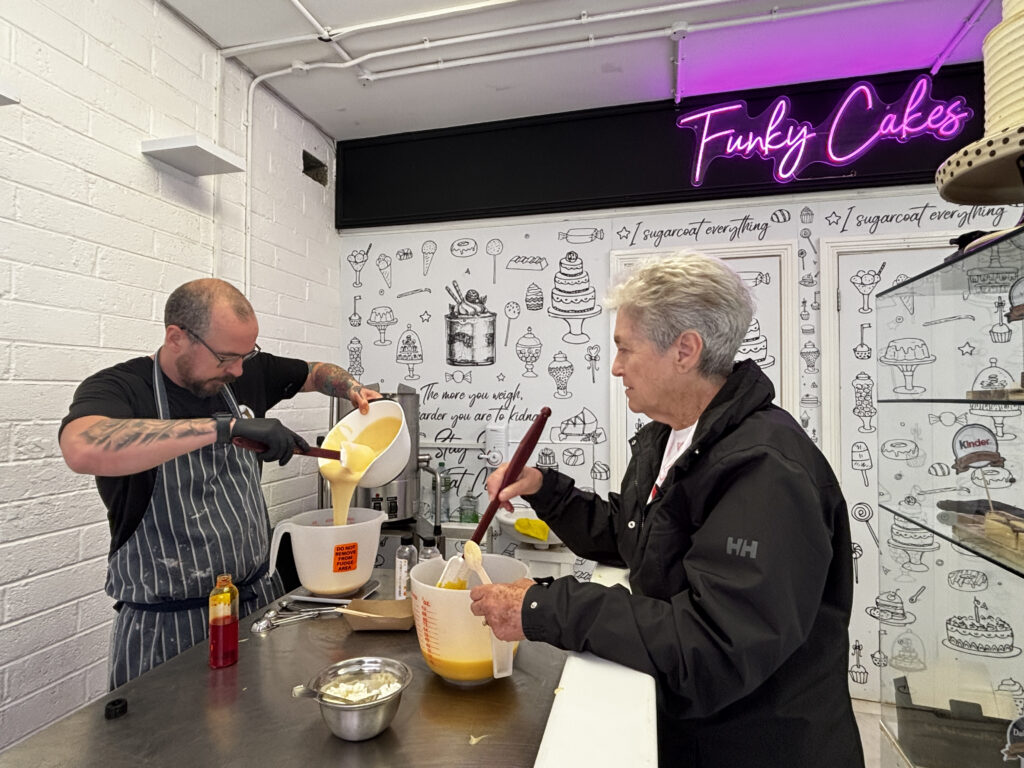
Making fudge on a Derry by Fork Food Tour. (Photo: Robin Esrock)
Expand Image

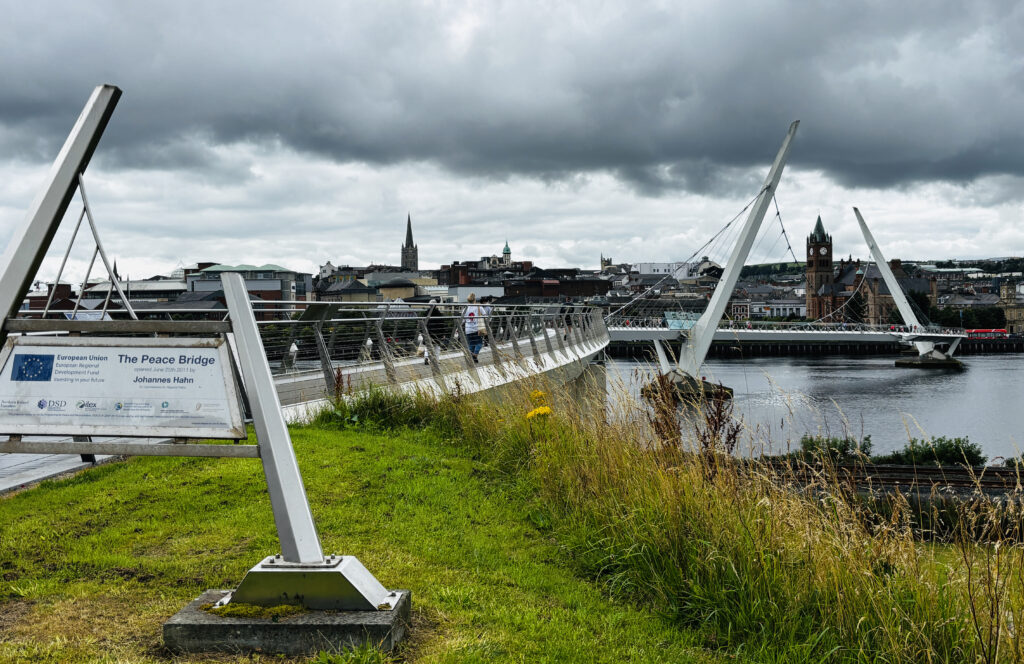
We help whip the fudge at Funky Cakes, nosh on fresh food truck churros, and get a whiskey tasting inside the Wee Bar on Waterloo Street, the smallest pub in the city. It’s a short walk across the Peace Bridge back to our hotel in Eblington. Opened in 2011, this symbolic bridge over the Foyle River connects the historically Unionist Waterside to Nationalist Cityside, a physical reminder that two sides can come together to bridge a bitter divide permanently.

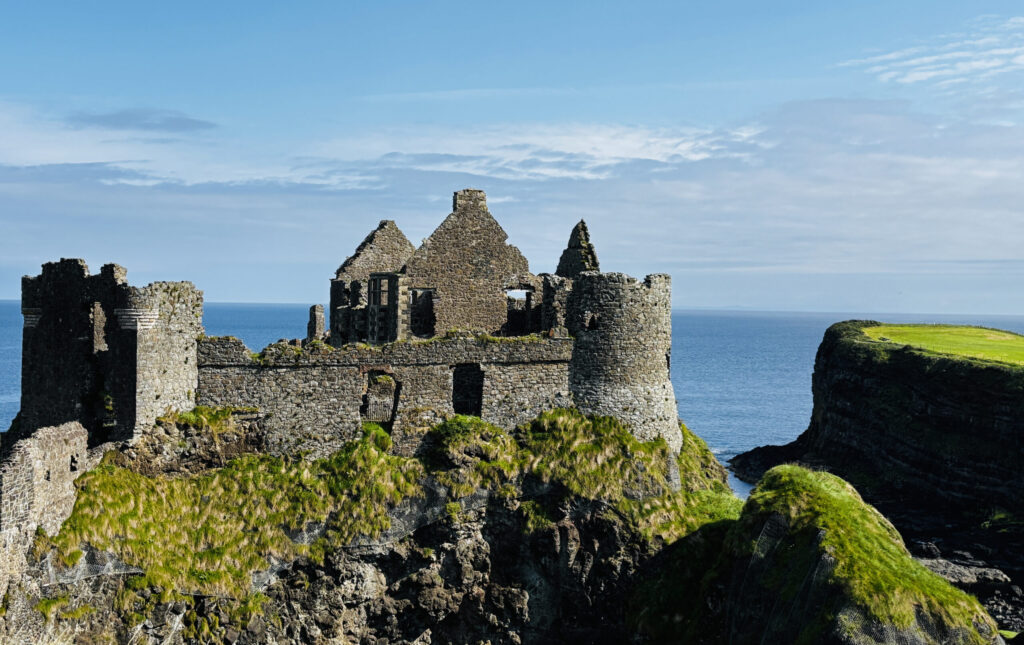
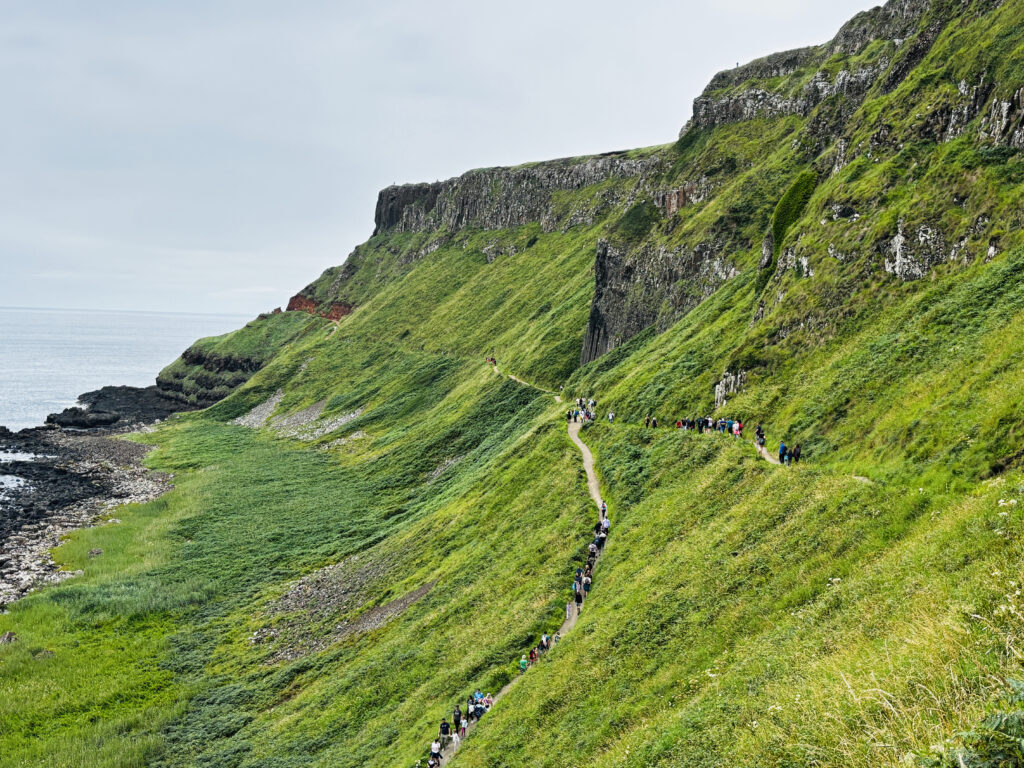
“Now this is what I was thinking of when I was thinking of Ireland,” says my mom as we enter the famed Causeway Coastal Route. Gazing over the sparkling North Atlantic, forests on these striking green cliffs were long ago shorn by warlords, earls, invading armies, and, more lately, herds of sheep. The dramatic ruins of Dunluce Castle, perched on a steep basalt cliff, carry seven centuries of hauntings, legends, and battles. Down the road is Northern Ireland’s rock star attraction, the UNESCO World Heritage Site of Giant’s Causeway. Crowds pick up considerably on the scenic hike to hexagonal basalt columns, formed by the sudden cooling of lava. Beyond this natural climbing gym, pathways for hikers and day walkers cut into the cliffs.

Dunluce Castle is not something you'd see on the coast of Newfoundland. (Photo: Robin Esrock)
Expand Image
Derry's Peace Bridge. (Photo: Robin Esrock)
Expand Image

One hundred and sixty-two ‘Shepherd Steps’ lead up to the ridge to get back to the interpretation centre, but there’s also a bus for those who are not up to it.

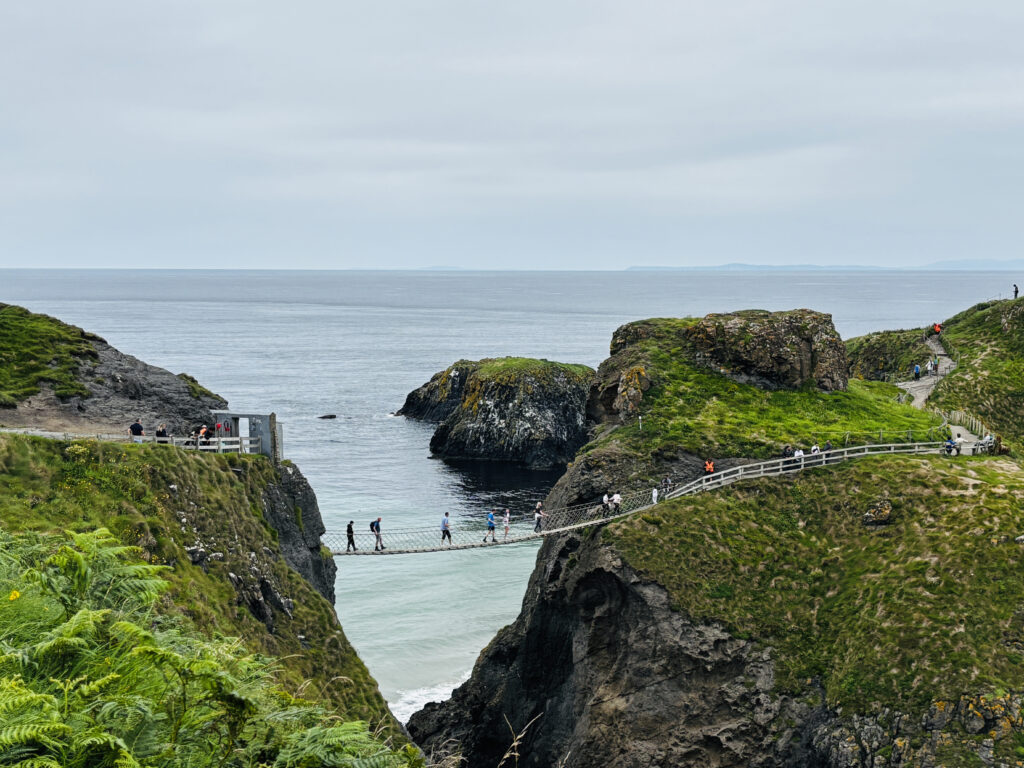
Another 15 minutes down the coast is the Carrick-a-Rede Rope Bridge, the climax of another short and scenic coastal hike. Three hundred and fifty years ago, fishermen used a 30-metre bridge to access salmon nets and boats from the other side of a small island. Today, the UK’s National Trust operates a double-hand-rail rope bridge, which makes for a fun crossing. It’s a tiring yet memorable 20,000-step day, and I’m super proud of my mother. She could have napped in the car as I detoured along a country lane to Torr Head, the closest point between Ireland and Scotland, but who can sleep on a single-lane, spaghetti road lined with bushes bursting with red fuchsias?

The Carrick-a-Rede Rope Bridge has a history dating back more than three centuries. (Photo: Robin Esrock)
Expand Image

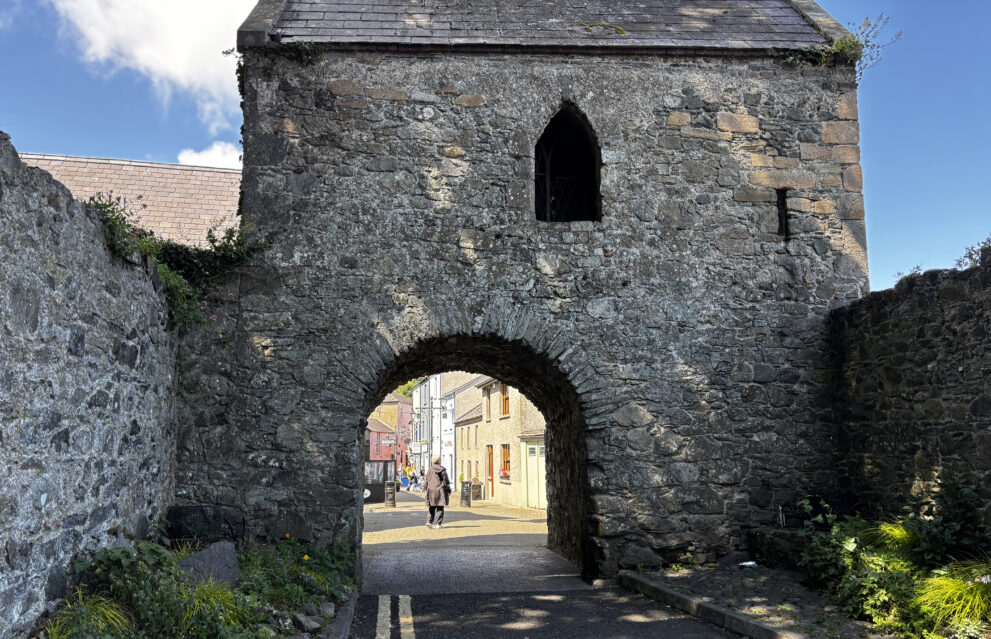
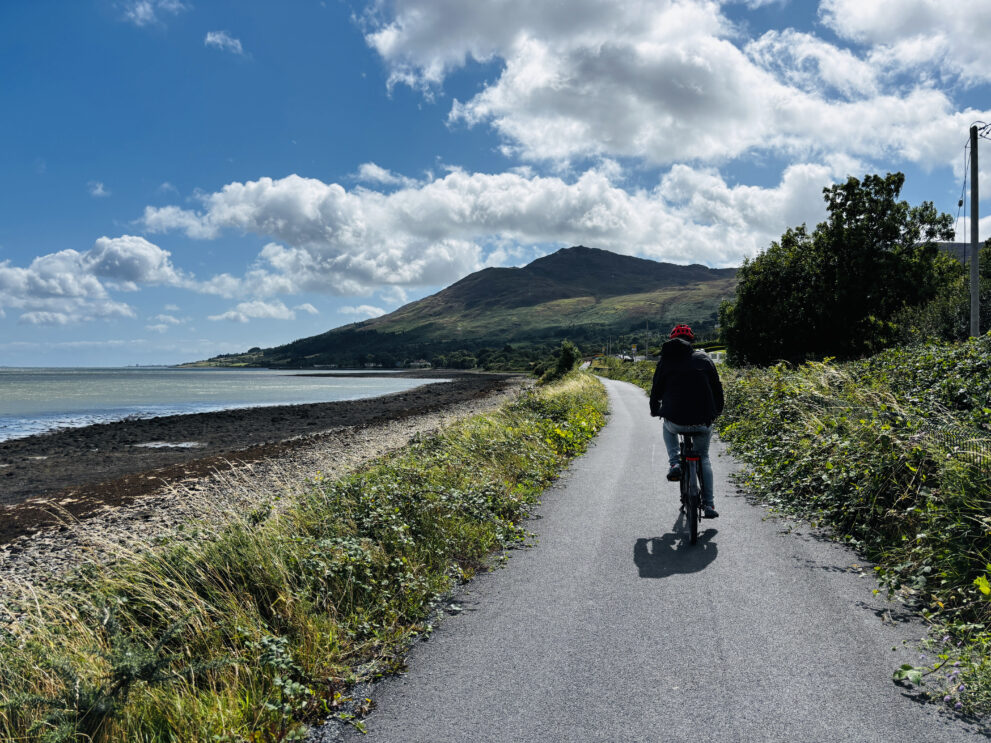
After visiting Belfast, we cross into the Republic again for a bike ride along the coast outside Carlingford. A small medieval village that dates back to the 12th century, Viking and Norman roots are on display through the ruins of castles and monasteries, an original medieval town gate, and an authentic medieval village square. It’s also a launchpad for the Greenway, a lovely flat cycling path to the next village of Omeath, and continuing over the unassuming UK border. I picked up an e-bike from Carlingford Greenway Bike Hike while my mom was looking into an eclectic antique shop, and the reason a Canadian flag flies high in the village. Turns out Carlingford is the birthplace of Thomas D’Arcy McGee, one of the founding fathers of the Canadian confederation, and a champion for tolerance and independence.

Trails cutting into the cliffs at Giant's Causeway. (Photo: Robin Esrock)
Expand Image

Canada has a strong cultural and historical connection to Ireland, with Irish roots in many of our place names, the music and language similarities in our Atlantic provinces, and an ongoing political solidarity between the two nations.

“And so,” I ask my mom on the way to the airport, “did you find the reason why you’ve always wanted to go to Ireland?”

“Yes,” she replies thoughtfully. “Everything has been wonderful, and the people have been so lovely. But really, the best reason was being able to do it while I still can, and being able to do it with you.” 

The world isn’t going anywhere, but we most certainly are. As our parents age, we just don’t know what’s waiting for us around the corner. Sharing quality time with the ones you love while ticking off their travel dream should be all the reason anyone ever really needs.

Advertisement

Help us tell Canada’s story

You can support Canadian Geographic in 3 ways:

Related Content

Travel

The return of The Great Canadian Bucket List in a new era of Canadian travel

Canadian Geographic’s Bucket Listed columnist Robin Esrock explores domestic tourism, national pride and the evolution of Canadian travel in the third edition of his bestselling book, The Great Canadian Bucket List

  • 1453 words
  • 6 minutes

Travel

Roadtripping Northern Ireland’s Coastal Causeway Route

This historic route is a must-drive for any traveller seeking the freedom of the open road with a healthy dose of amazing vistas

  • 1200 words
  • 5 minutes
The Centre for Interactive Research on Sustainability at UBC

Environment

Canada’s greenest prof

Vancouver might just be home to the greenest building in the world. Meet the geography professor who brought it to life.

  • 2598 words
  • 11 minutes

Travel

Adventurous family travel can be an ordeal — here’s why it’s absolutely worth it

Episode 26

Two award-winning travel journalists discuss why family travel, even the kind that pushes us outside our comfort zones, is one of the most powerful investments we can make

  • 25 minutes
Advertisement
Advertisement