Environment
Inside the fight to protect the Arctic’s “Water Heart”
How the Sahtuto’ine Dene of Délı̨nę created the Tsá Tué Biosphere Reserve, the world’s first such UNESCO site managed by an Indigenous community
- 1663 words
- 7 minutes
Science & Tech
A partnership between Miawpukek Horizon, Canadian Geographic, the Marine Institute at Memorial University of Newfoundland and others inspires Indigenous youth to consider careers at sea

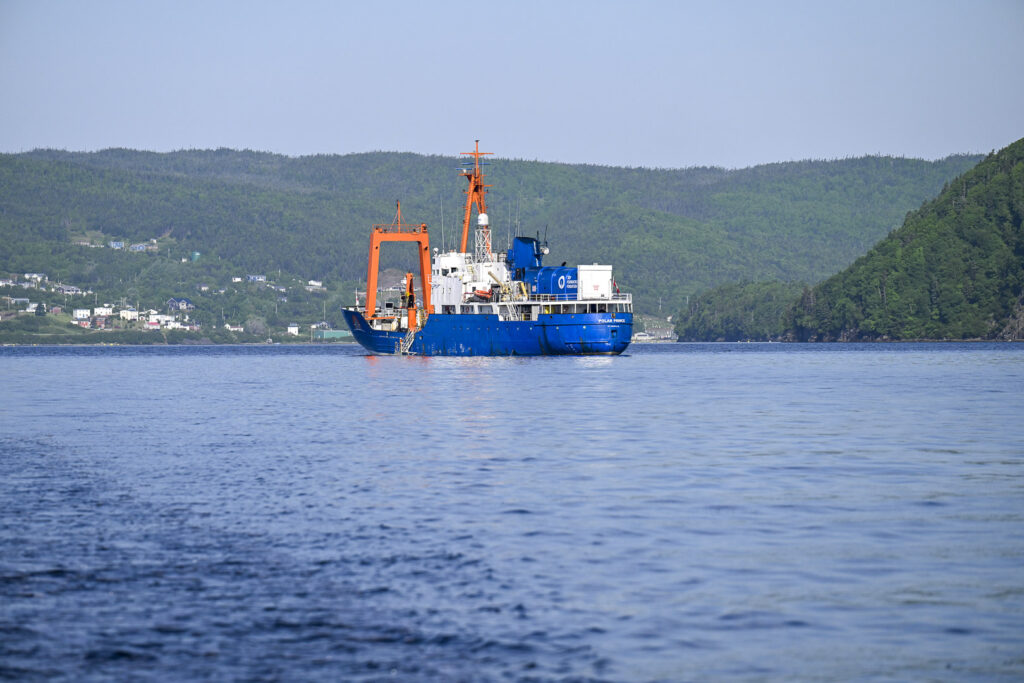
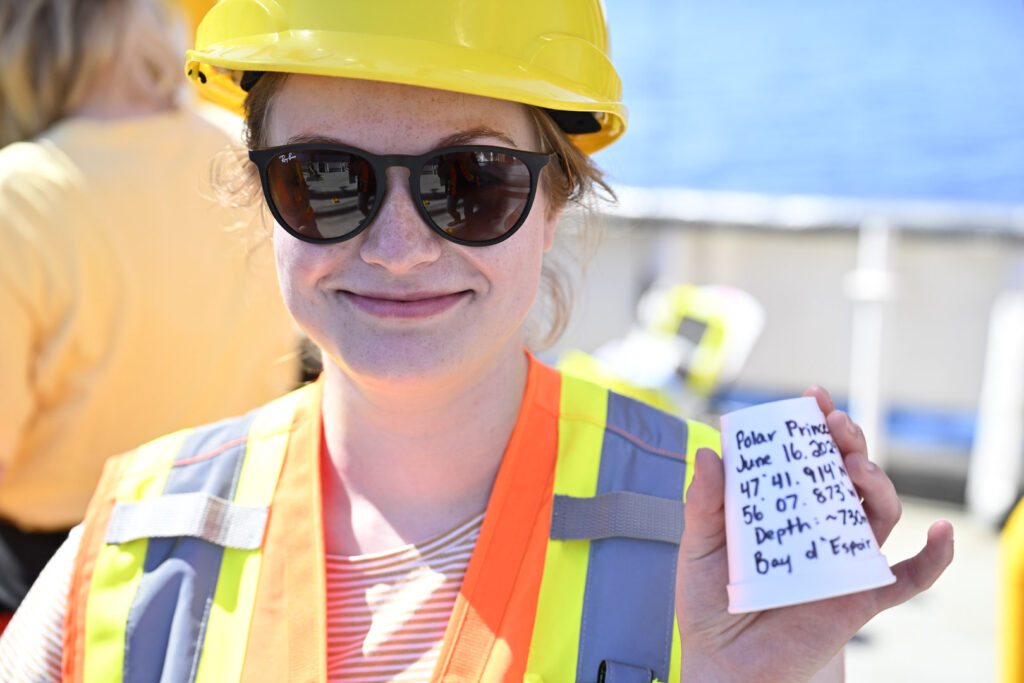
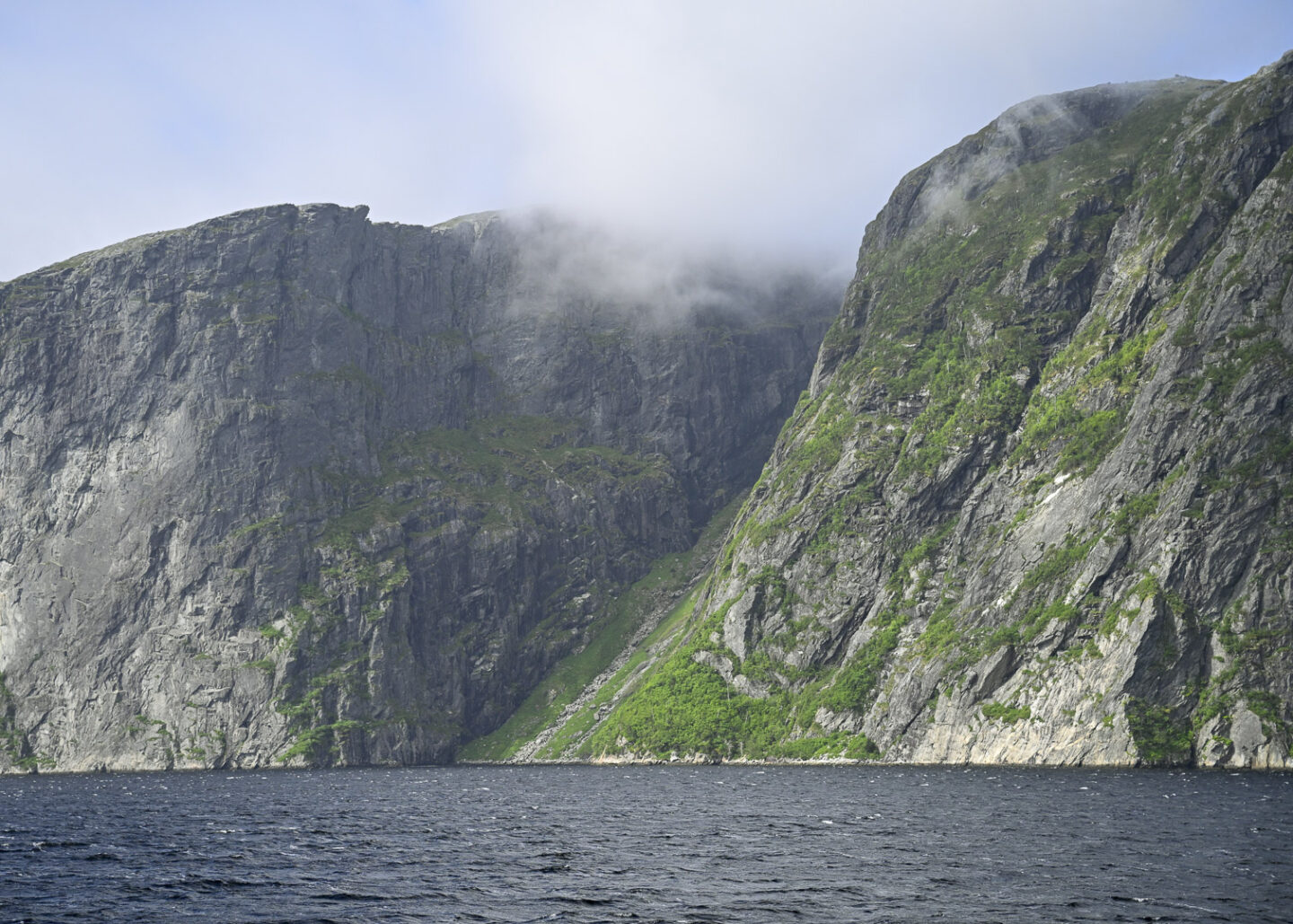
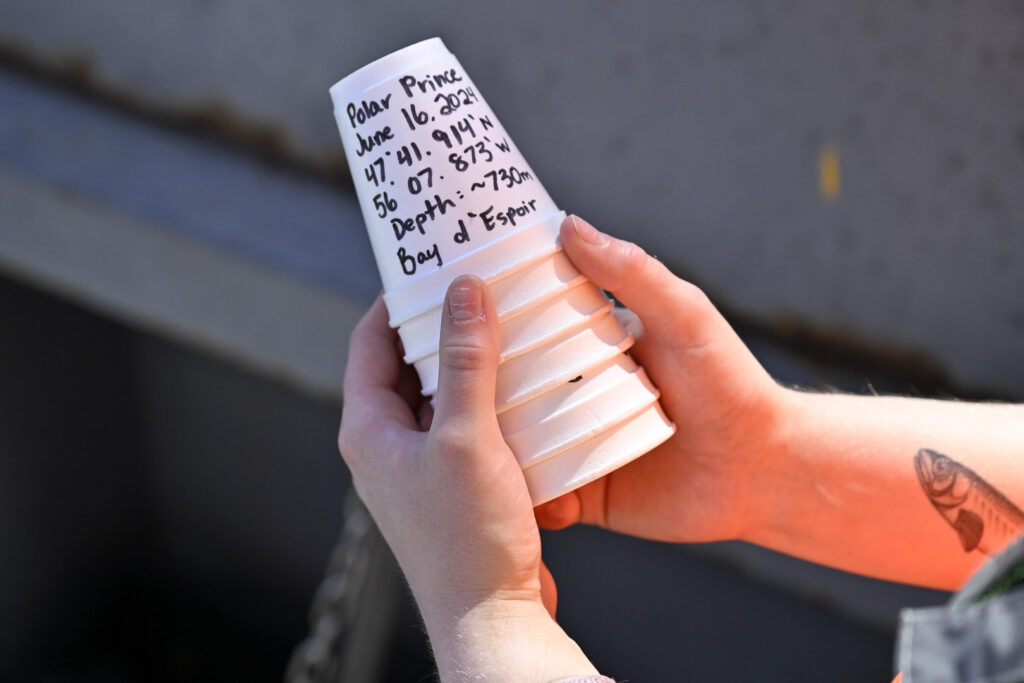
On a bright spring day in southern Newfoundland, a crowd has gathered at the Ta’n Etl-Mawita’mk Community Center on Miawpukek First Nation as the community prepares to send a group of their youth off on an exciting adventure. The eight youth, ranging in age from 14-19, will spend the next five days aboard the former Canadian Coast Guard icebreaker Polar Prince as it sails from Miawpukek First Nation through the South Coast Fjords of Newfoundland, learning the basics of oceanography and exploring possible career paths in the marine industry. The Indigenous Co-created Geo School, a partnership between Miawpukek Horizon, Canadian Geographic, the Marine Institute at Memorial University of Newfoundland, Ocean Networks Canada, Audubon, and Cornell University Bioacoustics, is designed to give Mi’kmaq youth firsthand experience of life onboard a working ship while teaching them geography through an Indigenous lens. (The program has since expanded to include Inuit and other Indigenous youth and a group of 22 participants will head to sea on board Polar Prince this summer. — Ed.)
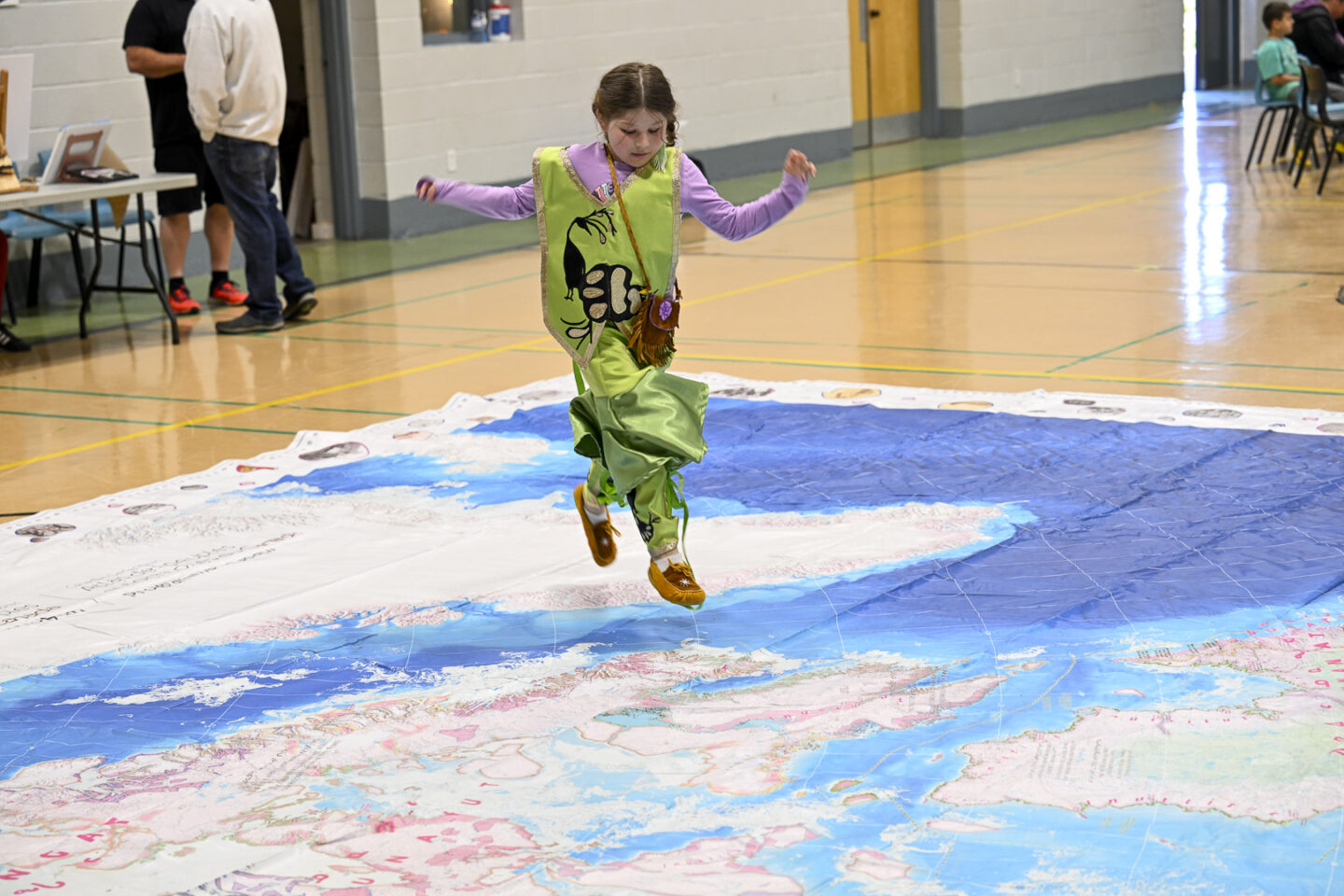
The community centre’s gymnasium is decorated with a beautiful mural of a dream catcher with painted ribbons unfurling across the walls. Canadian Geographic’s Indigenous Peoples Atlas of Canada Giant Floor Map is unrolled on the floor and dozens of people are poring over the intricate details of Indigenous geography free of colonial borders. As a young Anishinaabe journalist on my first-ever assignment as part of a Canadian Geographic team assisting with the first iteration of the Geo School, I feel privileged to see Miawpukek’s forward-looking approach in action.
The previous day, I spent some time talking with Harvey Drew, a Knowledge Keeper and member of the Miawpukek First Nation. He told me how this Mi’kmaq community has turned its fortunes around in the years since it was legally established as a reserve, going from nearly 90 per cent unemployment to 100 per cent full and part-time employment, largely in the marine sector.
“[Miawpukek’s] future is bright. We are continuing on that path through education, but we are going to bring our nature with us, bring our Creator with us,” he said.
The expedition’s activities will be grounded in the practice of Two-Eyed Seeing (Etuaptmumk in the Mi’kmaq language), described by Elders Albert and Murdena Marshall of the Moose Clan as a way of perceiving situations using the strengths of Indigenous knowledge with one eye and the strengths of Western knowledge with the other.
The Polar Prince is the perfect platform for teaching the youth about marine conservation because it gives them a tangible experience with the ocean, says expedition coordinator Greg Jeddore.
“Out [on the ocean], you see why it has to be a conservation area, why you should worry, why you should do something about it. Because once you’re out there, you can feel it.”
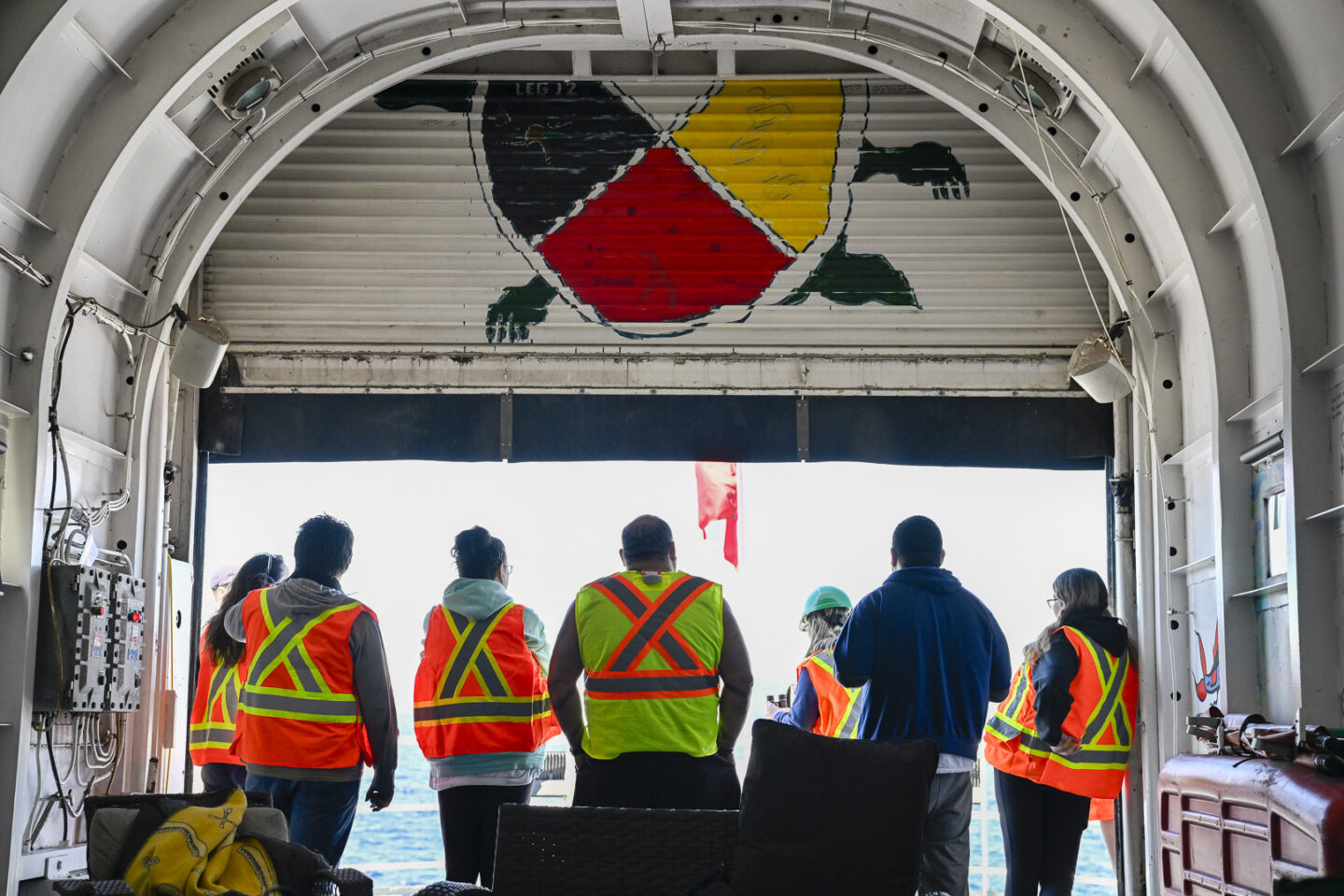
Upon arriving at the Polar Prince, the group is quickly introduced to the controlled chaos of life on a ship. The crew move like worker bees, helping to load equipment, luggage and people. We are directed to the hangar, an old helicopter staging area transformed into a hangout spot. The walls are covered with artwork from past adventures and I can see the wheels starting to turn for an artist in the group.
Although the youth have been around each other for most of their lives, the nerves of a new experience are keeping even the best of friends quiet, so the crew warms up the group by introducing themselves and taking us on a tour. Some take the liberty of exploring every nook and cranny, while others hang back and wait for the cookies that have been promised at the end of the tour.
After walking through each deck, we retreat to the hangar and enjoy the cookies while rooms are arranged. The youth are starting to feel more comfortable talking and cracking jokes now that the weight of parental supervision has lifted. That freeing feeling reminds me of my childhood experience at summer camps.
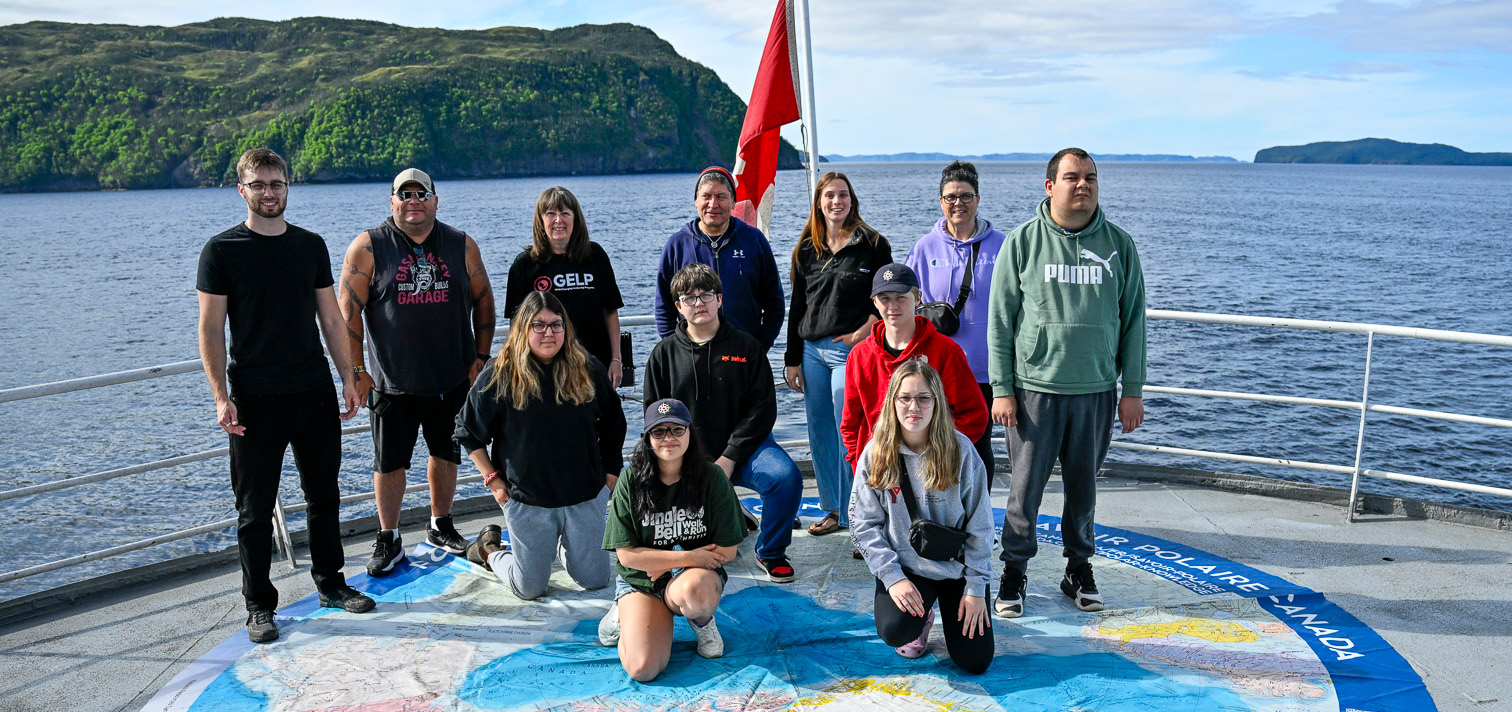
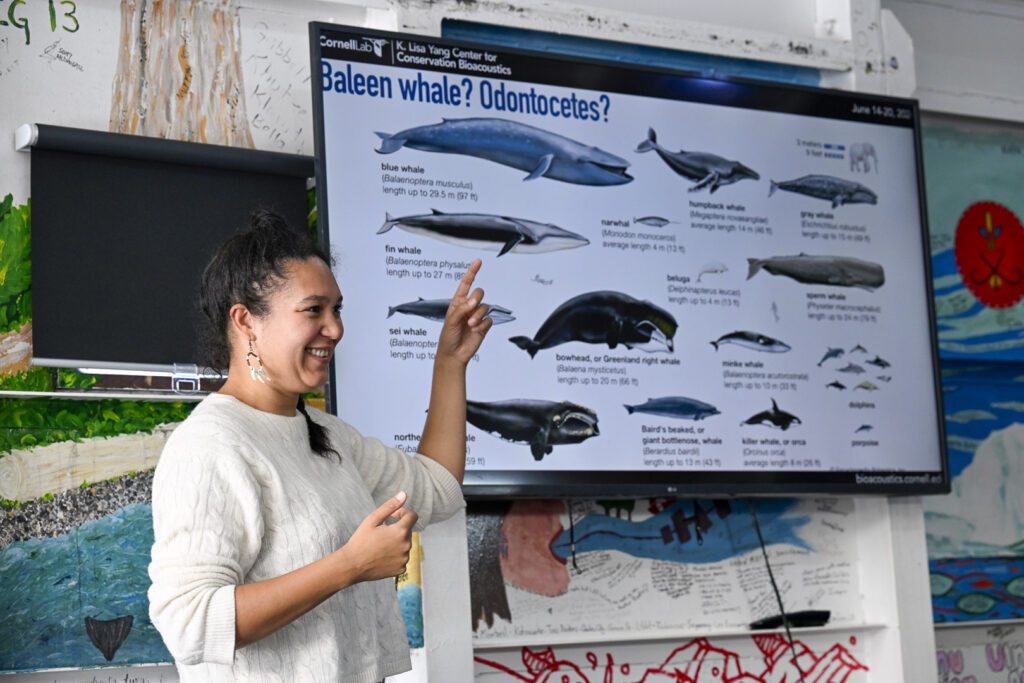
Our first full day at sea includes presentations about the basic technology and terminology used in marine conservation and a geography lesson using the Indigenous Peoples Atlas of Canada Giant Floor Map in the hangar.
With poor weather limiting the opportunity to use marine equipment, day two ends up being much of the same, and the group is getting antsy… eager to experience hands-on learning with the crew.
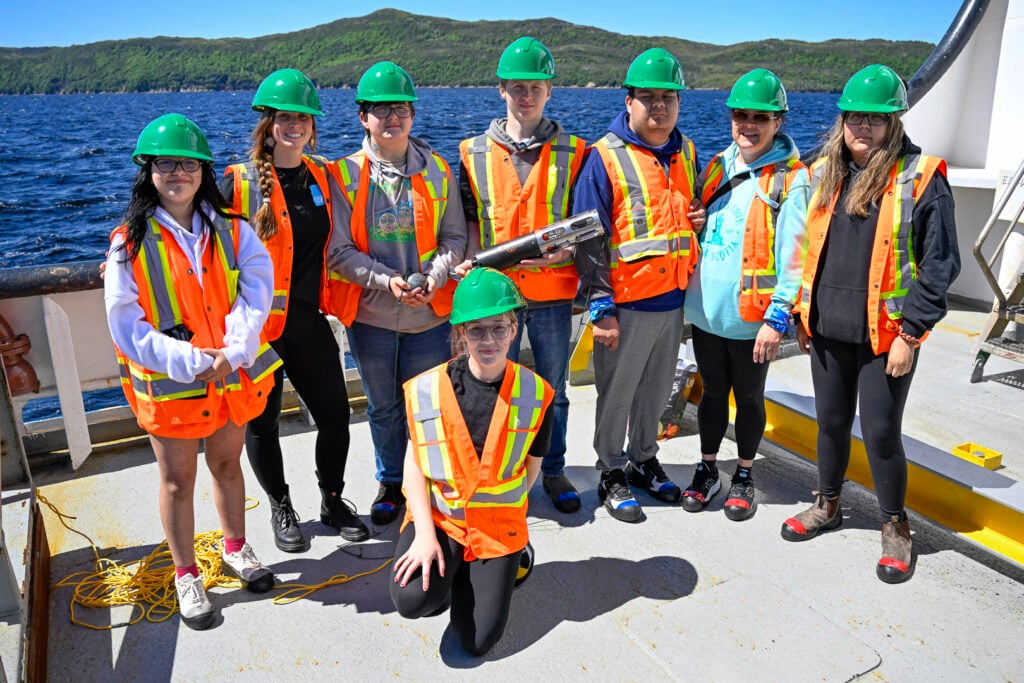
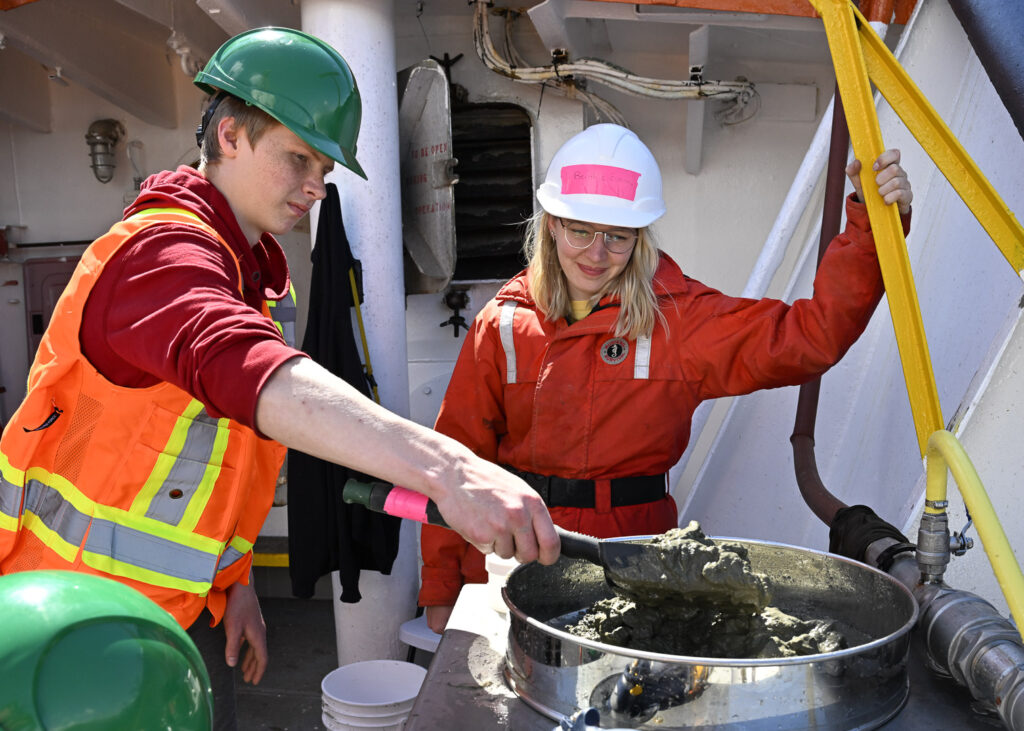
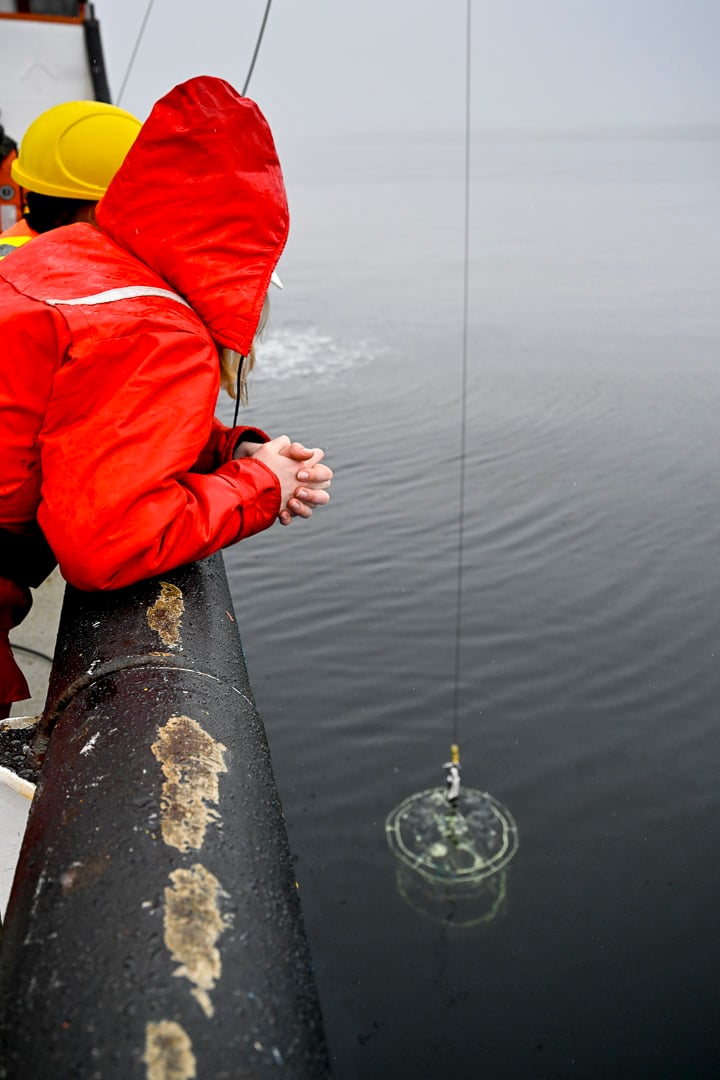
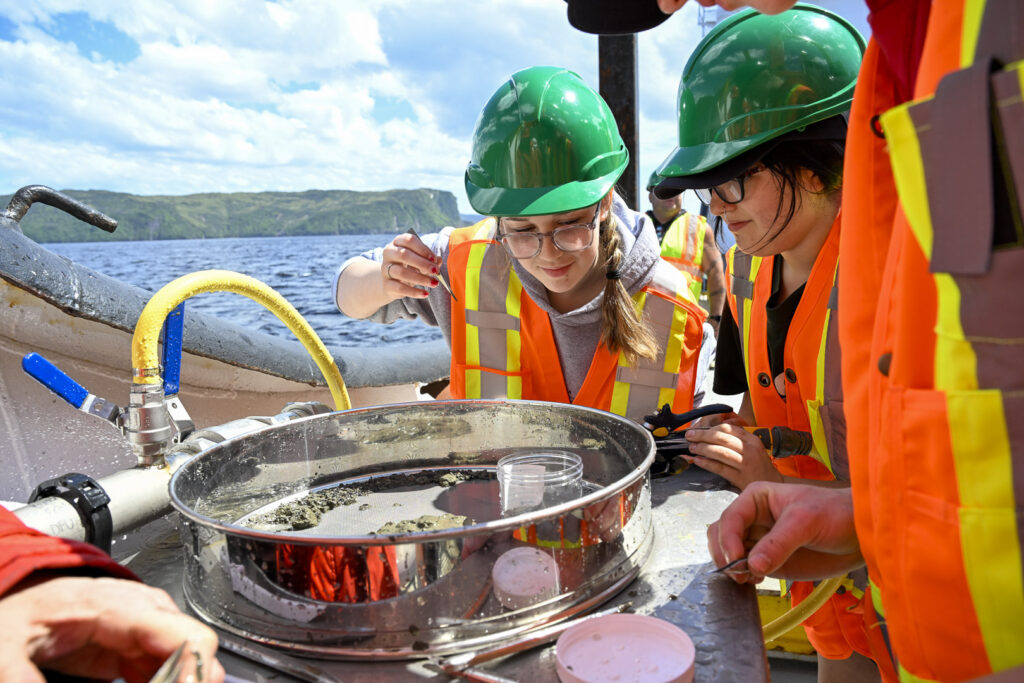
On the morning of day three, the energy in the galley is noticeably different. The youth know they are finally going to assist in some tests and experiments. They start by dropping a conductivity, temperature and depth sensor into the water and lowering it by hand. The next job is sifting through mud scooped from the ocean floor. The group pokes through the sludge, finding worms, shrimp, shells, and other organic matter. This activity draws Dj Hollett and Esmee Stride in like a magnet. When it’s time for lunch, the two don’t budge. I remind them to put on sunscreen or cover their necks, but get brushed off with a giggle.
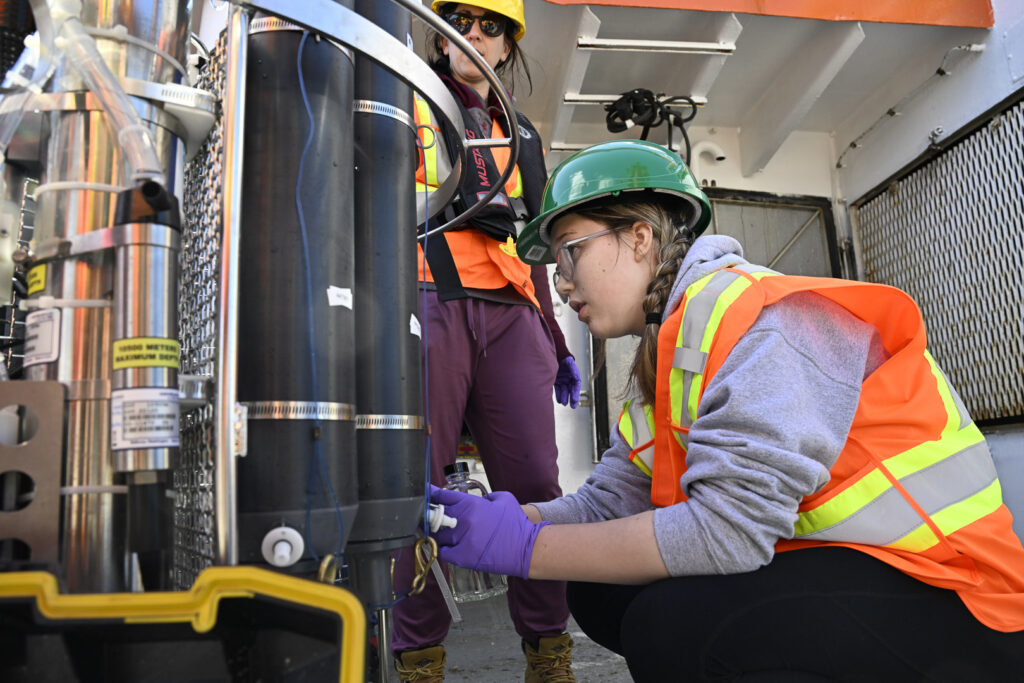
After lunch, the youth help load bottles of water samples from a Niskin water sampler. Their instructors then put mercury into the water sample to prepare it for observation. This is a careful process, and the youth are not allowed to handle the mercury. Julie Jeddore reflects that being part of the process makes her feel like a ‘mad scientist.’
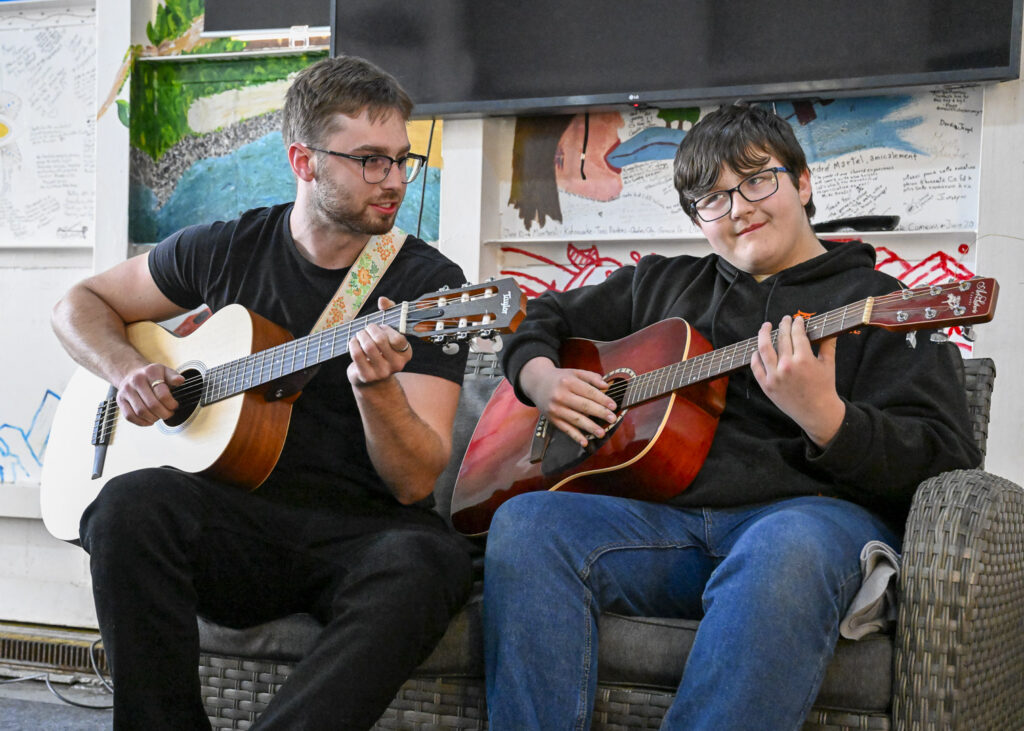
That night I connect with youth participant James Kendell over our shared love of rock music. We get to work practicing the song “Smells Like Teen Spirit” by Nirvana for the evening’s talent show. After around 15 minutes of practice, it’s showtime. We kick off the talent show with James’s first ever live performance, which goes very well. Afterwards, we celebrate with a fist bump while he whispers, “That was so perfect.” Being part of such a special moment for this young man is a highlight for me. After all, that’s what this expedition is all about.
Day four brings more opportunities for marine science and ship life. The youth work with CTDs, sift through mud, and gather water samples. The wind prevents us from dropping a hydrophone in search of whale sounds, so we settle for recording whistles and voices on the ship.
The Audubon Society has provided binoculars for the youth to scan the fjords for seabirds. Gulls are the main birds spotted around the ship, but a bald eagle is spotted in the distance on a rockface by a select few with keen eyes. Understanding birds as ‘nature’s indicator of a healthy ecosystem’ inspires the youth to keep a watchful eye on their flying friends.
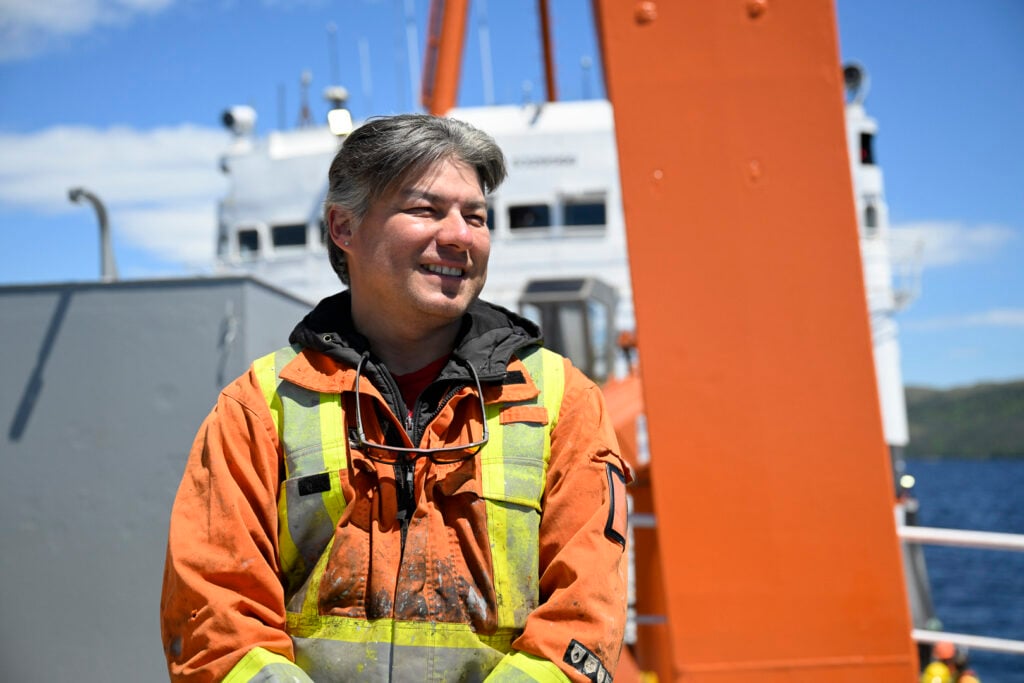
Two Mi’kmaq crew members who work on the Polar Prince take the time to speak to the group about their career paths. The first is Bryson Syliboy, a Mi’kmaq two-spirit person from Sipekne’katik First Nation. He is a deckhand with 24 years of experience on ships and is currently working his way up to becoming a captain. Syliboy is enthusiastic in sharing his experiences of adversity and resilience.
“A lot of people come to sea to find themselves, and a lot of times the person they find is who they want to be,” Syliboy says.
Hailing from Miawpukek First Nation himself, Faron Joe shares a deep connection with the youth — he is cousin to a few of them. He agrees with Syliboy, saying his experience on ships has mainly consisted of being the only Indigenous person. He speaks highly of the Miawpukek Horizon program, which has become a ‘presence’ in the community, allowing him to work with people both from his home community and others along the way. Faron encourages the youth to try their hand at every possibility and opportunity provided for them.
“Being out here, doing what you are doing, might just trigger something in you. You should follow that, whatever it may be.”
As we prepare to depart on the last day, I pause to speak with the youth about their experiences. Each one mentions a different aspect of the voyage that they will carry with them, whether that be mud-sifting, water testing, oceanography or deckhand work. Some also mention appreciating the shared words of those who presented knowledge, teachings, and inspiration. Without exception, each and every youth note that they are coming away from this experience enthusiastic about marine conservation.
In the words of James Kendell, “Being able to actually see the animals and coral with the underwater camera makes me feel like I need to do what I can to help protect it.”
Environment
How the Sahtuto’ine Dene of Délı̨nę created the Tsá Tué Biosphere Reserve, the world’s first such UNESCO site managed by an Indigenous community
Places
Five Mi’kmaq communities are leading the protection of a sacred site by creating an Indigenous Protected and Conserved Area, while also restoring connections between the lands, waters and people of Unama’ki
Places
Cinq communautés mi’kmaq prennent en charge la protection d’un site sacré en créant une aire protégée et conservée autochtone, rétablissant ce faisant les liens qui unissent les terres, les eaux et les peuples d’Unama’ki
Science & Tech
Celebrating Canadian Innovation Week 2023 by spotlighting the people and organizations designing a better future