
Wildlife
Do not disturb: Practicing ethical wildlife photography
Wildlife photographers on the thrill of the chase — and the importance of setting ethical guidelines
- 2849 words
- 12 minutes
Wildlife
“Winter has a way of softening the forest”
Snow absorbs sound. Wind drifts through bare branches. Even the smallest movement seems to disappear into the stillness. In places like Northern Ontario, the landscape grows quieter than most people realize.
And the wildlife listens.
Long before we see them, animals have already heard us. The distant hum of an engine, the crack of a branch, even the rhythm of footsteps can ripple through the woods and send the wild into hiding.
But when the forest grows quiet enough, its hidden inhabitants begin to appear.
Patricia Homonylo knows this patience well.
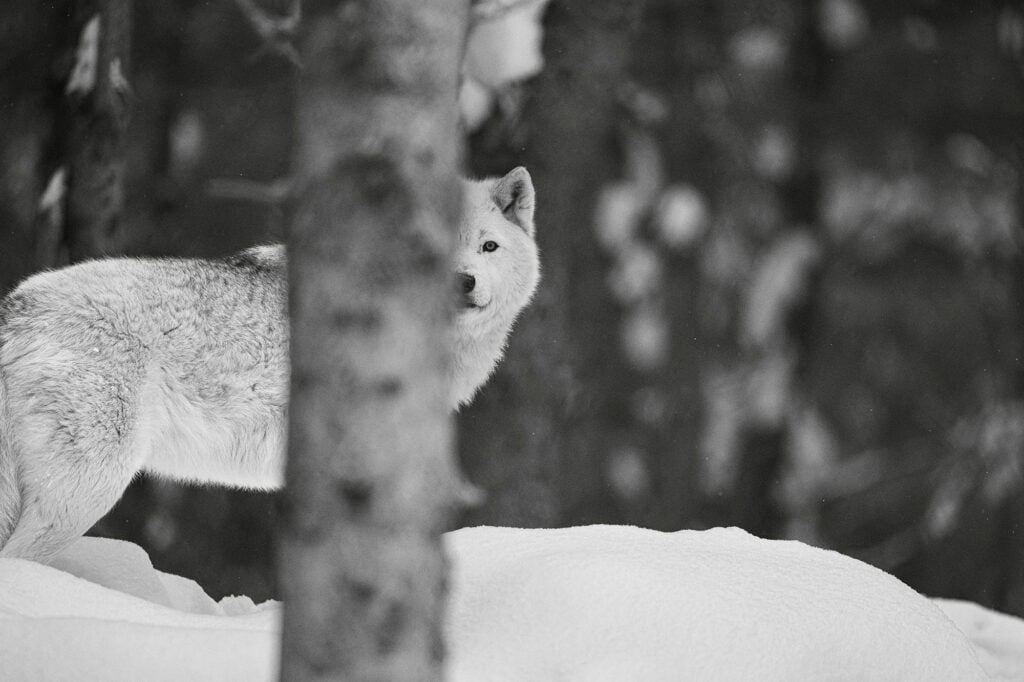
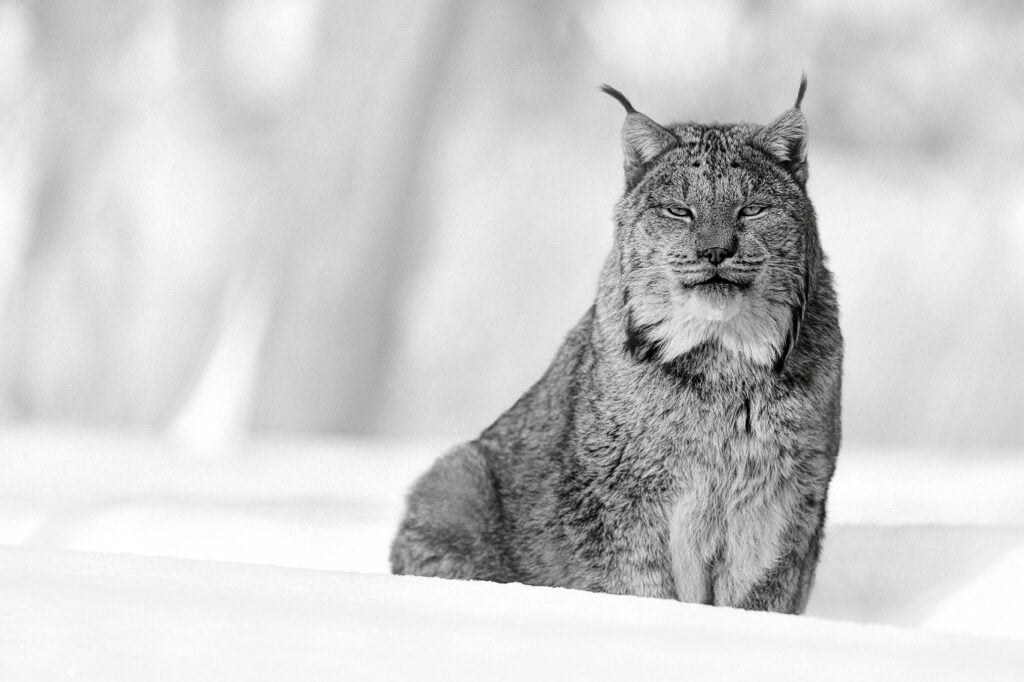
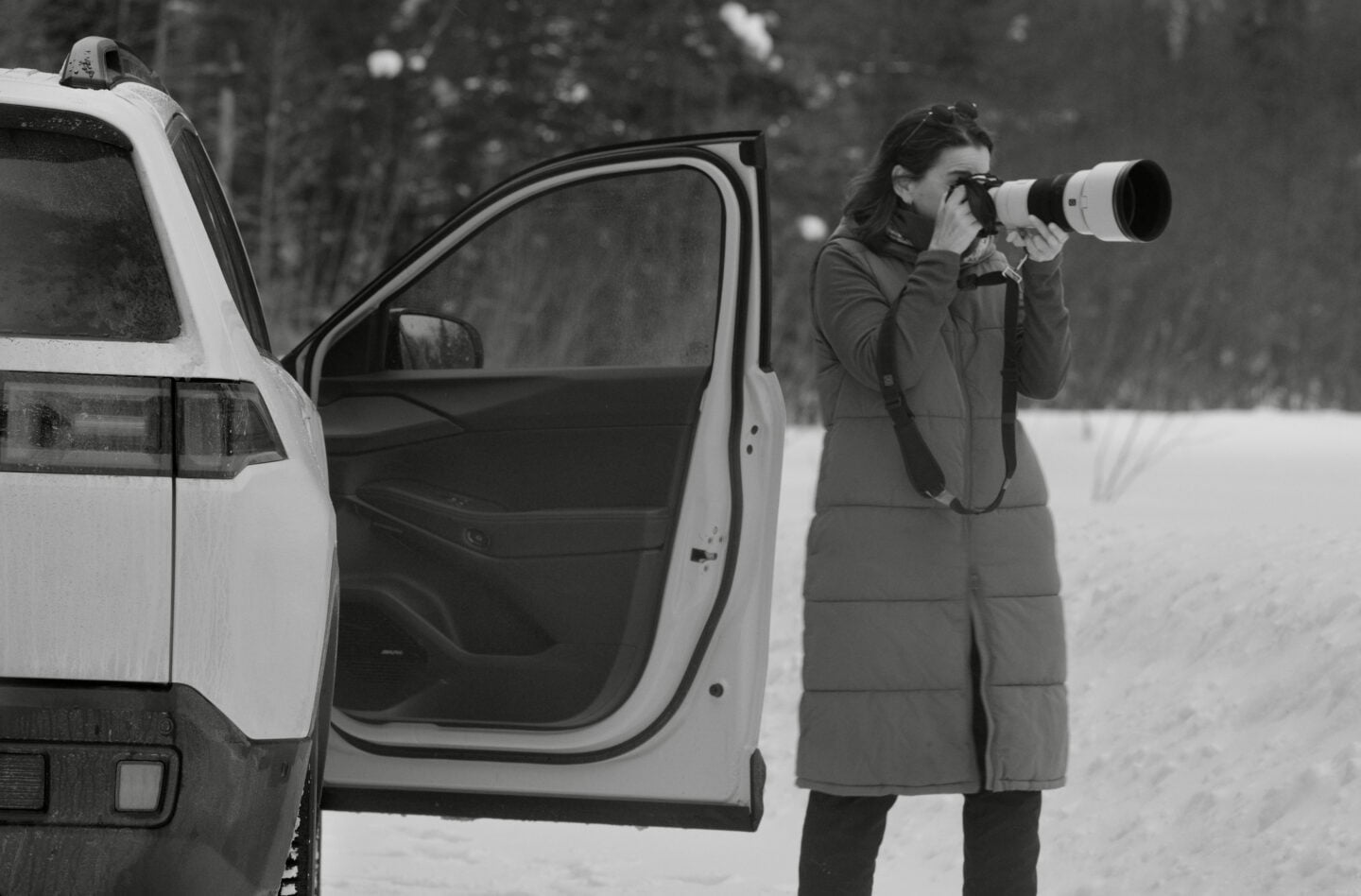
A conservation photographer based in Toronto, she has spent years documenting Canada’s wildlife, in places where encounters are never guaranteed. The forest is different before the world wakes up. It’s more quiet, more honest, more itself.
On this winter morning, she left Toronto before dawn. She favours the ambience provided by early morning light, and the solitude she experiences while witnessing wildlife emerging. Nature awakes long before we do.
Moving slowly through the forest, the Jeep® Cherokee Hybrid slipped into electric mode. Travelling through the snow-covered landscape with little more than its quiet sound, the vehicle had become part of it.
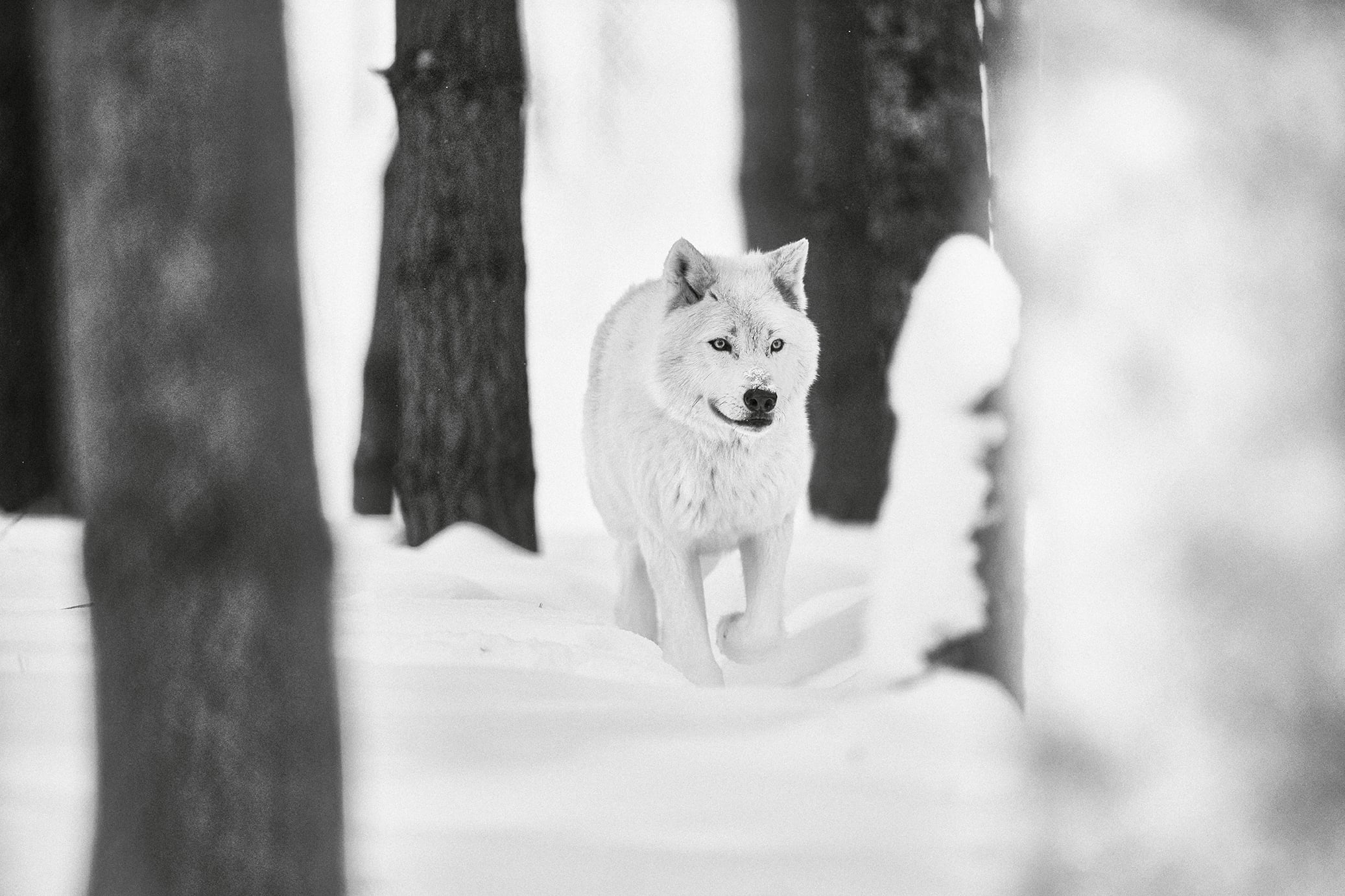
Homonylo’s strong adherence to ethical photography practice means observing without interfering: keeping a respectful distance, no use of calls that alter natural behaviour.
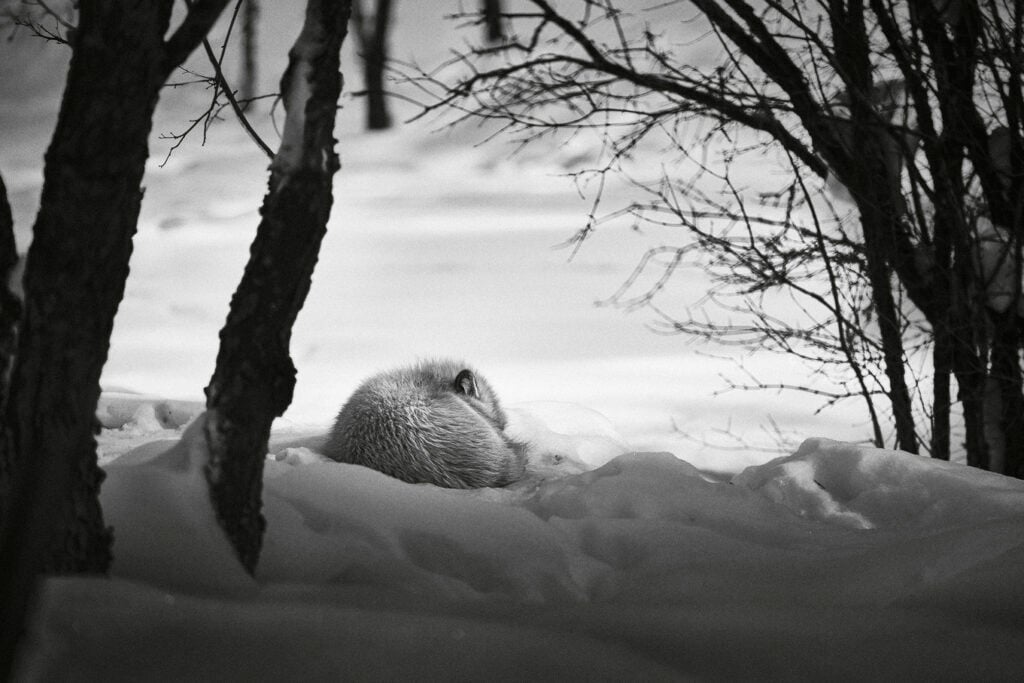
Further into the forest, where the trail gives way to silence, a small shape rested against the snow. At first, it appeared to be nothing more than a soft mound against the white landscape.
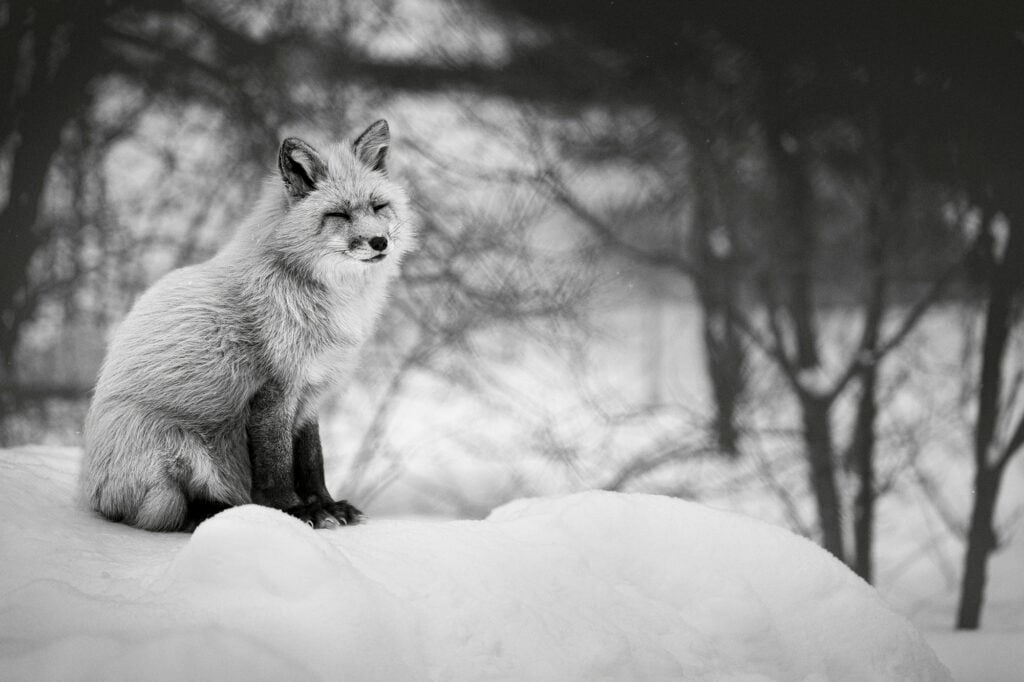
But through Homonylo’s lens, the form revealed itself: a red fox curled tightly into the snow, its tail wrapped around its body, its breath rising gently in the cold air.
The fox slept undisturbed.
Homonylo’s images are more than visual storytelling; they are a quiet act of conservation.
Later, near the edge of a frozen pool of water, another quiet presence appeared.
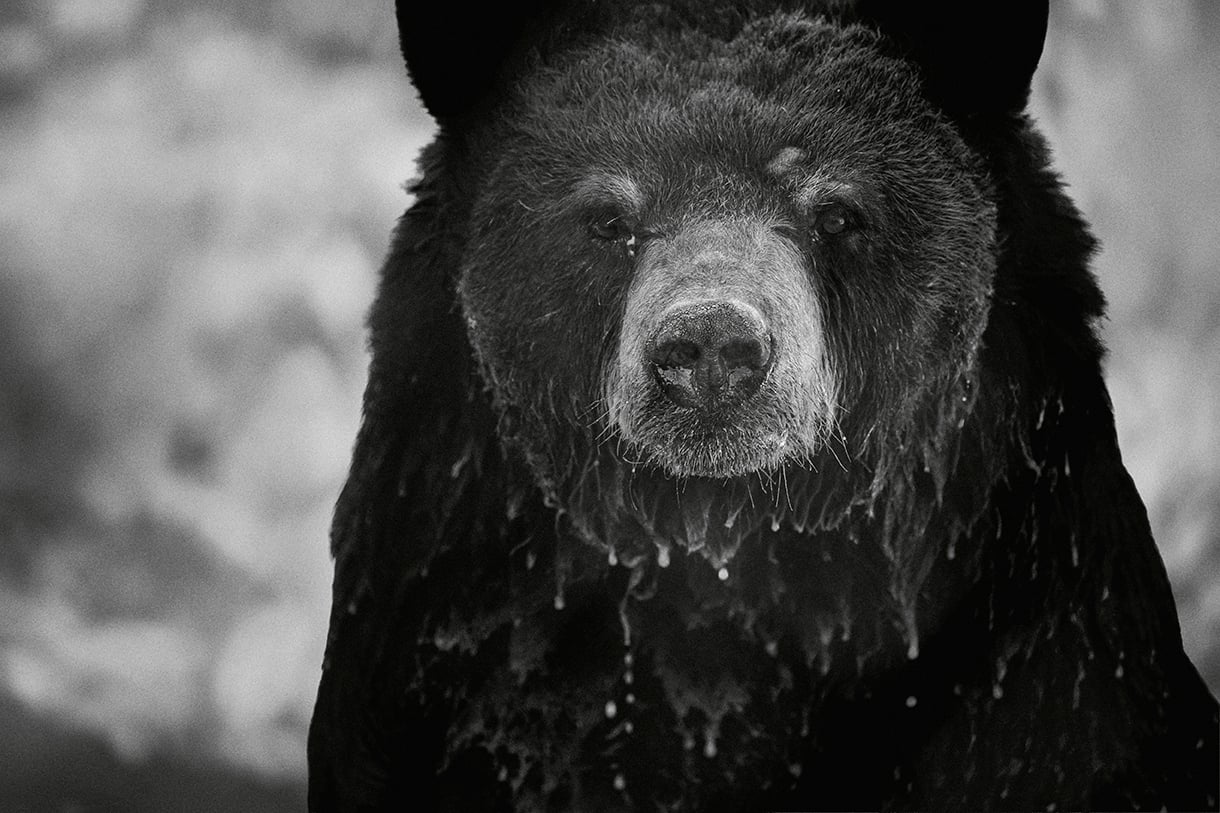
A black bear stepped carefully to the water’s edge and lowered its head to drink.
Homonylo raised her camera.
The shutter clicked.
The bear lifted its head once, then returned to the water. Unhurried, undisturbed.
The forest remained still.
Wildlife
Wildlife photographers on the thrill of the chase — and the importance of setting ethical guidelines
Science & Tech
A sound artist listens for quiet in Grasslands National Park
Wildlife
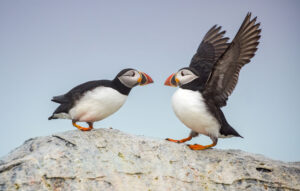
Canadian Geographic is pleased to honour 14 photographers for their outstanding images of Canadian wildlife
Wildlife
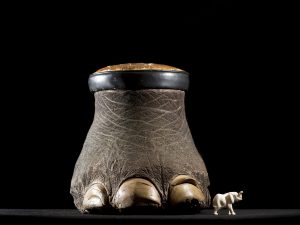
An estimated annual $175-billion business, the illegal trade in wildlife is the world’s fourth-largest criminal enterprise. It stands to radically alter the animal kingdom.