Travel

How to prepare for wildfire risk on your Canadian vacation

Smoky air, closed roads, and evacuations are on the rise, but awareness and adaptability can see you through

  • Jun 26, 2026
  • 1,517 words
  • 7 minutes
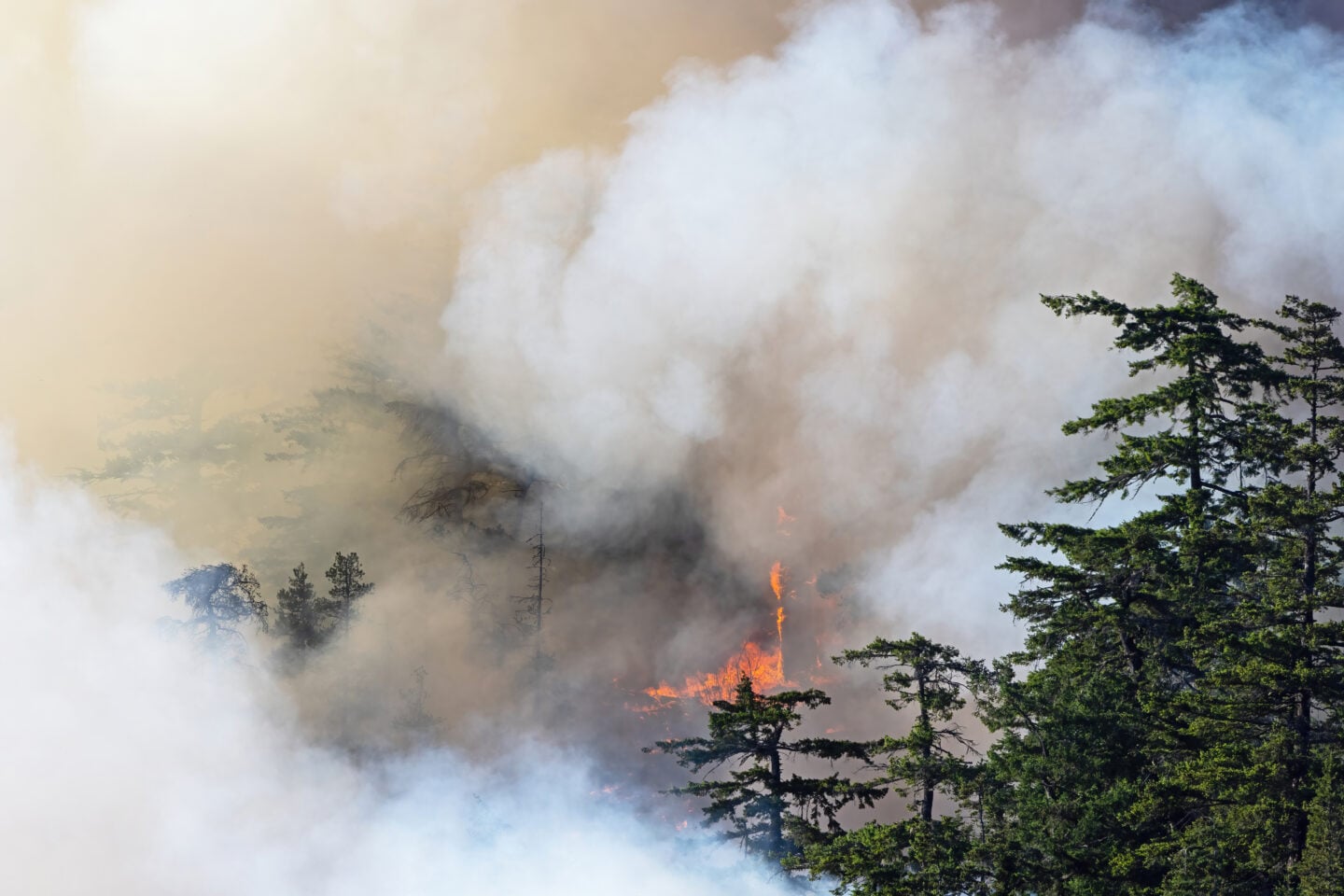
A wildfire burns near Squamish, B.C. (Photo: Sébastien Nadeau/Can Geo Photo Club)
Expand Image
Advertisement
Advertisement

The mountains encircling Jasper have stood for millennia. In July 2024, they watched as flames surged toward the town below.

Conditions had been building for weeks. A hot, dry summer pushed the fire danger rating to extreme by July 10. Just after 7 p.m. on July 22, three fires ignited near the townsite. Within hours, officials scrambled to evacuate more than 20,000 people from Jasper—clearing the townsite, campgrounds and backcountry as conditions rapidly deteriorated. By the time the fire was contained, roughly 30 per cent of the town’s buildings had been lost and more than 30,000 hectares of the Athabasca Valley had been scorched.

What happened in Jasper was shattering. It’s also just one version of a familiar story playing out across the country.

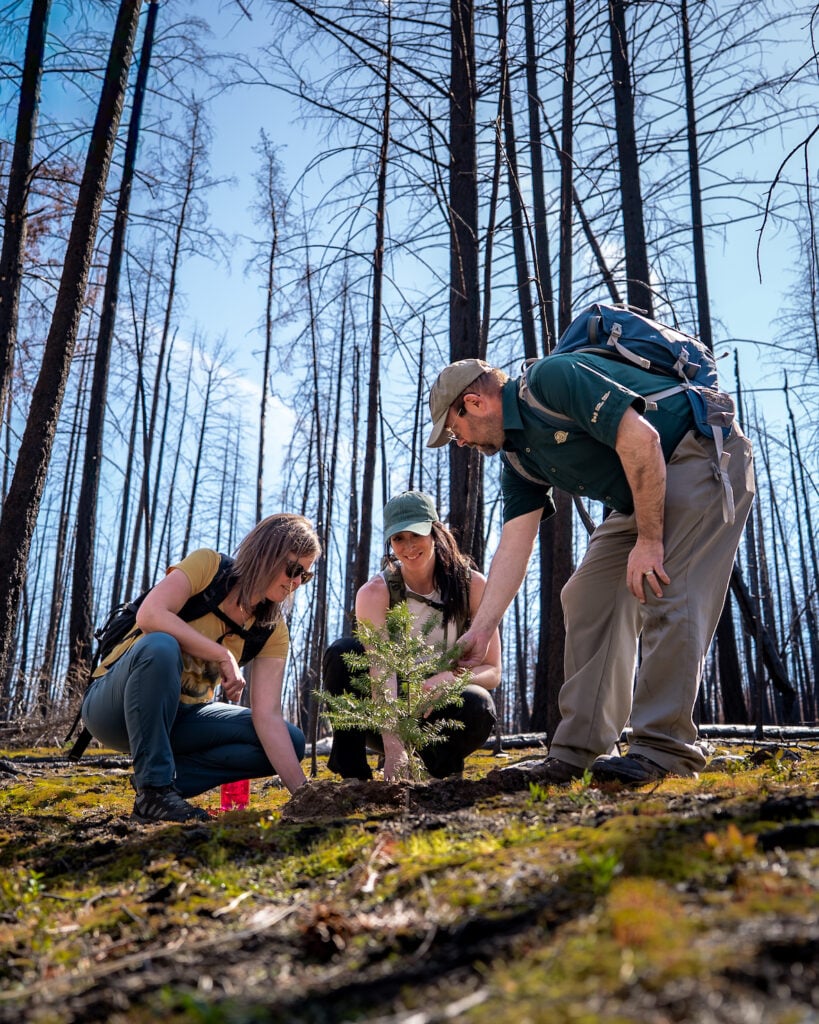
Visitors plant a Douglas fir tree during the Healing Through Fire walk, which offers guests the opportunity to learn about the role and history of fire in Jasper. (Photo: Travel Alberta/Silver Productions)
Expand Image

The year before the Jasper fire, 2023, was the worst wildfire season ever recorded in Canada as measured by area burned, with 15 million hectares consumed. British Columbia sat under a provincial state of emergency for 28 days, with campground closures and tens of thousands of people forced to leave, upending travel plans across the province. In 2025, the country recorded its second-worst season, with more than 8 million hectares burned and fires affecting nearly every province and territory.

Even as wildfire risk grows, millions of Canadians and international visitors head into our forests, mountains and grasslands each summer without knowing whether smoke, road closures or an evacuation order might be waiting for them.

From May to October, wildfires now erupt with growing unpredictability across Canada. Their effects extend far beyond the fire line. Cancelled flights, closed highways and air quality warnings can reshape travel plans, even for those nowhere near an active burn.

How wildfires start and move quickly

Just over half of all wildfires in Canada are ignited by people, as reported by Canada Wildfire, one of the country’s leading coalitions of wildland fire experts. 

“Recreation-caused fires are one of the larger human-caused issues that we have,” says Kevin Hunt, a wildfire prevention officer with Alberta Wildfire. 

Campfires left smouldering are among the most common culprits. Cigarettes, chainsaw sparks, and even hot mufflers brushing dry grass can all spark a blaze, as can downed power lines.

Lightning accounts for just under half of all ignitions but drives more than 81 per cent of the total area burned in Canada, according to Canada Wildfire. Many of these fires begin in remote areas where they can burn undetected. When storms roll through, multiple strikes can ignite several fires at once, stretching response efforts.

Fire has long been a natural force in many Canadian ecosystems, and for generations, Indigenous communities have used it to tend the land, support plant growth and improve forage for wildlife.

Fire clears dense growth and creates space for new life, renewing habitat for plants, animals and insects. Canada’s boreal forests, which cover more of the country than any other biome, have evolved alongside fire and in many cases depend on it to release nutrients into the soil. 
Keep perspective, plan ahead

The statistics from recent seasons can make heading outdoors feel uncertain. But the full picture is more nuanced.

“We’ve seen years with remote wildfire activity that posed little risk to communities or travellers, and years where impacts were widespread across entire provinces,” says Kristen Learned of Destination British Columbia.

Large, disruptive fires tend to dominate headlines, but they remain the exception rather than the rule.

“They’re rare,” says Jen Beverly, associate professor of wildland fire at the University of Alberta. “But they’re the ones that you see on the news.”

The data reflects that imbalance. In 2023, Alberta recorded more than 1,000 fires, yet roughly 96 per cent of the total area burned was driven by just 36 of them.

“The fires that escape suppression efforts and cause the impacts are a fairly small percentage,” Beverly notes.

Those impacts are often localized. While one region contends with smoke or closures, another destination a few hours away may remain open, clear and ready for visitors. 

Adapting to that variability means factoring risk into your plans, not ignoring it.

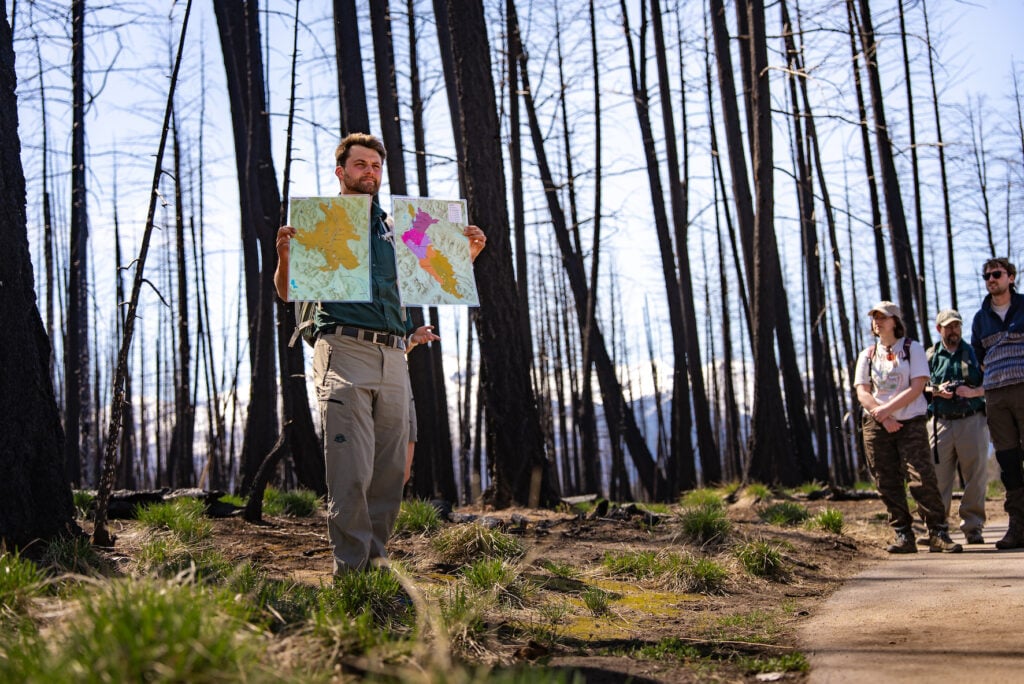
Parks Canada staff help manage and protect wildlife in national parks through active ecosystem management, population monitoring, and visitor education, as shown here. (Photo: Travel Alberta/Silver Productions)
Expand Image
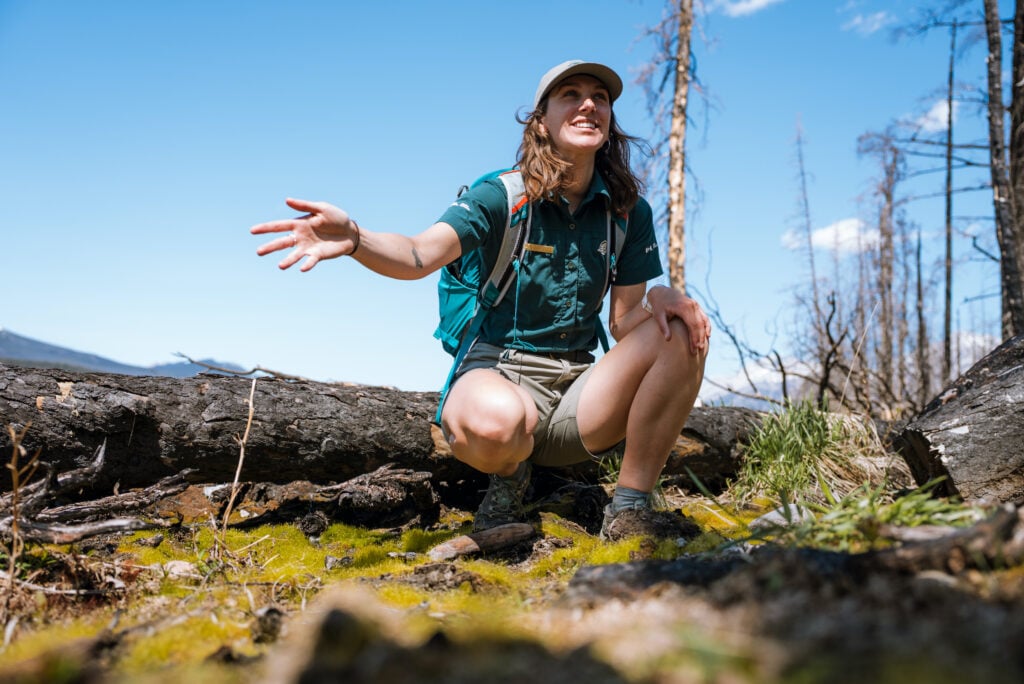
A Parks Canada representative shares information on wildlife regeneration along the Lake Annette Loop in Jasper National Park, Alta. (Photo: Travel Alberta/Silver Productions)
Expand Image

When wildfire affects your plans

Preparing for wildfires is now part of trip planning in many parts of Canada.

No matter how a fire starts, its path can shift quickly. Each situation is shaped by terrain, weather and what lies in its path, from highways to backcountry lodges. A fire that appears stable in the morning can change direction within hours as winds rise.

“There may be situations where a nearby wildfire has been monitored for some time without directly impacting visitors, but changing winds or weather conditions suddenly increase risk and require an evacuation. In other cases, such as a lightning-caused wildfire during periods of high winds and dry conditions, fire growth and resulting impacts can happen more quickly,” says Learned. 

What travellers can do is stay informed. Before departing, check the provincial or territorial wildfire service website, road conditions and emergency alerts for your destination. It is also worth contacting tour operators, outfitters and accommodations directly to confirm conditions and cancellation policies. In national and provincial parks, current fire information is posted at park entrances and updated online.

When wildfires disrupt travel plans, visitor information centres, both in person and online, can help you quickly recalibrate. Staff can point you toward alternative routes or destinations, assist with rebooking and provide you with a clearer read on conditions than an internet search will. Some regions offer additional tools. Yukon, for example, offers travellers a digital safety guide that includes emergency contacts for real-time updates on emergencies, road closures and seasonal conditions.

According to Parks Canada, when a wildfire is detected, fire teams respond based on three priorities. First is protecting the lives and safety of people. Second is stabilizing the incident. Third is protecting property and the environment.

If an evacuation is ordered, follow all instructions from local authorities and monitor official municipal, provincial and federal channels. Leaving early not only reduces congestion and delays, it also clears the way for residents and emergency crews working to protect homes, businesses and livelihoods.

Backcountry readiness

During the Jasper wildfire, Parks Canada evacuated more than 200 backcountry campers caught off guard by how fast conditions deteriorated. Some were rescued by helicopters, others by boat. Parks staff and wildfire agencies work together to locate people in remote areas and bring them out safely.

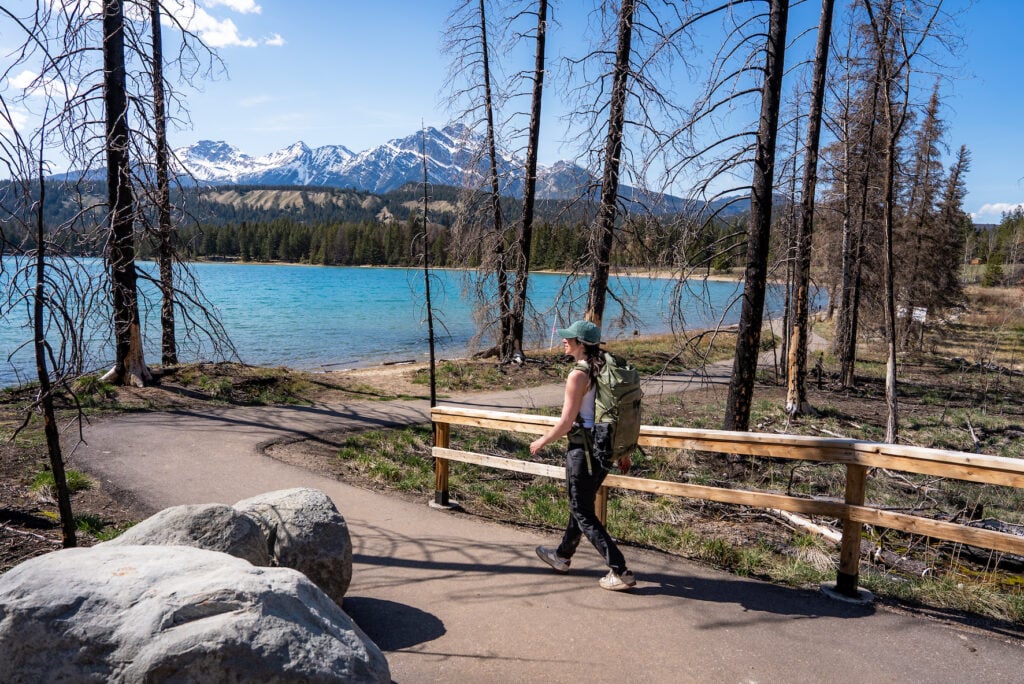
A tour member walks the Lake Annette Loop, which still bears the scars of the 2024 Jasper Wildfire. (Photo: Travel Alberta/Silver Productions)
Expand Image

Cell service isn’t guaranteed. “Not just in the backcountry, but there are several highways in Canada that have no cell coverage and high fire exposure,” warns Jen Beverly, the wildfire professor. 

Carrying a satellite communicator adds a layer of security. Taking every opportunity to top up your fuel tank matters, too. If conditions change quickly, there may be little time to stop.

Travelling with awareness

Wildfire season asks something different of travellers: to stay informed, remain flexible and recognize that conditions can change quickly. That’s not a reason to stay home.

In Jasper National Park, landscapes that burned in 2024 are already changing. As vegetation returns and sightlines open, they’re also revealing hidden terrain. For guides like Lisa Darrah of Rockaboo Mountain Adventures, that has meant rethinking where and how they work in newly exposed areas.

“It’s easy to see the trails now. There’s areas we’re going into we didn’t even know existed,” says Darrah. 

Another Jasper adventure company, Sundog Tours, now offers wildfire ecology tours, helping visitors better understand how fire shapes the land. Parks Canada is taking a similar approach with its Healing through Fire experience, a guided program that blends wildfire ecology, Indigenous knowledge and hands-on forest regeneration.

While wildfire is destructive and unpredictable, it also clears the way for something new. So does the decision to travel through Canada’s wildfire-prone areas, with your eyes open.

Fire is part of many Canadian ecosystems. Travelling through those landscapes means recognizing that reality and preparing for it. With the right information and a willingness to adapt, it’s still possible to move through these landscapes safely and responsibly.

Quick tips: Before you travel

Trip disruptions from wildfire activity aren’t always avoidable, but they’re often manageable. A little preparation before you leave goes a long way.

  • Check conditions, weather, wildfire activity and area advisories before departing and during your trip. Most provinces and territories maintain dedicated wildfire status pages, road condition sites and emergency alert portals where evacuation orders are posted in real time.
  • Download an emergency alert app such as Alertable and enable notifications for the regions you’re travelling through.
  • Share your travel plans with someone you trust. AdventureSmart offers a free online trip plan tool designed for outdoor travellers.
  • Book accommodations with flexible cancellation policies and keep alternate routes or destinations in mind.
  • Pack an N95 mask for smoke, keep your fuel tank topped up in remote areas and carry appropriate navigation tools and emergency supplies.
  • Be prepared for changing conditions and limited connectivity in remote areas.
  • Follow all fire bans, area restrictions and instructions from local authorities.
Advertisement

Help us tell Canada’s story

You can support Canadian Geographic in 3 ways:

Related Content

People & Culture

The cowboy exclaims: The ballad of an ageing vaquero and his troubled horse, Bunny

The ultimate goal of vaquero horsemanship is to produce a “finished” horse: an exceptionally responsive animal that is a true partner to its rider

  • 2524 words
  • 11 minutes

People & Culture

Rekindling hope: Kanaka Bar’s climate evacuees

As wildfire seasons worsen, residents of British Columbia’s southern interior have been repeatedly evacuated. They may be climate evacuees, but this hasn’t stopped them finding solutions, Canadian Geographic writer David Geselbracht reports in his new book Climate Hope.

  • 6869 words
  • 28 minutes

Travel

A first-timer’s journey through Banff and Jasper

In the aftermath of the Jasper Wildfires, this five-day journey through iconic Alberta towns reveals a region rebuilding and ready to welcome back travellers

  • 2430 words
  • 10 minutes

Environment

Opinion: Environmental racism and Canada’s wildfires

Ocean Bridge Ambassadors address the burning injustice of the climate crisis on marginalized communities

  • 1036 words
  • 5 minutes
Advertisement
Advertisement