Exploration
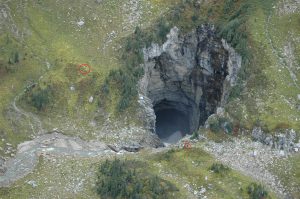
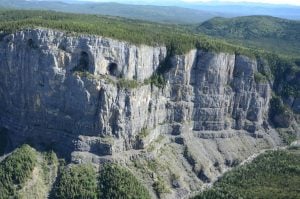
Canadian team confirms presence of huge unexplored cave in British Columbia
Cave in Wells Gray Provincial Park described as “about as big as they come in Canada”
- 1295 words
- 6 minutes
Exploration
Pollack, an underwater archaeologist and cave explorer with a long history of volunteer service to the Royal Canadian Geographical Society, passed away Oct. 14 at the age of 76
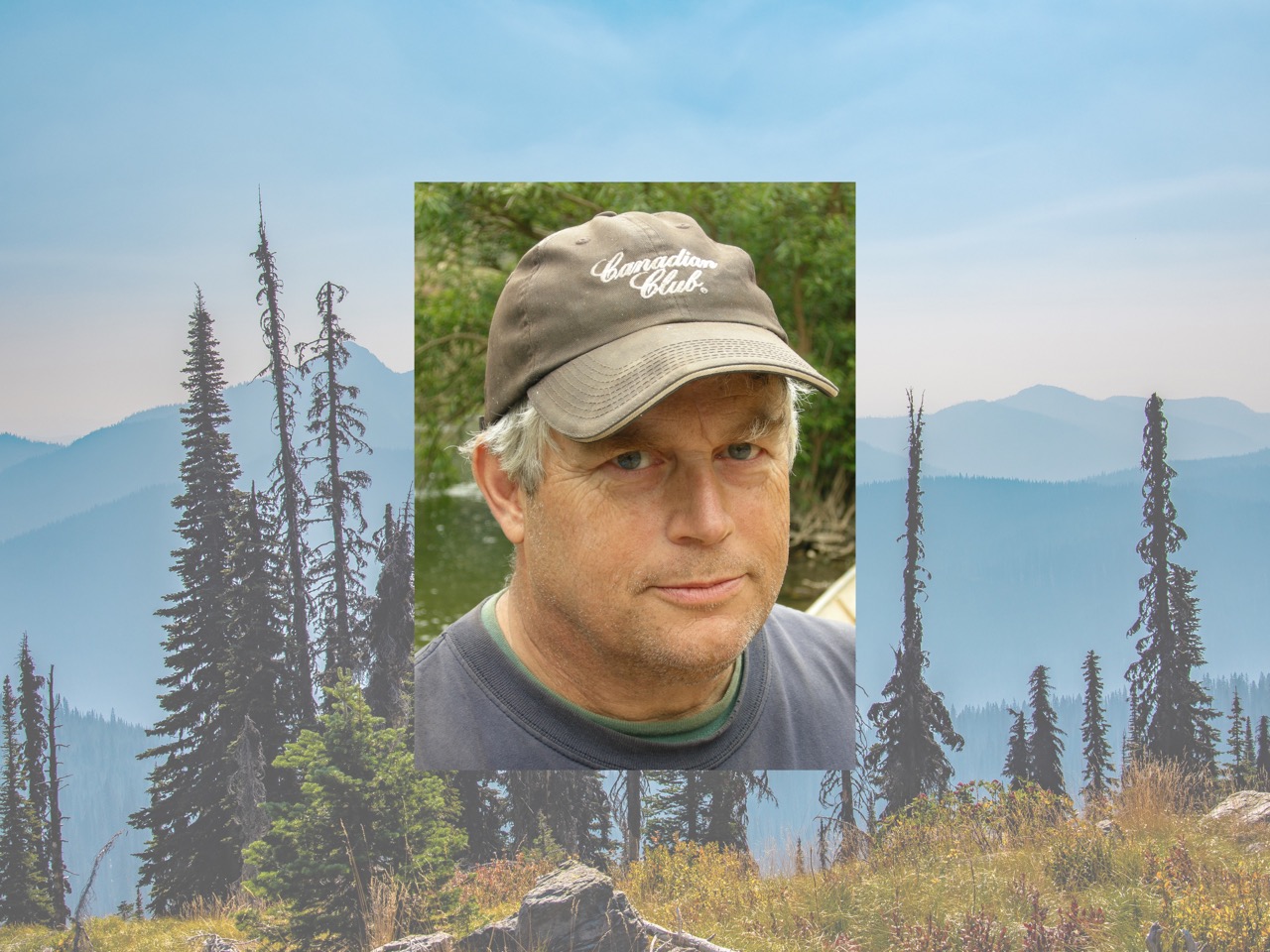
The global exploration community is celebrating the life and legacy of John Pollack, one of Canada’s most trailblazing explorers and a “natural leader” who made an indelible impact upon the field. Pollack passed away Oct. 14 at the age of 76 after a short illness.
Born at Fort Benning, Georgia, Pollack immigrated to Canada in the 1970s following a career with the US Army. He worked as a research forester with the B.C. Forest Service in Prince Rupert, Smithers and Nelson, a role he described as “the best job in the world.” A dedicated cave explorer, he took part in expeditions across France, Greece, Canada, the United States, Borneo, and Southeast Asia.
While living near the Kootenay Lakes, he developed an interest in shipwrecks and underwater archaeology, and applied the mapping skills acquired over the course of his military and forestry career to projects in Alaska, Vietnam, Panama, Yukon, and B.C.. Some of these projects led to the discovery of famous shipwrecks, including the City of Ainsworth in Kootenay Lake, the A.J. Goddard in Lake Laberge, and the Columbian on the Yukon River. Pollack advanced knowledge of Canada’s — and the world’s — geography through mapping some of the largest caves on the planet, pioneering novel surveying technologies. In 2020, Canadian Geographic magazine named him one of its top 90 Canadian explorers of all time. The same year, he was awarded the Stefansson Medal by the Explorers Club’s Canadian chapter.
His most recent work focused on strip karst exploration and cave climate studies, and on western Canadian stern-wheel steamboat history.
Beyond his boundless curiosity, colleagues remember Pollack as a “highly competent, hardworking, dedicated” leader who was deeply committed to giving back to the exploration field. He served for many years as a Governor of the Royal Canadian Geographical Society, and later, as chair and past chair of the board’s expeditions committee, which awards annual grants to exploration projects in Canada.
He “lived and breathed the core mission” of the Society, says Zac Robinson, a current Governor who served on the committee with Pollack. “He was always the consummate professional, always displaying an obvious thoughtfulness in committee deliberations. He had a wonderful knack [for making you] feel like you are a part of something special.”
Pollack also served as chair of the Explorers Club’s Canadian chapter, effectively bridging the gap between the chapter and the club’s New York City headquarters. “He was a pleasure to work with; always calm, cool, collected and in control. His favourite expression was, ‘Everyone take a deep breath, and count to 10,’” recalls fellow chapter member Jason Schoonover. “It was under his watch that the chapter stopped drifting, raised sails and struck out on a fresh, new heading.”
Pollack was posthumously awarded the RCGS’ Charles Camsell Medal, which recognizes exemplary service to the Society.
In one of his final emails to his expeditions committee colleagues, he wrote, “Hopefully we’ll meet again. I’ll push onward and try to find a good camp out of the wind and near clear water, and get a brew happening.”
A leader in every sense of the word.
Exploration
Cave in Wells Gray Provincial Park described as “about as big as they come in Canada”
People & Culture
Remembering the world’s most beloved primatologist, whose groundbreaking research and tireless advocacy changed the way the world understands nature
Exploration
2022 is the International Year of Caves and Karst. Here’s why you should care about the hidden worlds beneath our feet.

People & Culture
Remembering Louie Kamookak, a new Explorer-in-Residence and other highlights from the 89th Annual College of Fellows Dinner